
Review · BOSTON MUSEUM AND ATTRACTION TICKETS
Boston: WNDR Museum Entry Ticket
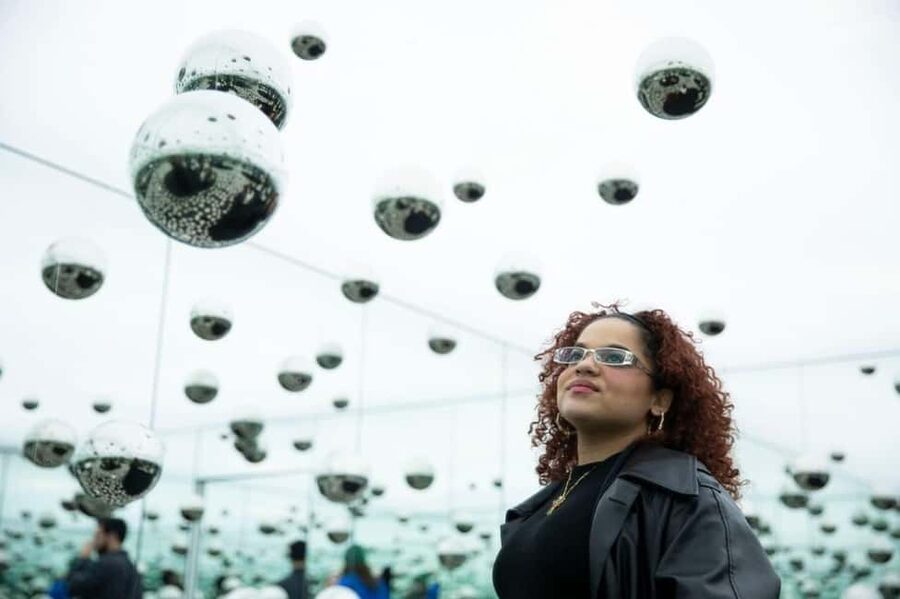
The WNDR Museum turns art into something you do, not just something you look at. Inside, your movement, touch, and presence help shape the experience through interactive installations, light works, sound, augmented reality, and shared pieces that change as people take part.
I like the freedom to explore at your own pace, and I like the way the museum gives you several ways to engage rather than asking you to stand quietly in front of objects. The main consideration is time: at $33 for about one hour, this is best for visitors who enjoy modern, hands-on art, not those seeking a traditional museum with long historical displays.
Key points to know before you go

- Your actions affect the art: Several installations respond to movement, touch, or your presence.
- Plan on about one hour: The visit is compact, making it easy to fit into a busy Boston day.
- Expect light, sound, and technology: The experience uses visual displays, soundscapes, augmented reality, and shared art.
- There is no guided tour: Admission includes entry, with an English-speaking host or greeter available.
- You can leave something behind: The visit ends in a space where you can add your own mark.
- The ticket costs $33: Free cancellation is available up to 24 hours before the visit, and wheelchair access is provided.
What kind of museum is WNDR?
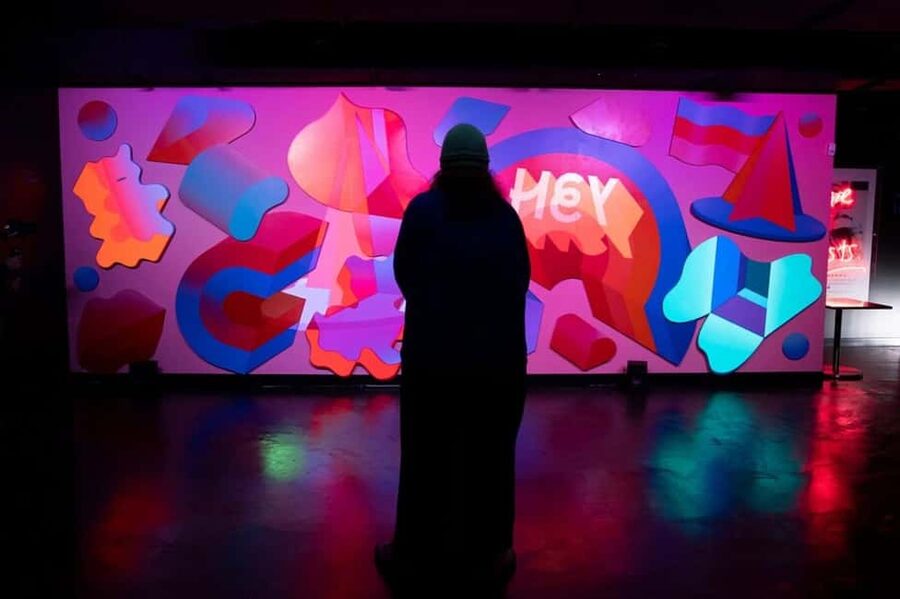
WNDR is built around participation. Instead of presenting art as something finished and fixed, it asks you to help complete the experience. Your movements, touch, and presence may change what you see or hear, so the visit feels more like a series of encounters than a standard gallery walk.
That makes this a good pick if you enjoy art that is playful, sensory, and technology-driven. You do not need a background in contemporary art to understand the basic appeal. The point is to notice what happens when you interact with each installation and to see how the room responds.
I would not book this expecting paintings, sculpture labels, or a detailed lesson in art history. The supplied information does not identify particular artists or explain a formal route through the museum. Instead, the appeal comes from the changing effects, the chance to participate, and the freedom to interpret what you see for yourself.
The museum also suits people with different levels of enthusiasm. An art fan can think about how the works use technology, while a curious first-time visitor can simply enjoy the colors, sounds, and unusual settings. Children and adults may respond differently to the same piece, which is part of the fun.
More museum and attraction tickets in Boston
- Boston Tea Party Ships and Museum Admission
★ 4.5 · 2,512 reviews - Boston: View Boston Observation Deck Entry Ticket
★ 4.7 · 1,451 reviews - Boston: Hop-On, Hop-Off 20+ Stops Trolley Ticket
★ 4.2 · 607 reviews
Entering the museum and getting oriented
Your admission ticket covers entry to WNDR Museum Boston. The booking includes an English-speaking host or greeter, but it does not include a guide or a guided explanation of the exhibits. That distinction matters. You receive access to the experience, but you should expect to make your own way through it.
The ticket includes skip-the-ticket-line access, which can be useful when you have a tightly planned day in Boston. It does not mean the entire visit is timed down to the minute in the information provided, so check the selected time and current instructions when booking.
Once inside, give yourself a moment to adjust to the format. This is not a place where you rush from object to object while reading long panels. Look for signs that an installation wants you to move, touch, listen, or take part. If something reacts to your presence, a small change in position may reveal more than simply standing still.
Because the full visit lasts about an hour, you will not need to dedicate half a day. I see that as a strength for many Boston itineraries. You can place it between major sights, use it during a wet-weather spell, or book a morning, afternoon, or evening session.
Light displays that make you part of the scene
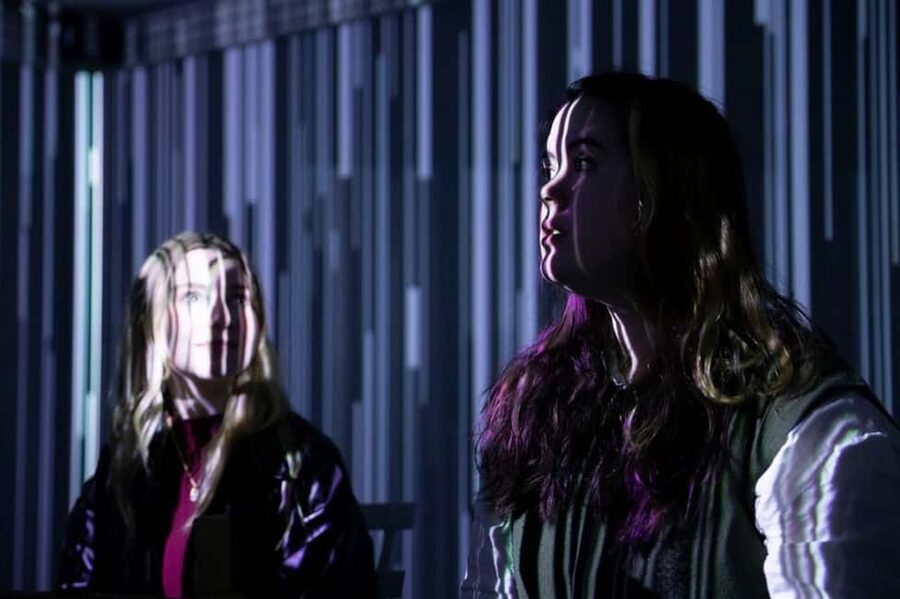
The light works are likely to form the most immediately striking part of the visit. The museum uses changing light displays to turn rooms and objects into active visual experiences. Rather than viewing a light piece from one fixed spot, you may find that moving around changes how it looks from different angles.
This is where the museum’s technology-first approach becomes clear. The light is not simply decoration added to a gallery. It helps create the artwork itself, especially when connected to motion or touch.
Take your time with these pieces. Since the visit is short, you may feel pressure to keep moving, but interactive art often rewards a second look. Watch what happens when you shift position. Notice whether the effect changes when you approach, step away, or interact with a nearby feature.
The drawback is that visual effects can be personal. One person may find the light displays playful and absorbing, while another may prefer art with a clearer subject or story. If you like quiet galleries and natural materials, the electronic focus may not suit you as well.
Still, I like this part of the museum because it makes the difference between seeing and taking part easy to understand. You are not just looking at a glowing object. You are testing how the work behaves around you.
Soundscapes and the role of your senses
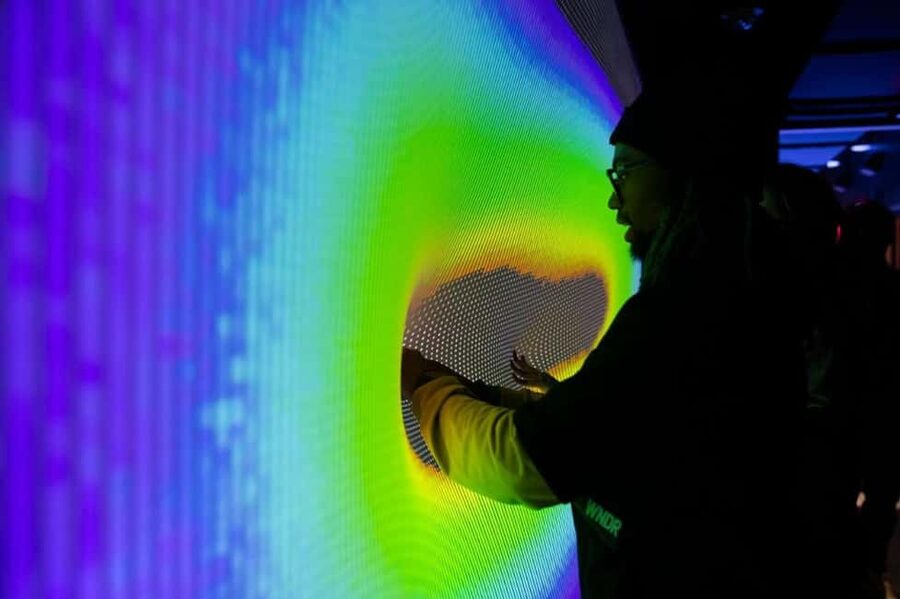
Sound is another important part of the experience. The museum includes multisensory installations and soundscapes that add an audio layer to the visual work. This means you should pay attention with your ears as well as your eyes.
Sound can change how a room feels, even when the visual design stays the same. It may guide your attention, set a mood, or make an installation feel more active. You might find that a piece seems simple at first and becomes more interesting once you notice the relationship between its sound and light.
The museum is not presented as a concert or a performance with a fixed schedule. Instead, sound forms part of the artworks you encounter as you move through the space. Since no detailed sequence is provided, I would keep your expectations open rather than looking for a particular song, performer, or timed show.
This sensory mix is useful for groups with different interests. One person can focus on the visual design while another listens for changes in the sound. It also gives you a reason to slow down instead of treating each installation as a photo stop.
More museums and galleries in Boston
- Museum of Fine Arts Boston General Admission Ticket
★ 4.5 · 106 reviews - Lexington & Concord 250th Birthday Tour with Concord Museum Entry
★ 4.5 · 83 reviews - Boston: Museum of Ice Cream Entry Ticket
★ 4.2 · 45 reviews - Salem Witch Tour from Boston by Train with Museum Tickets
★ 4.0 · 42 reviews
Augmented reality and shared art
Augmented reality adds another layer to the museum’s technology. The information confirms that you will encounter augmented reality experiences, though it does not specify the exact devices, software, or subjects involved. You can therefore expect technology to extend what you see, but you should not book this with one particular AR feature in mind.
The shared artworks are equally important. These pieces evolve through visitor participation, so the museum is not exactly the same from one visit to the next. Your contribution becomes part of a larger process, even if it is only one small action among many.
That changing quality gives the museum more life than a fixed display. It also means your visit depends partly on how you engage. If you move quickly from room to room, you may miss the point of a collaborative piece. If you stop to see how your actions affect the work, the experience becomes more personal.
I especially like this idea for repeat visits. The information notes that new installations are added during the year, so the museum may offer something different on a later trip. No schedule for those additions is supplied, so I would check the current offering if you are returning to Boston specifically for WNDR.
The final space and leaving your mark
The visit ends in a space designed for reflection and creativity. You can leave your own mark on the museum, which gives the experience a clear closing moment. After watching art respond to your presence, you get a chance to contribute something yourself.
This ending helps separate WNDR from a simple collection of digital effects. The museum wants you to think about participation, not just consumption. You arrive as an observer, interact with the installations, and finish by adding something of your own.
The exact method for leaving your mark is not specified, so I would avoid assuming that it involves a particular material, wall, screen, or writing station. The useful point is that participation continues to the end.
For some people, this final stop will be the most memorable part. For others, the light, sound, or AR elements will make the stronger impression. The museum gives you several kinds of interaction, which makes it easier to find one that suits you.
Is $33 fair for one hour?
The listed price is $33 per person. Since the usual duration is one hour, that is not a low-cost museum visit. You are paying for a compact experience built around technology and interaction rather than a large collection that could occupy an entire afternoon.
I would judge the value by your interest in the format. If you enjoy digital art, sensory installations, and spaces that encourage you to participate, the price may feel reasonable. You are paying for a designed experience, not just access to a room of objects.
If you compare WNDR with Boston’s larger historical and cultural museums, the calculation changes. A traditional museum may offer more material for the same amount of time or even longer. WNDR’s strength is not quantity. It is the chance to interact with art in a way that a conventional gallery usually does not allow.
The one written rating supplied for this activity is a 5 out of 5, with the short comment Awesome. The overall score shown for the activity is 3.7 based on three reviews. That is a small sample, so I would treat it as a useful signal rather than a firm verdict. The strongest praise points to an enjoyable experience, but the limited number of ratings cannot tell you how every type of visitor will respond.
The booking also offers reserve now and pay later, which helps if your Boston schedule is still taking shape. You can cancel up to 24 hours before the visit for a full refund under the stated policy. Those terms reduce the risk of booking a one-hour activity ahead of time.
Who will enjoy WNDR most?
I would recommend WNDR to you if you like:
- Interactive and technology-based art
- Light displays and sound-led experiences
- Augmented reality
- Creative activities that do not require a guide
- Short attractions that fit into a larger city itinerary
- Participating in shared or changing artworks
It may also work well for a mixed group. Someone who knows little about contemporary art can still respond to the effects, while an art-minded visitor can consider how technology changes the usual relationship between audience and artwork.
You may want to choose another Boston attraction if your main goal is local history, famous landmarks, or a long guided explanation. The ticket does not include a guide, and the supplied details do not promise a historical account of Boston or a named artist-led tour.
The one-hour length is helpful for families and busy schedules, but it can also feel brief if you like to linger. To get good value, use the time actively. Test the installations, listen carefully, and leave enough room for the final creative space.
Practical planning for a Boston day
WNDR is offered in the morning, afternoon, and evening, so you have some flexibility. A morning visit can start a day of sightseeing, while an evening booking can add a modern art stop after other attractions close. The information does not give a required arrival window beyond the selected booking, so follow the current ticket instructions.
The museum is wheelchair accessible, an important practical point for visitors who need step-free access. The experience includes movement, touch, and presence-based installations, but no further details are provided about the accessibility of every individual piece. If you need information about a specific exhibit, ask the museum before booking.
English is the listed language for the host or greeter. Since there is no included guide, most of the visit is based on seeing and interacting with the installations rather than following a spoken tour.
You may want to keep your schedule flexible after the visit. The stated duration is one hour, but your total time can depend on entry and how long you spend with each work. Do not pair it with another attraction that requires you to leave immediately unless you have allowed some extra room.
WNDR Museum compared with classic Boston sights
Boston is full of activities built around history, transport, sports, views, and the harbor. WNDR offers a different kind of break from that familiar sightseeing pattern. Instead of following the Freedom Trail, riding a trolley, visiting Fenway Park, taking a harbor cruise, or touring the Boston Tea Party Ships and Museum, you spend your time inside a changing art environment.
That difference can be useful. If your schedule already includes several history-focused stops, WNDR adds a modern and hands-on change of pace. If you are visiting Boston mainly for its historic character, it may feel less connected to the city than other choices.
I would not treat WNDR as a replacement for Boston’s major landmarks. Think of it as a shorter add-on for a day when you want something playful and contemporary. The choice comes down to what kind of memory you want from the next hour: a story about Boston, or an experience shaped by your own actions.
Should you book the WNDR Museum?
Book it if you want a short, participatory art experience where light, sound, augmented reality, and shared installations matter more than historical explanation. The interactive format and the chance to leave your own mark give the visit a clear purpose, and the flexible morning, afternoon, and evening times make it easy to fit into a Boston plan.
Skip it if $33 feels high for one hour, or if you prefer traditional galleries, detailed labels, and a guide who explains each work. With only a small number of ratings, I would not rely on the score alone. Base your choice on your interest in technology and your willingness to take part.
For the right visitor, WNDR is a lively change from standard sightseeing. Go ready to move, listen, test the installations, and play along. That is where the ticket earns its value.
FAQ
Where is the WNDR Museum experience located?
The experience is located in Massachusetts, United States, at the WNDR Museum Boston.
How long does the visit take?
The stated duration is one hour.
How much does admission cost?
The listed price is $33 per person.
What does the ticket include?
The ticket includes entry to the WNDR Museum.
Is a guide included?
No. A guide is not included, though an English-speaking host or greeter is provided.
What language is available?
English is the listed language for the host or greeter.
Can I skip the ticket line?
Yes. Skip-the-ticket-line access is included in the activity details.
Is the museum wheelchair accessible?
Yes. The WNDR Museum is listed as wheelchair accessible.
Can I cancel for a refund?
Yes. You can cancel up to 24 hours in advance for a full refund.
Can I reserve now and pay later?
Yes. The booking option allows you to reserve your spot and pay later.
More tickets worth booking in Boston
- New England Aquarium Admission Ticket in Boston
★ 4.0 · 446 reviews - Boston: Franklin Park Zoo Entry Ticket
★ 4.3 · 430 reviews - View Boston Observation Deck Admission Tickets
★ 4.5 · 314 reviews - Boston: LEGO® Discovery Center Entry Ticket
★ 4.6 · 36 reviews
Newest Boston tours we have written up
- Boston’s Freedom Trail: A Self-Guided Audio Tour★ 4.0 · 18 reviews
- Boston’s Freedom Trail: A Self-Guided Tour of All 16 Sites★ 5.0 · 14 reviews
- Washington D.C. Cherry Blossom,Baltimore 3-Day Tour from Boston★ 4.5 · 7 reviews
- Boston Self-Guided Audio Tour Bundle: Freedom Trail & More★ 4.5 · 5 reviews
- True Crime Tour of Boston★ 4.0 · 17 reviews
- Family Friendly Guided Bike Tour of Boston★ 4.5 · 22 reviews
- Freedom Trail Experience★ 5.0 · 8 reviews
- The Ghosts of Boston’s Past Haunted Self-guided Tour★ 3.5 · 4 reviews
Boston Museum and Attraction Tickets, compared.






Boston Pass: 40+ Things To Do – Includes Franklin Park Zoo
Read our review →
Boston Pass: Save up to 50% – Includes Franklin Park Zoo
Read our review →Browse the lists this tour appears in