

Review · WALKING TOURS IN SALEM
Salem: Secrets of Salem Hidden History Walking Tour
Salem’s most useful history lesson is also one of its biggest surprises: the witch trials were tied far more closely to present-day Danvers than to Salem itself. This two-hour walking tour helps sort out that confusion while showing how a strict Puritan settlement became the world’s best-known Witch City.
I like the tour’s focus on history beyond the witch trials, especially the link between judge John Hathorne and author Nathaniel Hawthorne. I also like the practical route through nine historic stops, with photo chances at places connected to Bewitched and Hocus Pocus. The main drawback is the walking: you cover more than a mile, often on uneven streets, and the tour runs in rain or shine.
Key points to know before booking
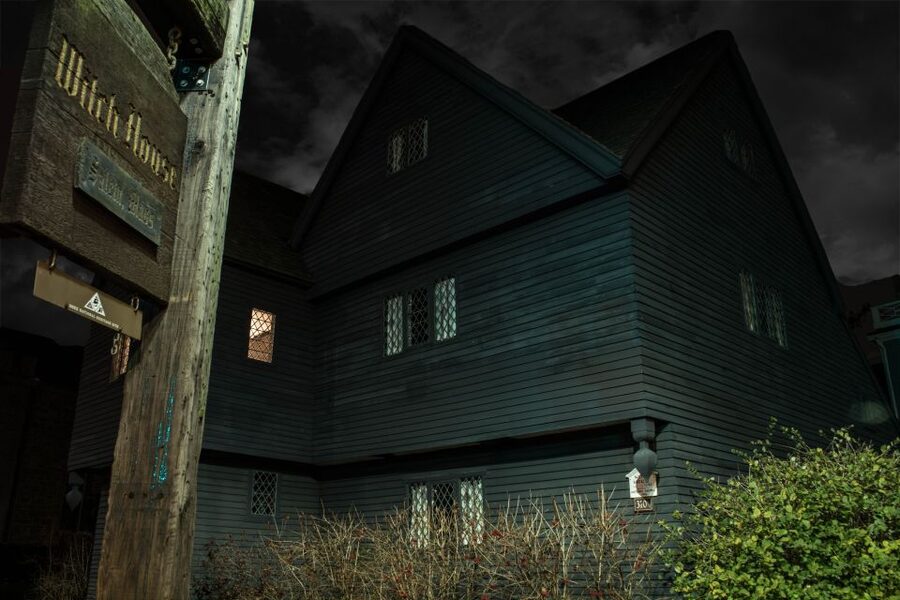
- Nine stops in two hours: You get a brisk introduction to Salem’s streets, buildings, cemetery, and public history.
- The Danvers correction: The tour explains why many accusations, executions, and alleged witchcraft events took place outside modern Salem.
- Strong storytelling: Guides including Mason, John, Danielle, and Noelle are praised for clear explanations, humor, and an easy pace.
- More than spooky tales: Expect Puritan history, betrayal, murder, mystery, literature, architecture, and the business of modern tourism.
- Good photo opportunities: The route includes chances to take pictures at Bewitched and Hocus Pocus filming locations.
- Come prepared to walk: Comfortable shoes, water, sun protection, and weather gear matter, especially during October crowds or summer heat.
Salem’s witchcraft story is more complicated than the souvenirs
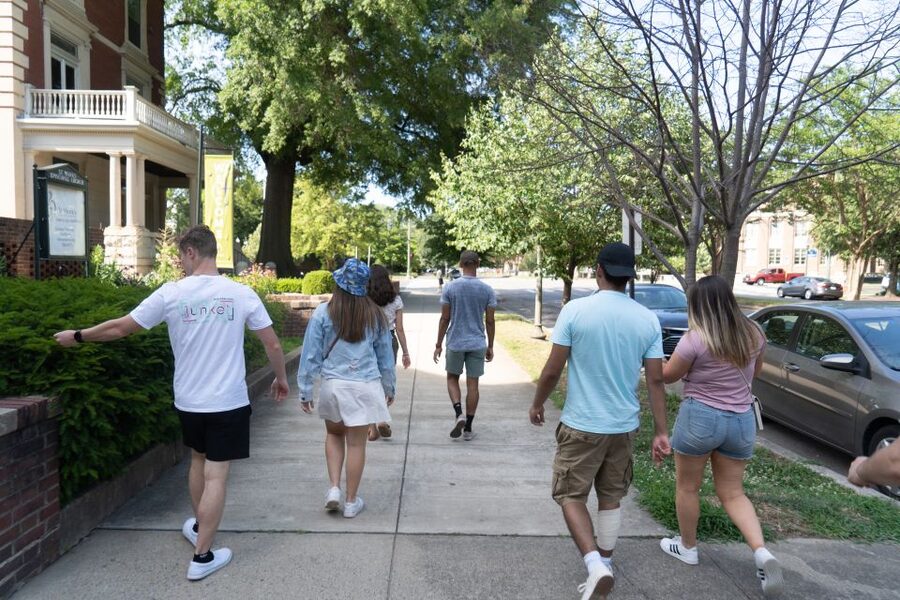
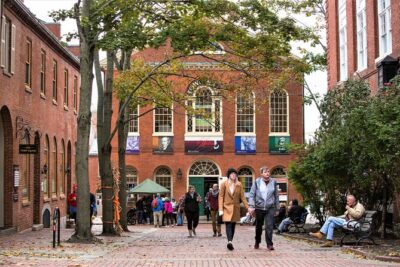
Salem makes it easy to believe the entire witch trial story happened on a few blocks downtown. Black cats, red-brick buildings, themed shops, and costumed characters reinforce that idea. The real story is less tidy, and that is where this tour earns its price.
You learn how Salem’s Puritan roots shaped the town, how fear and accusation spread, and how later generations turned a painful episode into a powerful tourism brand. The guide also explains how modern Salem uses the witch trials in its public identity, giving you a clearer view of the city beyond the shops and spooky decorations.
The most useful correction concerns location. Much of what people call the Salem witch trials took place in Danvers, historically known as Salem Village. The modern city of Salem became the center of memory, tourism, and popular culture, but it was not the setting for every major event connected with the trials.
That distinction changes the way you look at the city. Instead of treating Salem as a single haunted stage, you begin to see layers: a Puritan town, a colonial port, a place of legal conflict, a home to literary figures, and a modern destination that sells its past in many different ways.
More History Tours in Salem
- History and Hauntings of Salem Guided Walking Tour
★ 5.0 · 14,564 reviews - Wicked Awesome Tours: Witch Trial History and Salem Haunts!
★ 5.0 · 1,032 reviews - 2.5-Hour Salem History & Sightseeing Guided Walking Tour
★ 5.0 · 850 reviews
Beginning near Essex Street and the Old Town Hall area
The listed meeting point is outside Salem Five Savings Bank at 210 Essex Street. Other tour information refers to the Old Town Hall area, so check your final booking instructions carefully and arrive 15 to 20 minutes early. That extra time is useful in Salem, where October crowds can make even a short block feel slow to cross.
The tour starts with a live English-speaking guide and then moves on foot through central Salem. Guides have included Mason, John, Danielle, and Noelle. The strongest descriptions of their approach point to good pacing, humor, gestures, questions, and a willingness to explain complicated events without turning the walk into a lecture.
That matters because Salem’s history has plenty of names, dates, and overlapping places. A guide who can connect one building or street to the larger story makes the city easier to understand. Mason, who grew up locally, has been especially good at giving the tour a sense of place, while John has added trivia, local tips, and extra context for people staying into the evening.
Do not expect theatrical costumes to carry the experience. The appeal is the guide’s storytelling and command of the subject. Some guides use a personal connection to the trials to give the events a more human focus, but the tour remains a history walk rather than a reenactment.
Stop one: seeing Salem beyond the witch trial label
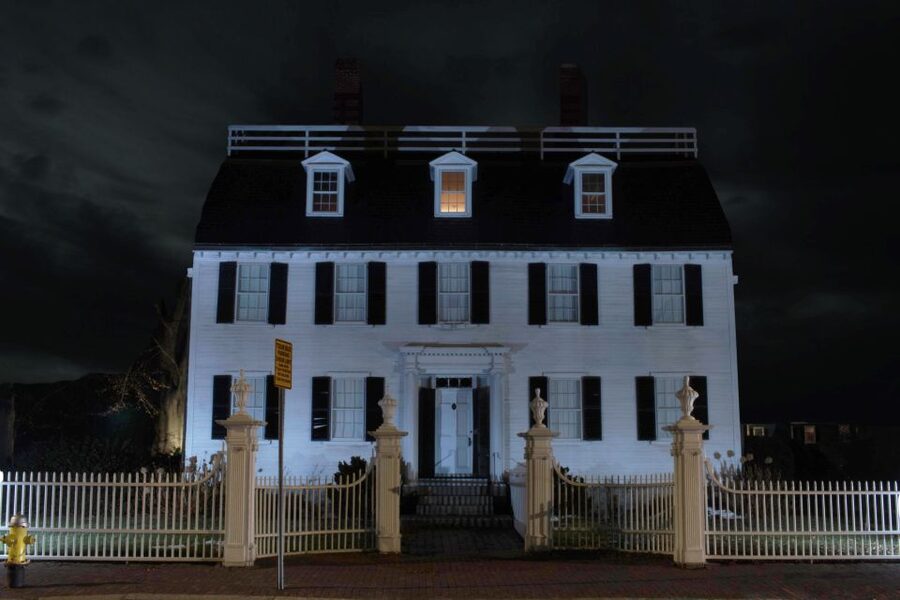
The early part of the walk sets up the central question: how did a strict Puritan community become the Witch City?
You hear about the town’s religious culture, social rules, and conflicts. These details help explain why accusations could gain force in a community already shaped by fear, pressure, and sharp divisions. The tour does not treat witchcraft claims as simple ghost stories. Instead, it places them within Salem’s political, religious, and social world.
I find this useful if you arrive expecting only haunted tales. Salem’s popular image can flatten the past into a few famous names and dramatic executions. The walk adds the human choices behind the story, including betrayal, suspicion, and the danger of public accusation.
This section also gives you a better way to spend the rest of your day. Afterward, you can look at Salem’s museums, cemeteries, and historic buildings with a clearer sense of what they represent, rather than seeing each one as a separate spooky attraction.
The Salem Athenaeum and the town’s intellectual life
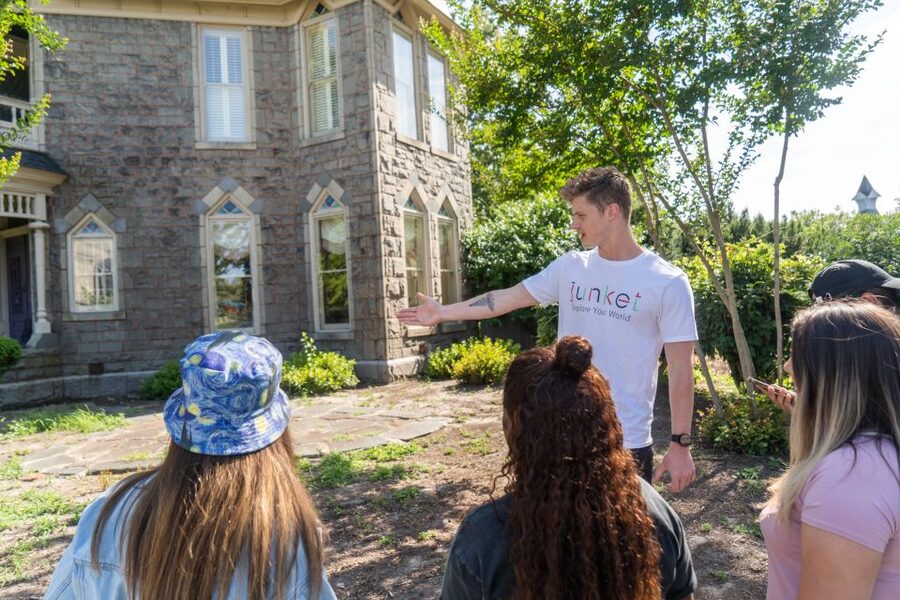
The Salem Athenaeum is one of the named stops. Its importance is not simply architectural. It helps widen the story from witchcraft to Salem’s later cultural and intellectual life.
A stop here shows how the town’s identity developed after the trials. Salem was not frozen in 1692. It became a place connected with literature, civic life, education, and public memory. The Athenaeum fits into that wider story, showing a side of the city that can be missed if you spend all your time following witch-themed signs.
This is also where the Nathaniel Hawthorne connection becomes especially interesting. Hawthorne’s ancestor, John Hathorne, served as one of the infamous judges connected with the witch trials. Hawthorne added the letter w to his surname, helping separate his literary identity from that family association.
That small detail has real weight. It shows how the trials continued to affect Salem families long after the executions ended. The tour uses the Hawthorne and Hathorne connection to show how history can remain personal, awkward, and impossible to fully leave behind.
More Walking Tours in Salem
- Salem Voodoo, Vampires, and Ghosts Guided Walking Tour
★ 5.0 · 1,931 reviews - Bewitched Walking Tour of Salem
★ 5.0 · 1,895 reviews - Satanic Salem Walking Tour
★ 5.0 · 1,635 reviews - Mysteries and Murders of Salem Guided Night-Time Walking Tour
★ 5.0 · 1,488 reviews
Old Burying Point Cemetery and Salem’s memory
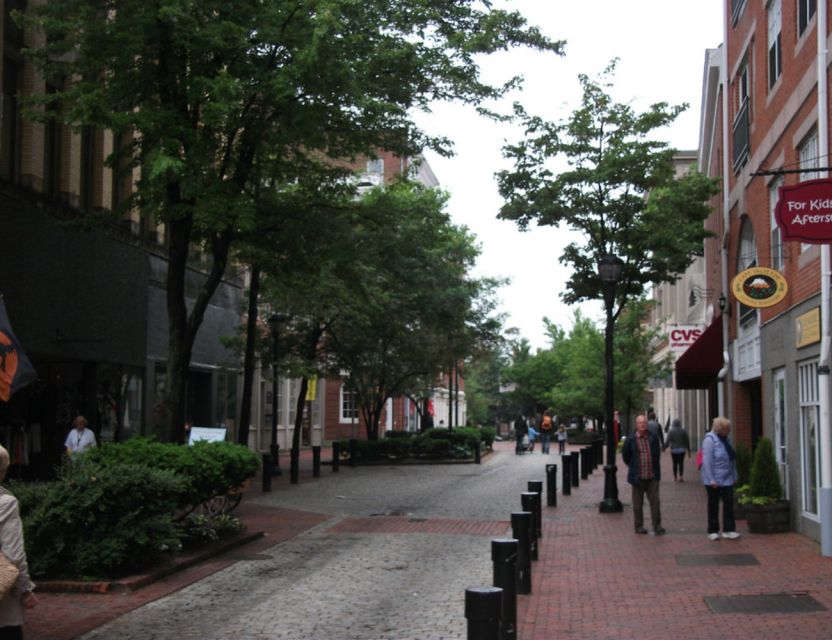
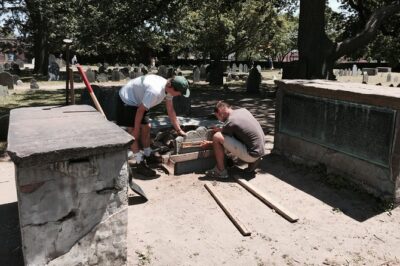
Old Burying Point Cemetery is another named stop. Cemeteries can be difficult to read without context, especially when many stones are weathered and the people connected with them are long gone. A guide gives the site a clearer purpose by linking its graves and memorial traditions to Salem’s public story.
The cemetery helps you think about who gets remembered and how. Salem’s witch trial victims were not all buried in marked graves, and the city’s later memorial culture developed over time. The cemetery stop therefore works best as a place to consider the gap between historical events and the way modern visitors encounter them.
Expect a pause rather than a long museum visit. This is still a walking tour, so the guide must keep the group moving. If you want extensive genealogical research, detailed grave-by-grave information, or a quiet period for reflection, you will need more time elsewhere.
The ground may also be uneven. Wear shoes with firm soles, and take care in wet weather. The tour is not designed for wheelchair users or people with mobility impairments, and it is not recommended if you cannot walk more than a mile.
The Danvers connection that changes the map
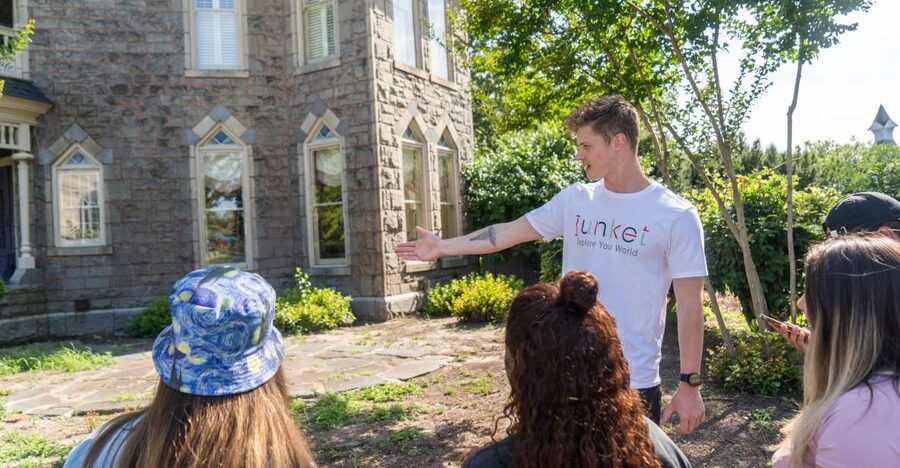
The most valuable fact for many people is the explanation of Salem Village, now Danvers. Most of the accusations, executions, and alleged witchcraft connected with the 1692 crisis took place there rather than in modern downtown Salem.
This does not make Salem irrelevant. The city became the port, legal center, and public name attached to the event. But the distinction helps you avoid one of the most common mistakes in Salem history.
The guide turns that correction into a practical lesson in reading place names. Colonial boundaries and modern city limits do not always match. When you hear Salem Village, Salem Town, and modern Salem, you are dealing with different places and political arrangements.
If you later visit sites outside central Salem, this background will help. Even if your schedule keeps you downtown, you will understand why the city’s tourism industry sometimes presents a wider regional story under the single name Salem.
Betrayal, murder, and mystery without losing the facts
The tour includes stories of betrayal, murder, and mystery, but the best use of those themes is not cheap shock. Salem’s past has enough real tension without adding invented drama.
A good guide must separate confirmed events, later claims, folklore, and tourism storytelling. The strongest guides on this walk are described as careful, engaging, and able to answer questions. John has also used ghost photographs from earlier tours, adding a supernatural angle without making that the entire point of the walk.
That balance suits Salem. You can enjoy the eerie mood while still keeping your footing in the historical record. If you want a pure ghost hunt, this may feel too grounded. If you want a dry academic lecture, the stories and humor keep it accessible.
The approach also works well for families and mixed-age groups. One teen and a parent found the tour easy to follow, and guides have handled both larger groups and very small bookings with care. The pace is designed to keep people engaged, not to rush through a list of dates.
Film locations and Salem’s modern Witch City image
The walk includes photo opportunities connected with Bewitched and Hocus Pocus. These stops bring the modern entertainment story into the tour, showing how film and television helped shape Salem’s public image.
You may want to take a selfie at the filming locations, but keep your expectations precise. The tour information does not promise every famous Salem attraction, and one person specifically wished the route had passed the Bewitched statue. That is a useful warning: the film-related stops are part of the experience, not a guarantee that you will see every pop culture landmark in town.
The larger point is more interesting than the photo itself. Salem’s identity today comes from a mix of colonial history, witch trial memory, literature, movies, television, and seasonal tourism. The guide explains how those pieces work together, giving you a better sense of why the city can feel both historic and highly commercial.
This part also helps you plan the rest of your visit. If a particular statue, filming site, museum, or shop matters to you, treat the walking tour as an introduction and make a separate plan to visit it.
What the two-hour pace feels like

Two hours is enough time to cover nine locations, but it is not enough for long visits inside each place. Think of the tour as a guided walk through Salem’s story, with stops for explanation and photographs rather than full admissions to museums or buildings.
The route has been completed in rain and heavy weather, with guides continuing professionally when conditions turned wet. Salem’s streets can also be hot in summer and packed during October weekends. Bring water, sunscreen, and a brimmed hat in warm weather. In rain, an umbrella or waterproof jacket will make the walk far more pleasant.
The tour takes place rain or shine. Comfortable shoes are essential, and you should expect more than a mile of walking. Uneven surfaces can make the route tiring even if the distance sounds modest.
Group size can vary. Some bookings have been very small, including private-feeling walks with only one or two participants. That can make questions easier and give the guide room to adjust the pace. Larger holiday groups may feel less intimate, particularly on crowded streets.
Is $35 a fair price?
At $35 per person, the tour offers solid value if you want a structured introduction to Salem. You get two hours with a live guide, nine historic stops, photo opportunities, and context that would be hard to assemble by simply walking from one attraction to the next.
The value is strongest for first-time visitors. You learn which stories belong to Salem, which belong to Danvers, how Hawthorne fits into the picture, and how the modern tourism trade developed. That background can make later museum visits more rewarding.
The price is less compelling if you only want photographs or already know Salem’s history well. You will not receive a long stop at every site, and the tour does not replace a dedicated museum visit or a trip to Danvers.
Flexible booking also helps. You can reserve now and pay later, and cancellation is available up to 24 hours before the tour for a full refund. Check the current starting times when choosing your date, since the duration is fixed at two hours but availability varies.
Who will enjoy this Salem walk most?
I would choose this tour for a first visit, especially if you want history with some spooky atmosphere but do not want a costume-heavy performance. It suits couples, families with older children, solo visitors, and anyone who likes asking questions while walking.
It is also a smart choice if your day in Salem feels scattered. The city has many signs, monuments, shops, and themed attractions. A guide gives those pieces a chronological thread and helps you understand what you are looking at.
You should think twice if you have limited mobility, use a wheelchair, or cannot walk more than a mile. The tour is not suitable for wheelchair users or people with mobility impairments. It may also disappoint visitors seeking a single focus on supernatural claims, since the walk gives equal weight to civic history, literature, architecture, and modern tourism.
Arrive early at the stated meeting point, wear comfortable shoes, and dress for the forecast. Around Halloween, allow extra time to reach Essex Street because the central streets can become extremely crowded.
Should you book the Secrets of Salem tour?
Book it if you want Salem’s story put into order, with clear explanations of the witch trials, the Danvers connection, the Hawthorne family link, cemetery history, and the city’s modern pop culture image. The guides are the heart of the experience, and Mason, John, Danielle, and Noelle have shown the warm, flexible style that makes a walking tour work.
Skip it if you need a fully accessible route, a quiet cemetery visit, or a detailed stop inside every attraction. For most first-time visitors who can comfortably walk a mile or more, $35 is a fair price for a lively historical orientation and a useful starting point for the rest of Salem.
FAQ
How long is the Secrets of Salem walking tour?
The tour lasts two hours.
How many historic locations does the tour visit?
The walk includes nine historic tour stops.
Where do I meet the guide?
The listed meeting point is outside Salem Five Savings Bank at 210 Essex Street in Salem. Some tour information also refers to the Old Town Hall area, so check your final confirmation and arrive 15 to 20 minutes early.
What language is the tour offered in?
The live guided tour is offered in English.
What topics does the tour cover?
It covers Salem’s Puritan past, the witch trials, betrayal, murder, mystery, Nathaniel Hawthorne’s connection to judge John Hathorne, Danvers and Salem Village, and the modern tourism industry.
Will I see film locations?
The tour includes photo opportunities at locations connected with Bewitched and Hocus Pocus. It does not guarantee every famous film-related site or statue in Salem.
Is the tour suitable for wheelchair users?
No. The tour is not suitable for wheelchair users or people with mobility impairments.
How much walking is involved?
The tour is not recommended for people who cannot walk more than a mile. Comfortable shoes are required, and some surfaces may be uneven.
What happens if it rains?
The tour takes place rain or shine. Bring suitable weather protection and dress for the conditions.
Newest Salem tours we have written up
- [ESP] History of Salem Witch Trials★ 4.0 · 5 reviews
- Tales of Salem Candyland Tour★ 4.0 · 8 reviews
- Private Walking Salem Legends Tour Professional Guide★ 5.0 · 3 reviews
- Salem Vintage Postcard Tours★ 5.0 · 8 reviews
- Spooky Ramen Tours★ 5.0 · 5 reviews
- Experience Authentic Salem Séance with Entry Pass★ 3.5 · 13 reviews
- Salem Witch Tour★ 5.0 · 6 reviews
- Salem Bewitched Tour With Tarot Reading★ 5.0 · 7 reviews
Walking Tours in Salem, compared.
History and Hauntings of Salem Guided Walking Tour
Read our review →


Mysteries and Murders of Salem Guided Night-Time Walking Tour
Read our review →
2.5-Hour Salem History & Sightseeing Guided Walking Tour
Read our review →
Best Salem Witch Trials Historical Walking Tour
Read our review →Browse the lists this tour appears in