
Review · SALEM TOURS
Salem Through a New Lens: Anniversary of Joseph White Murder
Salem’s best-known story is not its only dark tale. This walking tour follows the 1830 murder of sea captain Joseph White, a case that shook a wealthy seaport and captured national attention. Rebecca Johnson sets up the story like a mystery, while photographer Chris Padgett helps you frame Salem’s old buildings and streets with fresh eyes.
I like the way the tour joins true crime and local history, rather than treating Salem as a one-theme witch-trials town. I also like the practical photography lesson, which gives your phone or camera a job at every stop. The main drawback is that the tour stays outdoors, rain or shine, and does not enter any buildings or cemeteries.
Key points to know
- A real 1830 Salem murder: Follow the Joseph White case and learn how it reflected the decline of Salem’s powerful seaport economy.
- Storytelling with a photographic angle: Rebecca Johnson leads the history, while Chris Padgett offers tips for DSLR cameras and smartphones.
- Six outdoor stops: The route links Old Town Hall, the former jail site, Howard Street Cemetery, the Peabody Essex Museum, Gardner Pingree House, and Salem Common.
- A fresh side of Salem: The case influenced Edgar Allan Poe and Nathaniel Hawthorne and reaches beyond the usual witch-trials story.
- Small-group format listed: The tour information gives a maximum of 10 people, while another group-size note allows up to 40, so confirm the size when booking.
- Plan for the weather: Wear comfortable shoes, bring your camera or phone, and use a restroom before you arrive.
Why the Joseph White murder still matters in Salem
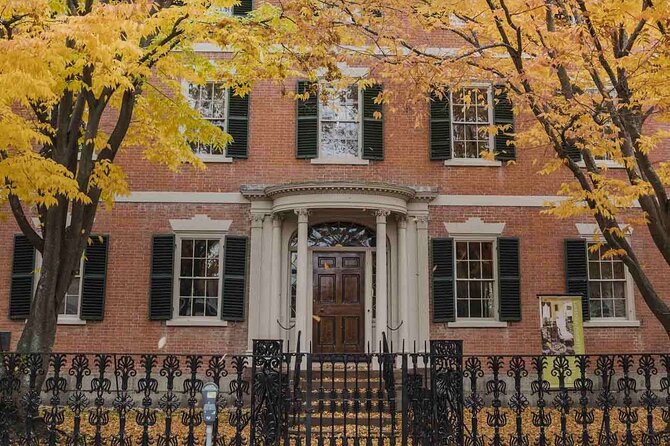
Joseph White was an aged sea captain whose death in 1830 became far more than a local crime. The case involved prominent people and unfolded during a period when Salem’s identity as a wealthy, successful seaport was beginning to fade.
That setting gives the tour more weight than a simple whodunit. You are not only asking who killed White. You are also looking at a city worried about its future, social rank, money, and reputation.
The murder became an international sensation. The rise of the Penny Papers helped spread stories of crime, tragedy, adventure, and gossip to a broad audience. The case also influenced writers Edgar Allan Poe and Nathaniel Hawthorne, giving the story a place in American literary culture.
Rebecca Johnson presents the case in stages. Each stop adds another piece, and the structure keeps you listening for the next clue instead of receiving one long block of background at the start. If you enjoy mysteries, that pacing is a major part of the appeal.
More things to do in Salem
- History and Hauntings of Salem Guided Walking Tour
★ 5.0 · 14,564 reviews - Salem’s Best Ghost Tour
★ 4.5 · 4,186 reviews - Salem Voodoo, Vampires, and Ghosts Guided Walking Tour
★ 5.0 · 1,931 reviews
Starting at Old Town Hall in Salem
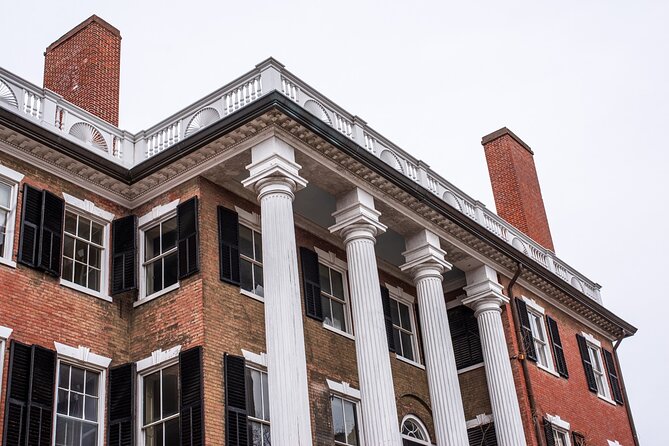
The walk begins at 32 Derby Square, near Salem Old Town Hall. The opening stop is brief, about five minutes, but it sets the tone for the entire outing.
You will receive the basic story of the Joseph White murder and learn why it mattered to Salem beyond the immediate tragedy. This is also where the photography component begins. Chris Padgett can help you use settings on a DSLR camera or camera phone, so bring the device you actually want to use.
The photography lesson is not an unrelated add-on. Salem’s old streets and architecture become visual evidence of the period under discussion. You are encouraged to notice lines, framing, light, and details that can turn an ordinary street scene into a stronger memory of the visit.
If you are a casual phone photographer, you do not need advanced skills to take part. The tour is designed to help you get more from a smartphone as well as a dedicated camera. Bring your own equipment because none is supplied.
The old jail lot and the power of place
The next stop is the Old Salem Jail Lot, where the group spends about 10 minutes. This is an outdoor stop, so you will not enter a jail building or indoor historical site.
A former jail location adds a natural sense of tension to a murder story, but the value here is also historical. Places connected with law, punishment, and public reputation help you picture how a case might have affected Salem society in the early 19th century.
This is one of the points where the tour’s format works well. Rebecca can continue the case in a real Salem setting, and Chris can show you ways to photograph the site without treating it as just a backdrop. Keep your camera ready, but pay attention to the narration first. The story is the main event.
Howard Street Cemetery from the outside
The walk then reaches Howard Street Cemetery for about 10 minutes. The stop is outdoors only, and the cemetery is not entered.
That limitation matters. If you expect a cemetery visit with time among the graves, this is not that kind of tour. You will discuss the site from outside rather than explore the grounds.
Still, the location helps connect the murder story to Salem’s people and memory. You can think about how the town preserved its past while listening for the next part of the case. It also gives you another setting for photography, with Chris offering guidance on composition and camera settings.
The tour allows service animals and is dog friendly, but keep in mind that this section remains outdoors. Comfortable shoes and clothing suited to the weather are sensible choices.
Same city, a completely different afternoon:
- Bewitched Walking Tour of Salem
★ 5.0 · 1,895 reviews - Satanic Salem Walking Tour
★ 5.0 · 1,635 reviews - Mysteries and Murders of Salem Guided Night-Time Walking Tour
★ 5.0 · 1,488 reviews - The Salem Witch Walk
★ 4.5 · 1,301 reviews
The Peabody Essex Museum and Salem’s wider story
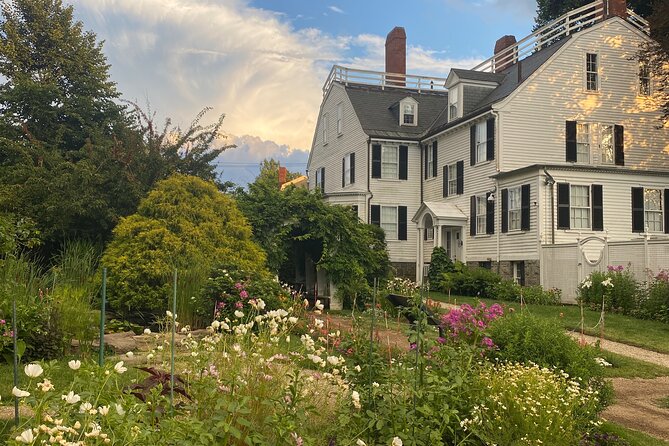
At the Peabody Essex Museum, the guides spend about 10 minutes discussing the museum’s importance. You do not go inside.
The stop helps place the Joseph White case within the larger story of Salem. The museum is an important reference point for the city’s cultural and maritime identity, while the murder shows a darker side of the same society.
This is useful for anyone who wants more than a crime tale. Salem’s success came from trade, shipping, and connections beyond Massachusetts. The White murder became news far outside town, and that wider reach makes more sense when you consider Salem as an influential seaport rather than only a historic tourist town.
Because the museum visit is exterior only, do not count this tour as a substitute for visiting the Peabody Essex Museum. If you want to see its collections, plan a separate visit and allow extra time.
The Gardner Pingree House and the central mystery
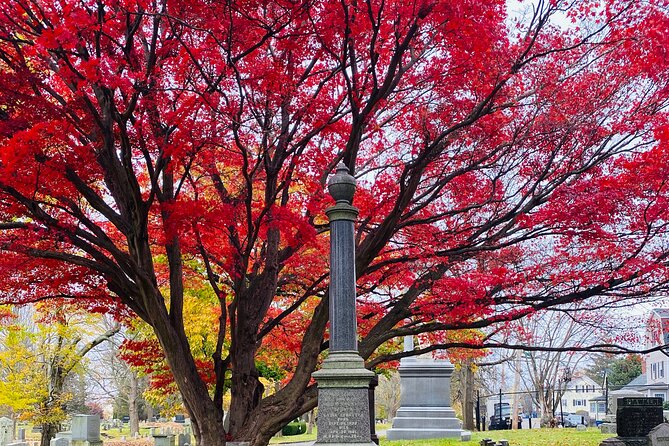
The longest stop is at the Gardner Pingree House, with about 20 minutes spent outside. The group does not enter the house.
This is where the Joseph White murder receives its most detailed treatment. The location gives the story a physical anchor, and Rebecca uses the setting to explain the people and circumstances tied to the crime.
The tour’s mystery format is especially useful here. Rather than handing you every answer at the beginning, the guide adds information as the walk progresses. You can form your own theory, keep track of clues, and see how the case grew into a public sensation.
The house also shows why Salem’s architecture matters to the photography lesson. You are not only photographing a pretty old building. You are photographing a place tied to a case that shaped the city’s public image and influenced later writers.
Do not expect a house tour. The attraction is the story told outside, along with the chance to frame the building and surrounding streets with help from Chris.
Salem Common brings the walk to a close
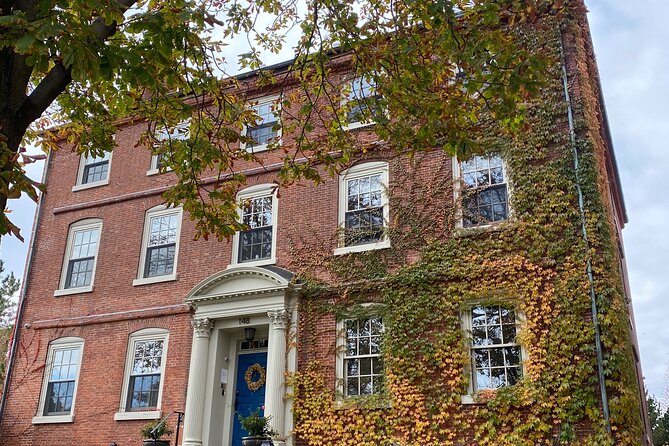
The final stop is Salem Common, where the tour spends about 15 minutes. The walk ends at N Washington Square.
The Common gives the group room to finish the case and review the larger meaning of what you have seen. It also offers a change from the more tightly connected locations earlier in the route.
Ending at Salem Common is practical if you want to continue exploring Salem afterward. The tour does not return to the starting point, so remember that this is a point-to-point walk. The listed duration is about 90 minutes to two hours, depending on the pace and discussion.
The final stop is also a good time to take a few last photos. You may have started with basic camera settings and ended with a better feel for framing, perspective, or how to use your phone more deliberately.
What the photography lesson adds
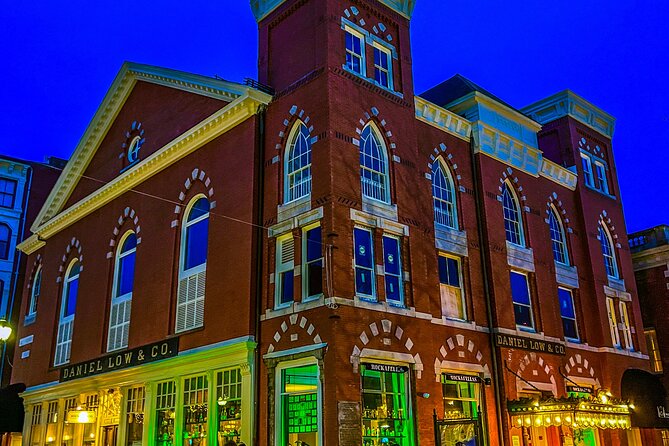
The photography component is the tour’s most unusual feature. Many walking tours ask you to look at historic buildings, but this one also gives you specific help in recording them.
Chris Padgett is an award-winning photographer, and the lesson is intended for both DSLR users and smartphone photographers. You might learn how to change settings, frame a building, or find a more interesting angle. The exact advice will depend on your camera and the conditions during your walk.
I see the biggest value for hobby photographers and people who often return from trips with a camera roll full of similar snapshots. The lesson encourages you to slow down and notice what is in front of you.
You should not book this as a formal photography workshop with extensive technical training. The photography guidance is woven into a history walk. You will spend much of the time listening to Rebecca’s account of the murder and Salem’s past.
Why the tour feels different from a standard Salem walk
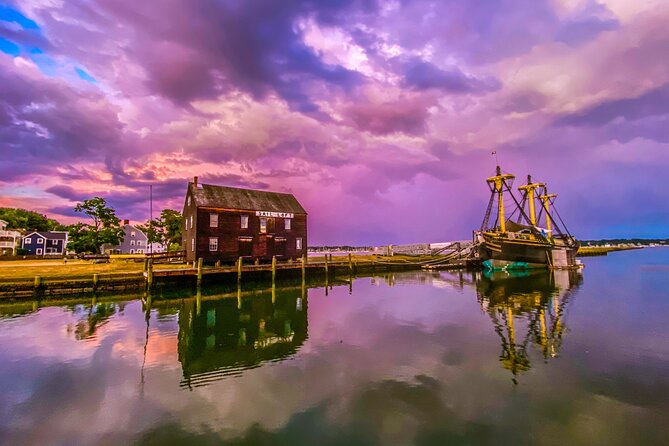
Salem has no shortage of tours about witches, ghosts, and old buildings. This one gives you a less familiar subject without abandoning the city’s darker mood.
The Joseph White case offers suspense, but the tour also explains social and economic change. You get a more layered view of Salem, including its role as a seaport and the way news spread through the Penny Papers.
The case has literary importance, too. Its influence on Poe and Hawthorne gives the story a connection to American writing, not just crime history. If you have already taken a witch-trials tour, this walk can add a new chapter rather than repeat the same material.
The format also suits people who want a tour with a clear narrative. Rebecca Johnson’s approach builds from stop to stop, often leaving you with another question to consider. That is more engaging than a route that simply lists dates and architectural facts.
Price, timing, and what your $36 covers
At $36 per person, the tour costs more than a basic self-guided walk but includes two services: a professional licensed guide and a photography lesson.
The value depends on how much you want from each part. If you only want the murder story, you may find a standard history walk or your own research less expensive. If you want guided storytelling plus help with a phone or camera, the combined format makes the price easier to justify.
The walk lasts about one hour and 30 minutes to two hours. That is long enough to develop the case without taking up an entire day in Salem. You can fit it into a larger visit before or after museum time, shopping, or another tour.
The tour is offered in English and uses a mobile ticket. Gratuity is not included, so plan for that separately if you choose to tip the guide.
The information gives two different group-size limits: one says a group may reach 40 people, while another lists a maximum of 10. Since group size can change the feel of a storytelling and photography walk, check the current booking details before you pay.
Weather, walking, and practical planning
This is an outdoor activity from beginning to end. You do not enter Old Town Hall, the Old Salem Jail, Howard Street Cemetery, the Peabody Essex Museum, or the Gardner Pingree House.
The tour runs rain or shine and does not cancel for weather. Wear comfortable shoes and dress for the forecast. A rainy day may make photography harder, but the guide still operates the tour.
There are no public restrooms along the route. Use one before meeting at 32 Derby Square. The finish at Salem Common is at N Washington Square, not back at the starting point.
Most people can participate, and service animals are allowed. Dogs are welcome as well. Children must be with a ticketed adult.
A liability waiver and photo release apply when you book. Free cancellation is available if you cancel at least 24 hours before the local start time. Changes or cancellations made inside that window are not accepted for a refund.
Who should book this Salem tour?
I would choose this walk if you enjoy true crime, American history, old architecture, or practical photography. It is especially good for someone who wants to see Salem beyond the witch trials.
It also suits repeat visitors. If you have already walked the main historic streets, the Joseph White case gives you a different reason to look at familiar places. You may find yourself wanting to research the story further after the tour, which is a good sign for a history-focused outing.
The tour is less suitable if you want indoor attractions, a cemetery visit, or a relaxed route with frequent restroom stops. It is also not the best match if photography does not interest you at all, since the camera guidance is part of the design.
For the best fit, bring a charged phone or camera, wear weather-ready clothing, and arrive ready to listen for clues. You do not need professional equipment, but you should bring something to photograph with.
Should you book the Joseph White murder tour?
Book it if you want a suspenseful Salem story with real historical context and a useful photography lesson. Rebecca Johnson’s staged clues and Chris Padgett’s camera advice give the walk a clear identity, while the six outdoor stops show a side of Salem that many short visits miss.
Skip it if you need indoor sightseeing or a fully flexible route. The rain-or-shine policy and lack of public restrooms require a little planning. For most people interested in Salem’s darker past, though, the $36 price is fair because you receive both a guided murder mystery and hands-on help making better photographs.
FAQ
How long does the Salem Joseph White murder tour last?
The tour lasts approximately one hour and 30 minutes to two hours.
Where does the tour begin?
The meeting point is 32 Derby Square, Salem, Massachusetts 01970, near Salem Old Town Hall.
Where does the tour end?
The tour ends at Salem Common, N Washington Square, Salem, Massachusetts 01970.
Is the tour indoors or outdoors?
It is an outdoor activity only. The group does not enter any buildings or cemeteries.
What camera should I bring?
Bring your own DSLR camera or smartphone. The photography lesson is designed to help you use either type of device.
Is the tour offered in English?
Yes. The tour is offered in English.
Are children and dogs allowed?
Children must be accompanied by a ticketed adult. The tour is dog friendly, and service animals are allowed.
Does the tour operate in bad weather?
Yes. The tour runs rain or shine and does not cancel for weather. Wear comfortable shoes and dress accordingly.
Is cancellation free?
You can cancel for a full refund if you do so at least 24 hours before the experience start time. Cancellations or changes made less than 24 hours before the start are not accepted for a refund.
Newest Salem tours we have written up
- [ESP] History of Salem Witch Trials★ 4.0 · 5 reviews
- Private Walking Salem Legends Tour Professional Guide★ 5.0 · 3 reviews
- Tales of Salem Candyland Tour★ 4.0 · 8 reviews
- Spooky Ramen Tours★ 5.0 · 5 reviews
- Salem Vintage Postcard Tours★ 5.0 · 8 reviews
- Experience Authentic Salem Séance with Entry Pass★ 3.5 · 13 reviews
- Salem Bewitched Tour With Tarot Reading★ 5.0 · 7 reviews
- Salem Witch Tour★ 5.0 · 6 reviews
Salem Tours, compared.
History and Hauntings of Salem Guided Walking Tour
Read our review →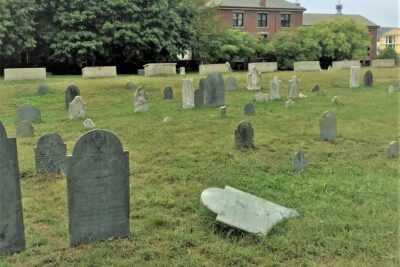


Mysteries and Murders of Salem Guided Night-Time Walking Tour
Read our review →
Wicked Awesome Tours: Witch Trial History and Salem Haunts!
Read our review →Browse the lists this tour appears in