
Review · BOSTON FOOD TOURS
Dumplings to Dim Sum: Food and History Tour of Boston’s Chinatown
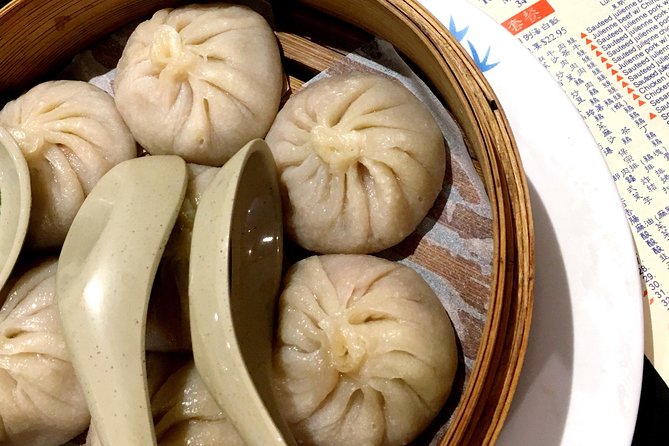
Boston’s Chinatown is compact, but its food tells a much bigger story. On this walking tour, you move from traditional Chinese specialties to Chinese-American favorites and modern dishes created by second-generation chef owners. The best part is the link between plate and place: you are not just eating dumplings, you are learning why this neighborhood developed as it did.
I like the small group of no more than 12 and the way the tour mixes food with local history. I also like that the tastings are not limited to one style of cooking. You get a look at the full range, from traditional Chinese food to dishes shaped by American tastes and newer Asian influences.
The main consideration is the price, $135.45 per person. That is a serious outlay for a two-and-a-half-hour walk, even with food included. Also, one participant had trouble hearing the guide, so stay near the guide and speak up early if the group spreads out.
Key points at a glance
- Three food traditions in one walk: Taste Chinese, Chinese-American, and modern Asian cooking rather than one narrow style.
- Boston Chinatown in context: Learn how the neighborhood formed and how Chinese food changed in America.
- Small-group format: The maximum of 12 people makes questions and conversation easier.
- Well-regarded guides: Swetha and Katie are praised for their warmth, preparation, and ability to make the tour fun.
- Enough food for a meal: Portions are described as substantial, with a good mix of stops rather than one oversized tasting.
- Easy transit access: The meeting point is near the Chinatown T stop and South Station.
Why Boston Chinatown works so well for a food tour
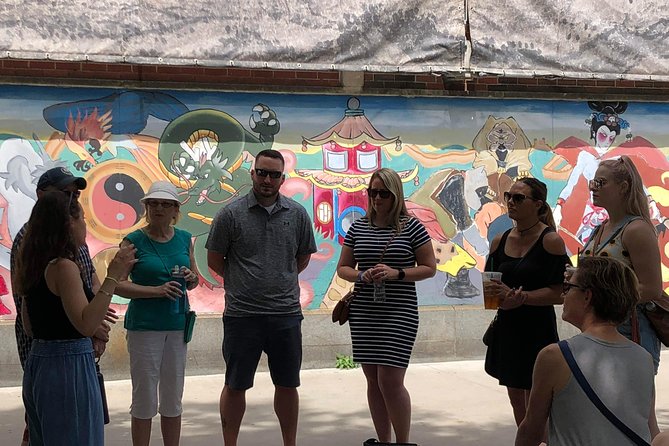
Chinatown is a good walking-tour neighborhood because the area is small enough to cover on foot, yet its food culture has several layers. You can look at a restaurant sign or a plate of dumplings and see only the surface. A good guide adds the missing pieces: migration, neighborhood growth, restaurant traditions, and the way Chinese food adapted in the United States.
That context is the real reason to choose this tour over simply picking a restaurant on your own. You would still eat well by wandering Chinatown independently, but you would not necessarily know which dishes reflect older Chinese traditions, which were shaped by Chinese-American dining, and which come from newer local chefs.
The tour is also designed for people who want to try more than one restaurant. Instead of committing to a single large meal, you sample food from several local eateries. That gives you a broader sense of the neighborhood and lets you compare styles, flavors, and ideas without ordering a full meal at each stop.
The food focus is especially useful if you are new to Chinese cuisine. You can ask questions in real time, try dishes with some background, and make notes about places you may want to revisit later. If you already know Boston Chinatown well, the stories and selected stops can still give the neighborhood a fresh angle.
More food tours in Boston
- Boston Food & History: Pizza, North End & Freedom Trail
★ 5.0 · 1,772 reviews - Boston North End Food Tour of 6+ Tastings, Cannoli, Lobster Roll
★ 5.0 · 1,404 reviews - Boston’s North End Food Tour: Italian Flavors & Heritage Walk
★ 5.0 · 1,322 reviews
Meeting at the Chinatown Gate
The tour starts at the Chinatown Gate at John F. Fitzgerald Surface Road and Beach Street. That is a practical meeting point because the gate is easy to identify and sits close to the heart of the neighborhood.
Start time is 11:00 a.m. Arrive with enough time to find the meeting point, since the experience begins as a walking tour and all participants need advance tickets. The mobile ticket is convenient, particularly if you are fitting this between other Boston plans.
Public transportation is the smart choice. The meeting point is close to the Chinatown station on the Orange Line and within reach of South Station on the Red Line. Driving is less convenient. Boston meters have a two-hour limit per block, which is shorter than the tour, and the operator recommends using a parking lot if you come by car.
The tour returns to the same meeting point. That makes planning easier, since you do not have to arrange a pickup at another part of Boston.
A 2.5-hour walk through food and local history
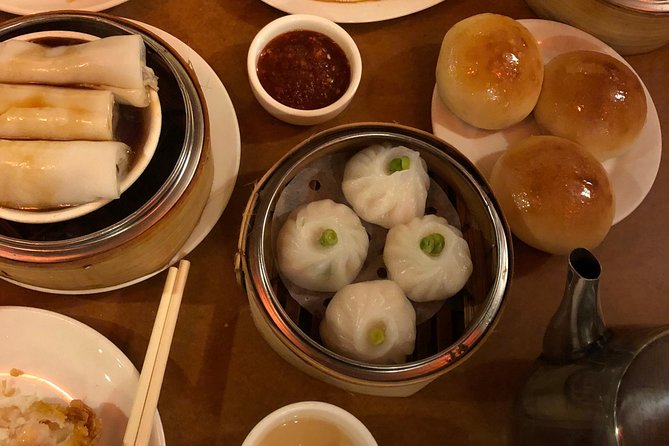
The advertised duration is approximately two hours and 30 minutes, while the included details describe it as a three-hour guided walking tour. Plan for roughly the full scheduled morning rather than trying to squeeze in a tight appointment afterward.
The pace is built around stops for food and short explanations. You are not walking continuously for hours, but you should still expect to be on your feet and moving through the neighborhood. Comfortable shoes and weather-ready clothing are sensible.
The guide explains how Boston’s Chinatown developed and then connects that story to the food served today. This is more useful than a list of dates because the information has a direct connection to what you are eating. A dish becomes a clue to changing tastes, restaurant traditions, and the role of Chinese-American cooking.
The tour also looks at cuisine specific to Boston. That is an appealing detail for repeat visitors who may already know the broad story of Chinese food in America. You are not only getting a general introduction. The aim is to show how local restaurants and chefs have shaped their own version of that story.
From traditional Chinese dishes to modern Asian plates
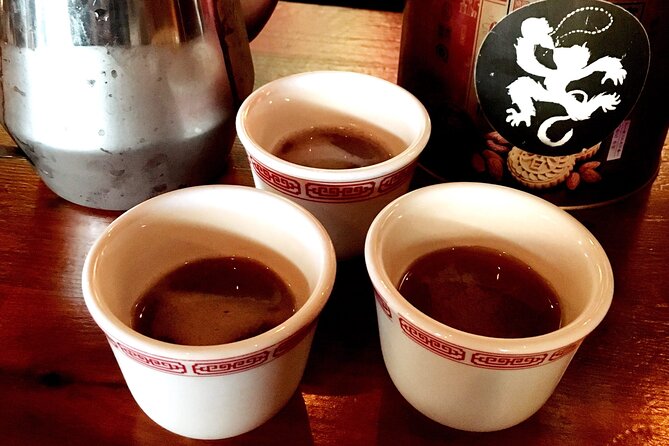
Food is the main event, and the range is one of the strongest reasons to book. Tastings include traditional Chinese specialties, Chinese-American dishes, and modern Asian food.
That range helps you avoid a common problem with food tours: too much of one thing. If every stop served the same type of dumpling, the experience could become repetitive. Here, you should expect more variety in both the dishes and the ideas behind them.
The Chinese-American portion is especially valuable. Many people know the broad category but have not thought much about why certain dishes became popular in the United States or how restaurant cooking changed to meet local demand. The guide uses the food to explain that evolution.
The modern side brings the story into the present. Second-generation chef owners are part of the tour’s focus, so the experience is not presented as a museum piece. You get older traditions alongside newer interpretations. That combination should appeal to anyone who wants a current view of Chinatown rather than only a historical one.
The exact dishes are not specified in the available details, so do not book with a fixed checklist of particular dumplings or dim sum plates in mind. Think of the title as a guide to the food theme, not a promise that one named dish will appear at every tour.
More history tours in Boston
- Boston: Freedom Trail History Small Group Walking Tour
★ 5.0 · 6,450 reviews - Tour of Historic Fenway Park, America’s Most Beloved Ballpark
★ 4.5 · 3,013 reviews - Boston: City Cruises Historical Sightseeing Cruise
★ 4.6 · 1,771 reviews - Boston: Freedom Trail History Small Group Walking Tour
★ 4.9 · 1,590 reviews
What the food portions mean for lunch
The tastings are intended to add up to a satisfying meal. One participant described finishing full without feeling uncomfortably stuffed, while another emphasized the generous amount of food. That suggests a useful middle ground: come hungry, but do not assume you need to eat a large lunch before or after.
The food is served across multiple stops, which spreads the meal over the walking time. This is a better format than receiving everything at once because you get breaks between bites and stories. It also gives you time to notice how the food fits the neighborhood around you.
Still, appetite and dietary needs vary. The supplied details do not list specific vegetarian, vegan, allergy, or religious-diet arrangements. If those issues matter to you, ask the operator before booking rather than assuming the stops can be changed.
The tour includes all food tastings and fees and taxes. Drinks are not specifically listed, so do not count on beverages being included in the $135.45 price.
Guides who make the difference
The guide can shape the experience as much as the food. The available feedback gives particular praise to Swetha and Katie. Swetha is described as friendly, fun, and able to make even local residents see Chinatown in a new way. Katie is praised for her exceptional guiding and well-planned stops.
That matters because food tours need more than restaurant knowledge. The guide has to keep the group together, explain unfamiliar dishes, answer questions, and speak clearly in busy streets and dining rooms. The strongest comments focus on exactly those human qualities: warmth, preparation, good pacing, and a sense of fun.
There is one practical warning. A participant enjoyed the food and found the guide well prepared but could hear her only about 10 percent of the time. If you have hearing difficulties, position yourself close to the guide and let her know at the start. If the group becomes spread out, ask for a pause or repeat the explanation. You are paying for the stories as well as the tastings, so it is worth protecting your chance to hear them.
The tour has a maximum of 12 participants. That is small enough to make conversation possible and far more personal than a large coach-style group. It also means the tour may sell out on popular dates, especially since it is often booked well in advance.
Is $135.45 a fair price?
At $135.45, this is not a budget lunch. The value depends on what you want from the outing.
If you simply want the cheapest way to eat in Chinatown, you can spend much less by choosing one restaurant yourself. The tour price makes more sense if you want several tastings, a guided walk, local context, and the convenience of having the food selections arranged for you.
You are also paying for access to a small group and a guide who connects the dishes to Boston’s Chinese-American story. That can be worthwhile on a first visit, or for a local who wants a more thoughtful afternoon than a routine restaurant meal.
The strongest value comes when you treat the tour as both lunch and neighborhood orientation. You finish with a better sense of where you are, what kinds of food you tried, and which parts of Chinatown deserve a return visit.
For a budget-conscious visitor, the cost may feel high. For someone who would otherwise book several tastings and spend time researching restaurants, the guided format can justify the difference.
Who should book this Chinatown walk?
I would recommend it most to:
- First-time visitors to Boston who want food and local history together.
- Couples, friends, and solo participants who enjoy trying several dishes in one outing.
- Boston residents who know Chinatown but want new food stops and fresh stories.
- People curious about the difference between traditional Chinese, Chinese-American, and modern Asian cooking.
- Anyone who prefers a small walking group to a large sightseeing tour.
It is not recommended for children under 12. The tour is also a poor fit if you dislike walking, cannot comfortably eat a range of foods, or want a precise menu in advance.
The tour runs in English. Most people can participate, but all participants need their own ticket. Since the tour takes place outdoors as well as inside eateries, check the forecast and dress accordingly.
Weather, timing, and cancellation details
The operator says tours run rain or shine, so you should come prepared for the forecast. The cancellation terms also state that an outing may be canceled because of poor weather, in which case you will be offered another date or a full refund.
You can cancel up to 24 hours before the start time for a full refund. Cancellations or changes made less than 24 hours before the tour are not accepted for a refund.
A minimum number of participants is required. If that minimum is not met and the tour is canceled, you will be offered another date or experience, or a full refund.
Should you book Dumplings to Dim Sum?
Book this tour if you want Chinatown explained as well as tasted. The combination of traditional Chinese food, Chinese-American dishes, modern Asian cooking, and neighborhood history gives you more than a standard restaurant crawl.
The best reasons to go are the small group, the broad food range, and guides such as Swetha and Katie, who have been praised for making the experience warm and entertaining. The main reasons to hesitate are the $135.45 price, the possibility of hearing problems in a busy group, and the lack of a published dish-by-dish menu.
If you are happy to spend for a guided food experience and want a fuller understanding of Boston’s Chinatown, I would book it. If your priority is simply eating cheaply, explore the neighborhood on your own and save the money for another meal.
FAQ
Where does the tour start?
It starts at the Chinatown Gate at John F. Fitzgerald Surface Road and Beach Street in Boston.
What time does the tour begin?
The tour starts at 11:00 a.m.
Where does the tour end?
It ends back at the meeting point.
How long does the tour last?
The activity lasts approximately two hours and 30 minutes. The included details describe it as a three-hour guided walking tour, so allow about three hours in your schedule.
How many people can join the tour?
The maximum group size is 12 participants.
What food is included?
All food tastings are included. They cover Chinese, Chinese-American, and modern Asian cuisine from local eateries.
Are fees and taxes included?
Yes, all fees and taxes are included in the ticket price.
Is a guide gratuity included?
No. Gratuity is not included, though it is graciously accepted at the end of the tour.
Is the tour suitable for children?
The experience is not recommended for participants under 12 years of age.
Can I cancel for a full refund?
Yes. You must cancel at least 24 hours before the start time for a full refund. Changes or cancellations made less than 24 hours before the start are not accepted for a refund.
More food and drink tours in Boston
- Boston Pizza Lovers Food and History Walking Food Tour
★ 4.5 · 1,082 reviews - Boston’s North End Food and History Walking Tour
★ 5.0 · 459 reviews - Boston’s Politically Incorrect North End Food Tour
★ 5.0 · 453 reviews - Boston: North End & Little Italy Food Tour with Local Dishes
★ 4.8 · 229 reviews
Newest Boston tours we have written up
- Boston’s Freedom Trail: A Self-Guided Audio Tour★ 4.0 · 18 reviews
- Boston’s Freedom Trail: A Self-Guided Tour of All 16 Sites★ 5.0 · 14 reviews
- Washington D.C. Cherry Blossom,Baltimore 3-Day Tour from Boston★ 4.5 · 7 reviews
- Boston Self-Guided Audio Tour Bundle: Freedom Trail & More★ 4.5 · 5 reviews
- True Crime Tour of Boston★ 4.0 · 17 reviews
- Family Friendly Guided Bike Tour of Boston★ 4.5 · 22 reviews
- Freedom Trail Experience★ 5.0 · 8 reviews
- The Ghosts of Boston’s Past Haunted Self-guided Tour★ 3.5 · 4 reviews
Boston Food Tours, compared.
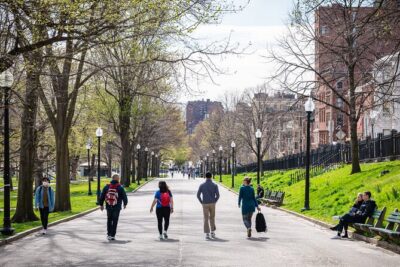
Boston Food & History: Pizza, North End & Freedom Trail
Read our review →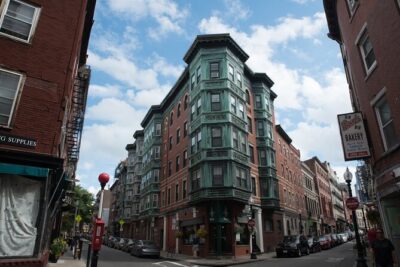
Boston North End Food Tour of 6+ Tastings, Cannoli, Lobster Roll
Read our review →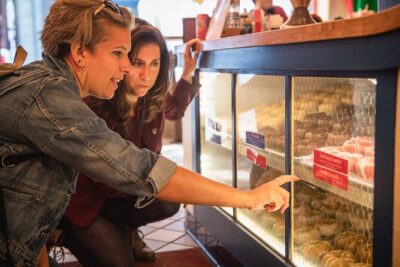
Boston’s North End Food Tour: Italian Flavors & Heritage Walk
Read our review →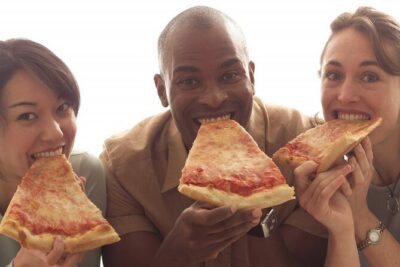
Boston Pizza Lovers Food and History Walking Food Tour
Read our review →
Boston’s Politically Incorrect North End Food Tour
Read our review →
North End & Little Italy Food Tour with Local Dishes
Read our review →Browse the lists this tour appears in