
Review · HISTORY TOURS IN SALEM
Secrets of Salem Hidden Dark History Tour
Salem’s darkest story is not confined to one museum or one witch trial memorial. This two-hour walk links judges’ homes, old civic buildings, a historic cemetery, literary landmarks, and the local feud between Salem Town and Salem Village that helped set the stage for the hysteria of 1692. The focus is history first, with spooky tales used to add atmosphere rather than replace the facts.
I like the way the tour moves beyond the usual witch trial script, and I like the small maximum group of 20. Guides including Mason, Danielle, John, and Sam have been praised for making the past easy to follow, adding local details, and keeping people engaged across different age groups. The main drawback is simple: you walk for about two hours, and one visitor had a serious problem when the meeting location did not match what they expected, so check your confirmation carefully.
Key points to know before you book
- The tour covers more than witchcraft: You’ll hear about Salem’s civic buildings, architecture, British Loyalists, Nathaniel Hawthorne, and local rivalries.
- The 1692 trials remain the central thread: The route explains the people and places tied directly to the accusations, trials, and punishments.
- The group is capped at 20 people: That gives you a better chance to hear the guide than on a large city walk.
- Guides add a strong local voice: Mason, Danielle, John, and Sam have each been praised for clear storytelling, humor, and personal knowledge of Salem.
- The walk ends at the Hawthorne Hotel: You start at 210 Essex Street and finish at 18 Washington Square West.
- The price is $32 per person: For two hours of guided history in central Salem, that is fair value, especially if you want context before exploring museums on your own.
Salem’s dark past begins with places, not props
The best feature of this tour is its sense of place. You are not simply hearing a condensed account of the witch trials while standing on an anonymous street corner. The route points out buildings connected to judges, sheriffs, loyalists, authors, and ordinary civic life.
That matters in Salem. The 1692 events are often presented as a spooky legend, but the real story is more unsettling because it involved real courts, real property, real accusations, and real people with power. A good guide can show how fear moved through a town and how later generations remembered, reshaped, or commercialized that past.
This walk also gives you a wider view of Salem. You’ll learn about the city’s early years, its architecture, the career of Nathaniel Hawthorne, and a rivalry between Salem Town and Salem Village. That broader frame helps explain why the tour is called a hidden dark history tour, even though several stops are well-known landmarks.
More History Tours in Salem
- History and Hauntings of Salem Guided Walking Tour
★ 5.0 · 14,564 reviews - Wicked Awesome Tours: Witch Trial History and Salem Haunts!
★ 5.0 · 1,032 reviews - 2.5-Hour Salem History & Sightseeing Guided Walking Tour
★ 5.0 · 850 reviews
The 1816 municipal building and Salem’s early years
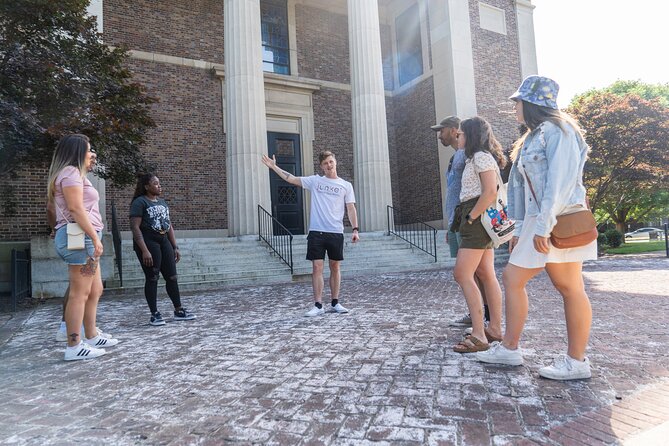
The first stop is Salem’s oldest original municipal building, built in 1816 and now available for private functions. Its importance is not just architectural. It offers a starting point for Salem’s civic story and for the way the town developed after its earliest colonial years.
Expect the guide to use the building as a doorway into Salem’s beginnings. This is useful because the witch trials did not happen in isolation. The town already had social divisions, religious tensions, property disputes, and arguments over local authority.
You may not spend a long time inside the building, and the tour does not include transportation or a stated interior visit. Still, seeing the structure from the street helps place Salem’s later history in a physical setting. If you like old public buildings and the mechanics of town life, this stop adds more than a quick photo opportunity.
The witch trial museum puts the hysteria in context
One stop is a museum devoted to the Witch Trials of 1692. It provides an overview of the accusations and prosecutions, including the way mass hysteria can take hold in a community.
This is an important part of the walk because Salem’s trial story has many names and dates. Without a clear framework, it is easy to lose track of who accused whom, which officials had authority, and how quickly suspicion spread. The museum helps organize that material.
The tour does not list admission to the museum as an included feature, so you should not assume that the $32 price covers entry. The guide’s discussion may take place near the museum or as part of the outdoor route. If you want a full indoor presentation, confirm the day’s arrangements before booking.
The guide’s role here is especially valuable. Danielle has been praised for explaining Salem’s history and witchcraft with clarity, while Mason has been credited with making the subject accessible to a mixed-age group. The quality of the storytelling matters more than any single ghostly detail.
The Witch House and Judge Jonathan Corwin
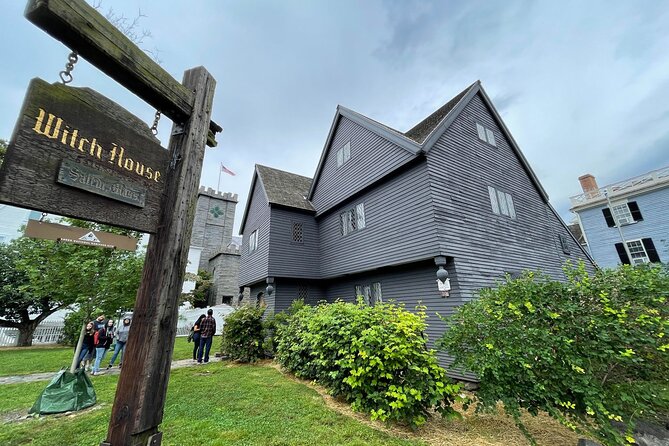
The route then reaches the only surviving Salem house with direct ties to the witch trials. Judge Jonathan Corwin lived here, and his role gives the building a grim importance.
Corwin was one of the judges involved in the trials. Seeing his home changes the scale of the story. Instead of thinking only about a distant courtroom or a page in a textbook, you can connect the legal process to the household of one of the men who helped shape it.
The guide also covers lesser-known miscarriages of justice from the trials. That is one of the strongest parts of the tour for anyone who already knows the basic Salem story. You are likely to hear less about theatrical superstition and more about the failures of evidence, due process, and judgment.
The house is a major stop, but you should check what is included if you hope to tour the interior. The information provided describes the location and its history, not an included admission.
Same city, a completely different afternoon:
- Salem’s Best Ghost Tour
★ 4.5 · 4,186 reviews - Salem Voodoo, Vampires, and Ghosts Guided Walking Tour
★ 5.0 · 1,931 reviews - Bewitched Walking Tour of Salem
★ 5.0 · 1,895 reviews - Satanic Salem Walking Tour
★ 5.0 · 1,635 reviews
The Ropes house and the cost of loyalty
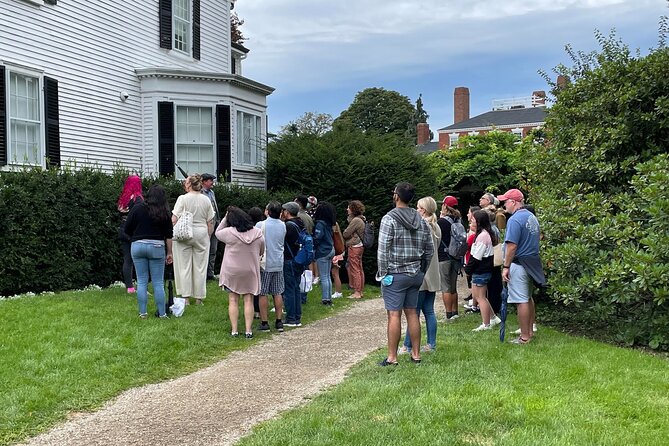
Another historic home belonged to Nathaniel Ropes, a local judge and staunch British Loyalist. The building was constructed about a century after Salem’s founding, roughly three decades after the witch trials, and Ropes acquired it after the original owner died.
This stop shifts the story from witch trial panic to the political strain surrounding the American Revolution. Ropes faced hostility from his fellow townspeople late in life because of his support for Britain. The guide connects the house to local tragedy and the consequences of choosing the unpopular side.
I like this change of subject. It keeps the tour from treating every old building as a haunted witch site. Salem’s dark history includes political pressure, social punishment, and personal loss, not just supernatural folklore.
The stop also gives you a chance to notice how much of Salem’s surviving architecture belongs to periods after 1692. That is useful context. A building can be important to Salem’s story even when it has no direct connection to the trials.
The Salem Athenaeum and Nathaniel Hawthorne
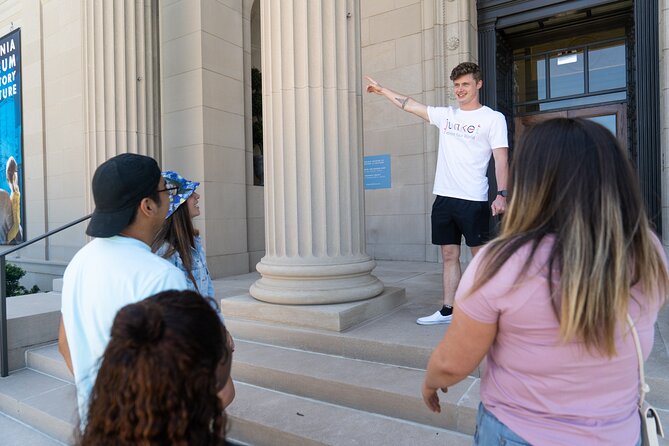
The walk includes the Salem Athenaeum, formed from the libraries of two separate societies. Nathaniel Hawthorne, author of The Scarlet Letter, once served as head of this prestigious institution during the 1800s.
This stop broadens the tour again, moving from judges and accusations to books, ideas, and Salem’s literary identity. Hawthorne’s connection is especially fitting because his work drew heavily on New England’s moral tensions and the weight of the past.
The Athenaeum also shows that Salem’s history is not only about what happened in 1692. The city became a place where people preserved, studied, and interpreted its past. You’ll get a better sense of how Salem’s old stories continued to shape its public image long after the trials ended.
If you enjoy literary history, this may be one of the more rewarding stops. If your main goal is ghost lore, it may feel like a pause in the spooky pace, but that pause is useful. It keeps the tour from becoming one-note.
George Corwin’s home and the sheriff’s role
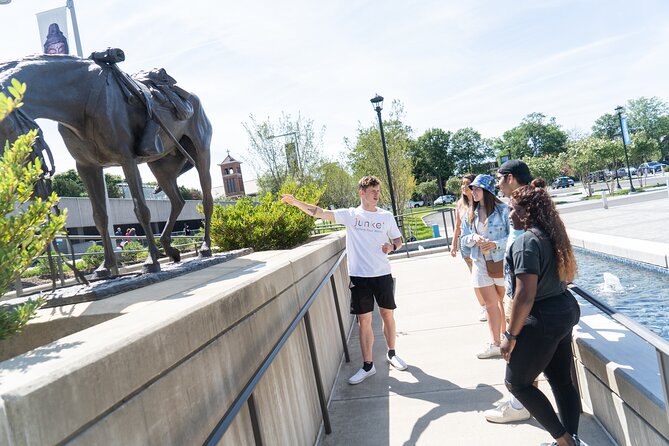
The land where another home was built once belonged to George Corwin, nephew of Judge Jonathan Corwin. George served as sheriff of Salem during the witch trials and was considered cruel in his treatment of people accused or convicted of witchcraft.
This connection gives you a sharper look at how the trials worked beyond the judges. Courts could issue decisions, but sheriffs and other officials carried out the arrests, imprisonments, and punishments. The machinery of persecution depended on more than one powerful figure.
The guide’s discussion here can help you separate the roles of the people involved. Jonathan Corwin was a judge. George Corwin was the sheriff. Their family connection also shows how authority was concentrated among a small group of local figures.
For me, this is exactly the kind of detail that makes a walking tour worthwhile. You might remember the famous names from books or films, but learning who held which office gives the story a more solid shape.
Howard Street Cemetery and the ghost of Judge Corwin
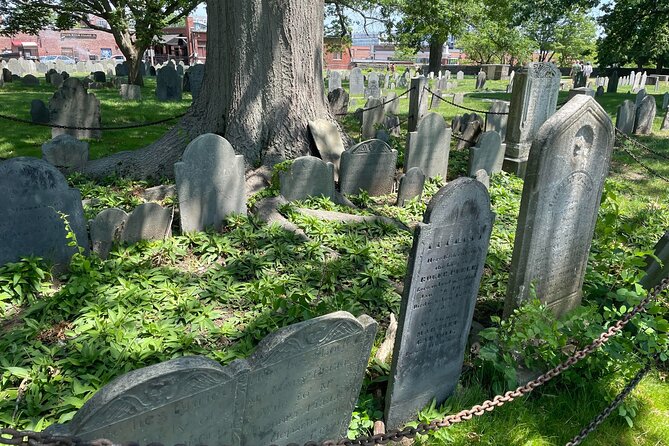
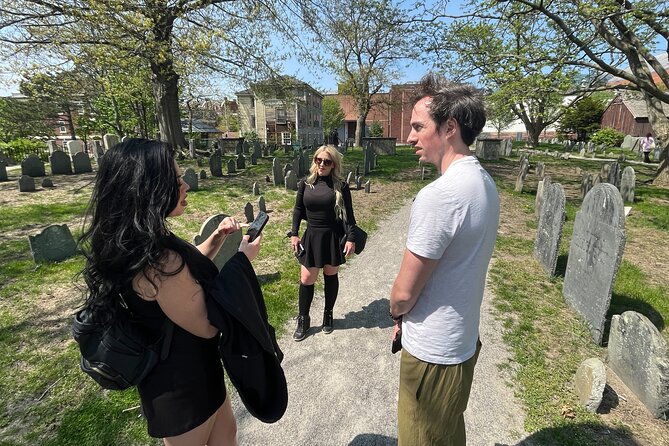
The cemetery dates to 1637, making it one of the oldest in the United States. It contains the graves of the second wife of Giles Corey and Judge Jonathan Corwin.
Giles Corey is one of the most disturbing figures connected with the trials. His death is often remembered for its brutal circumstances, while Corwin represents the authority behind the legal proceedings. Bringing both names into the cemetery gives the guide a chance to discuss memory, guilt, and the way Salem’s dead remain part of its public story.
You’ll also hear reports of people seeing Judge Corwin’s ghost among the graves. The tour treats this as part of Salem’s spooky tradition, but the cemetery’s real value is historical. The stones and burial grounds connect the dramatic stories to the people who lived and died here.
Wear comfortable shoes. The route is described as manageable, but it includes quite a bit of walking. Since the tour lasts about two hours, you will appreciate shoes that can handle pavement and uneven historic areas.
A later house with scandals of its own
One home on the route was built more than a century after the witch trials and has no direct connection to them. That is part of its appeal. The house has its own secrets and scandals, which lets the guide show that Salem’s unusual past did not end with 1692.
This stop helps set reasonable expectations. Not every building on the route is a witch trial site, and not every dark story is supernatural. Some are tied to social behavior, family conflict, reputation, or public scandal.
If you want an exact account of the house’s story, listen closely to the guide. The supplied details do not identify every incident, so the live explanation is where this stop gets its substance. That flexibility can be a strength, especially when guides such as John add small facts and local context to the formal history.
Salem Town, Salem Village, and the roots of hysteria
The rivalry between Salem Town and Salem Village is one of the most important ideas on the route. Their relationship may have helped create the tensions that fueled the witch trial hysteria.
This is the kind of background that makes the trials easier to understand. The accusations were not simply a sudden outbreak of fear. Local divisions and competing interests created a setting in which suspicion could spread.
The distinction between town and village can also confuse first-time visitors, since modern Salem feels like one place. The guide helps explain the older geography and social divisions. That is a good reason to take this tour early during a Salem visit, before you explore the city on your own.
The Hawthorne Hotel and Salem’s modern popular culture
The tour ends at the historic Hawthorne Hotel, named for Nathaniel Hawthorne. The hotel also appeared in an episode of the television series Bewitched filmed in the 1970s.
Ending here gives the route a lighter final note. After judges, accusations, cemeteries, and political conflict, you arrive at a landmark connected to Salem’s literary and popular culture.
The hotel is at 18 Washington Square West, while the tour begins at 210 Essex Street. Since the route is a walking experience and transportation is not included, the end point is most useful as a place to continue exploring downtown Salem or to plan your next stop.
Guides, group size, and the feel of the walk
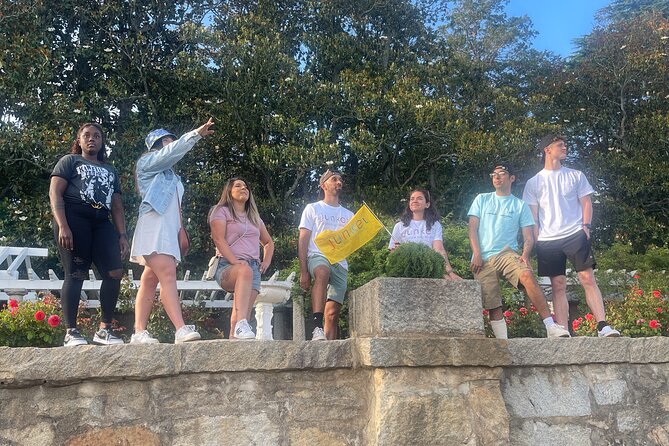
The guide can shape this experience more than any building. Mason has been praised for local knowledge, enthusiasm, and personal touches from growing up in the area. Danielle is known for a charismatic style and strong command of Salem’s history. John has been credited with humor, detail, and useful side facts, while Sam has been described as clear and informative.
The group limit is 20 people. That is not a private tour, but it is small enough to hear the guide more easily and ask questions without competing with a huge crowd. One particularly useful strength is the effort to keep a small group separate from larger tour groups.
The tone seems to vary slightly by guide. Some lean into the spooky side, while others focus more on civic, architectural, and political history. That is not a problem, but it means you should book this tour for a mix of serious history and ghostly atmosphere, not for a tightly scripted theatrical show.
Is $32 a fair price?
At $32 per person, the tour offers two hours of guided history in central Salem. I consider that a fair price if you want a clear introduction to the city and plan to visit other sites afterward.
The value comes from the connections between the stops. You are not paying only to see old houses. You are paying for an explanation of how judges, sheriffs, political loyalties, cemeteries, authors, and local rivalries fit together.
The price is less attractive if you want extended interior visits or admission to several museums. Transportation is not included, and the available information does not state that attraction entry fees are part of the cost. Think of the tour as an orientation walk with serious historical content.
The tour is offered in English and uses a mobile ticket. Confirmation is sent within 48 hours of booking, subject to availability. It is often reserved well ahead of time, with an average booking lead of 29 days, so popular dates may require planning.
Who should book this Salem walk?
I would recommend it to first-time visitors who want a firm grounding in Salem before choosing which museums and historic homes to enter. It also suits anyone who likes architecture, local politics, literary history, and ghost stories in the same two-hour package.
Families can enjoy it too. The reported age range has run from 14 to 55, with guides keeping different ages involved. The material is dark, so parents should decide if the trial punishments and stories of injustice suit younger children.
You should think twice if walking for two hours is difficult. The required fitness level is moderate, and there is quite a bit of walking. Service animals are allowed, and the meeting point is near public transportation, but the tour does not provide transportation.
Free cancellation is available if you cancel at least 24 hours before the start time. Within 24 hours, the amount paid is not refunded, and changes are not accepted.
Should you book the Secrets of Salem Hidden Dark History Tour?
Book it if you want Salem’s witch trials explained as part of a larger story. The strongest parts are the links between the 1692 trials, the Corwin family, Howard Street Cemetery, the Salem Town and Salem Village rivalry, and the later political and literary history of the city.
Skip it if you want a purely theatrical ghost walk or a tour built around long interior visits. This is a walking history lesson with spooky elements, not a haunted attraction.
For most visitors, I would take it near the start of a Salem stay. The route gives you useful context, introduces several places you may want to revisit, and ends at the Hawthorne Hotel in a central part of town. Just confirm the meeting point on your mobile ticket before setting out.
FAQ
How long does the tour last?
The tour lasts approximately two hours.
How much does the tour cost?
The price is $32 per person.
Where does the tour begin?
The meeting point is 210 Essex Street, Salem, Massachusetts 01970.
Where does the tour end?
The tour ends at the historic Hawthorne Hotel, 18 Washington Square West, Salem, Massachusetts 01970.
Is transportation included?
No. Transportation is not included. The experience is a walking tour.
What language is the tour offered in?
The tour is offered in English.
How large can the group be?
The maximum group size is 20 people.
Are service animals allowed?
Yes. Service animals are allowed.
What is the cancellation policy?
You can cancel for a full refund up to 24 hours before the experience start time. Cancellations or changes made within 24 hours are not accepted and are not refunded.
Newest Salem tours we have written up
- [ESP] History of Salem Witch Trials★ 4.0 · 5 reviews
- Tales of Salem Candyland Tour★ 4.0 · 8 reviews
- Private Walking Salem Legends Tour Professional Guide★ 5.0 · 3 reviews
- Salem Vintage Postcard Tours★ 5.0 · 8 reviews
- Spooky Ramen Tours★ 5.0 · 5 reviews
- Experience Authentic Salem Séance with Entry Pass★ 3.5 · 13 reviews
- Salem Witch Tour★ 5.0 · 6 reviews
- Salem Bewitched Tour With Tarot Reading★ 5.0 · 7 reviews
History Tours in Salem, compared.
History and Hauntings of Salem Guided Walking Tour
Read our review →
Wicked Awesome Tours: Witch Trial History and Salem Haunts!
Read our review →
2.5-Hour Salem History & Sightseeing Guided Walking Tour
Read our review →
Best Salem Witch Trials Historical Walking Tour
Read our review →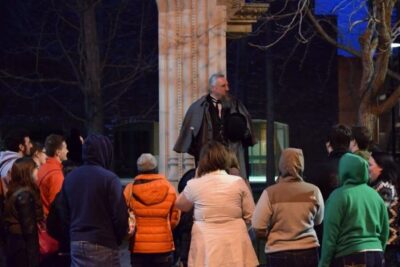
Salem Night Tour: Haunt and History Guided Night Tour
Read our review →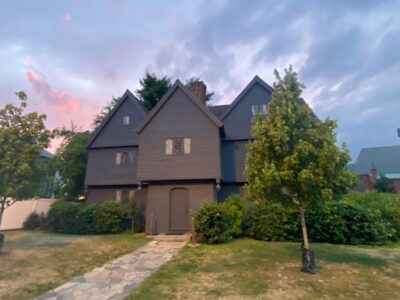
Salem, MA: History and Hauntings Guided Walking Tour
Read our review →

Browse the lists this tour appears in