
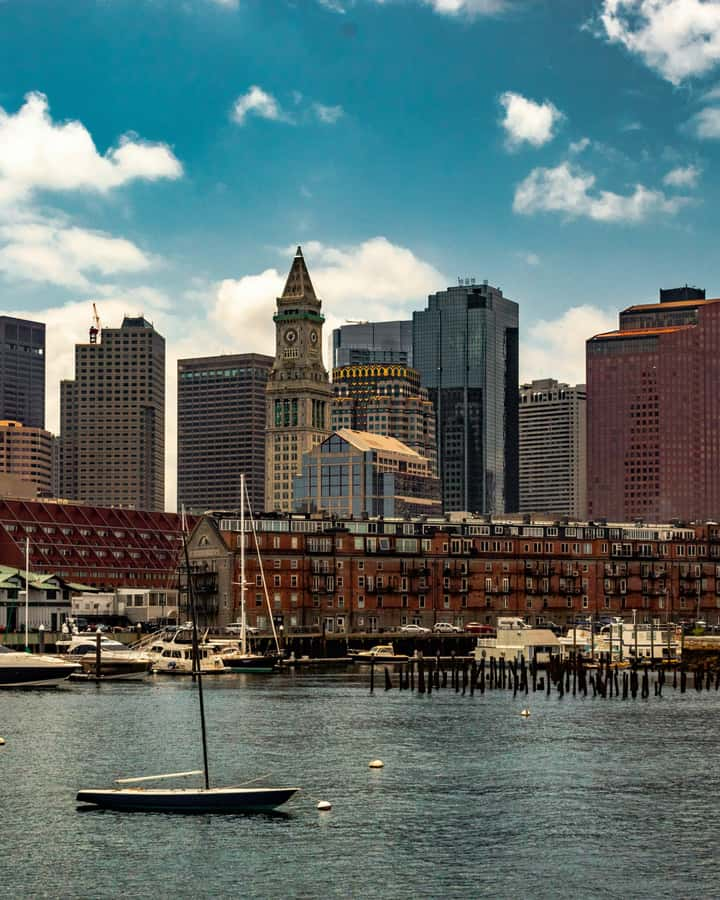
Review · BOSTON FREEDOM TRAIL TOURS
Boston: Top 10 Freedom Trail & ‘Cheers’ Guided Walking Tour
Boston’s best-known history comes alive on foot, from the Samuel Adams Statue and Faneuil Hall to the Old State House, Boston Common, and the Cheers bar in Beacon Hill. You get a brisk lesson in rebellion, public debate, and American independence, with a modern pop-culture finish.
I especially like the small-group format, which gives your guide room to answer questions and adjust the stories to the people in front of them. I also like the mix of serious history and lighter local color, including Barbara’s funny, personal approach and her ability to connect the tour to visitors from different places. The main drawback is the pace: two and a half hours of hills, cobblestones, stairs, and uneven pavement can be tiring, and this is not a good choice for travelers with mobility limits.
Key points at a glance
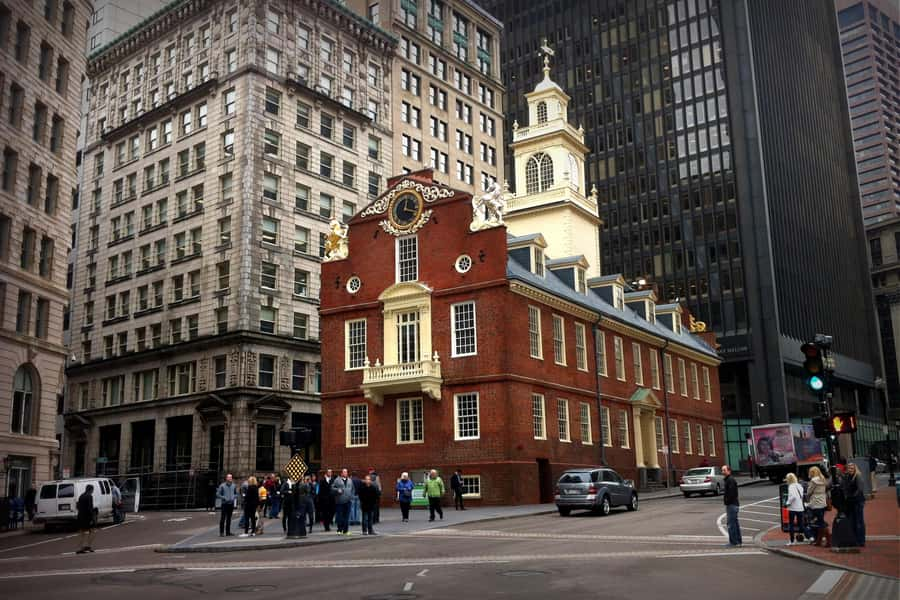
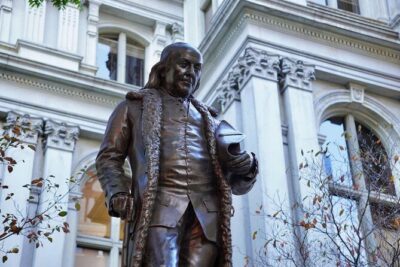
- Start beside Faneuil Hall: Meet at the Samuel Adams Statue, behind the Faneuil Hall Visitor Center.
- Follow major Freedom Trail sites: See Faneuil Hall, the Old State House, Old South Meeting House, and Boston Common.
- Hear the events behind the names: The guide covers the Boston Massacre, Boston Tea Party, the Declaration of Independence, and the Revolutionary era.
- Spend real time in Boston Common: The 40-minute stop gives you more than a quick photograph.
- Finish at Cheers: Enter the bar made famous by the television show, with admission included.
- Plan for a demanding walk: Comfortable shoes are essential, and the tour operates in all weather.
Why this Boston walk works well
At $51 per person, this tour sits in the middle of the price range for a guided city walk, but the value depends on how you use it. You are not paying for transportation or a meal. You are paying for a live English-speaking guide, a small-group setting, access to Cheers, and a focused route through several of central Boston’s key sights.
That can be a good deal if you want someone to explain what happened at each site instead of simply following a red line on the pavement. Boston’s Freedom Trail is easy to walk on your own, but the names and dates can blur together quickly. A guide helps connect Faneuil Hall to colonial debate, the Old State House to public declarations, and the Old South Meeting House to the rising conflict with Britain.
The tour also offers a useful balance. You get the serious material: rebellion, war, independence, and the Boston Massacre. Then you end at Cheers, a lighter stop with a clear connection to modern American popular culture. That combination makes the experience a good first look at Boston, especially if you have limited time.
The guide matters a great deal here. The strongest feedback centers on Barbara, who is described as funny, courteous, professional, and able to explain both the sites on the route and places beyond them. Her reported habit of tailoring stories to the group, including visitors from London, Minnesota, and Alabama, is exactly what makes a walking tour feel less mechanical.
More ways to walk the Freedom Trail
- Boston: Freedom Trail History Small Group Walking Tour
★ 5.0 · 6,450 reviews - Boston Freedom Trail Walking Tour with Costumed Guide
★ 4.5 · 2,531 reviews - Boston Food & History: Pizza, North End & Freedom Trail
★ 5.0 · 1,772 reviews
Starting at the Samuel Adams Statue
Arrive 15 minutes before the scheduled start. The meeting point is the Samuel Adams Statue at the rear entrance of the Faneuil Hall Visitor Center, near the corner of Congress Street and North Street in Dock Square.
This is a sensible place to begin. You are already beside one of Boston’s best-known public buildings, and the statue gives you a clear marker in a busy area. Do not wait until the last second. Late arrivals cannot be accommodated, and missed tours cannot be refunded or rescheduled.
Samuel Adams is also a useful figure for setting the tone. The tour uses people such as Adams, Paul Revere, George Washington, and others to explain how Boston became central to the movement for independence. The guide does not simply point out statues. You can expect the people and events to be tied to the streets around you.
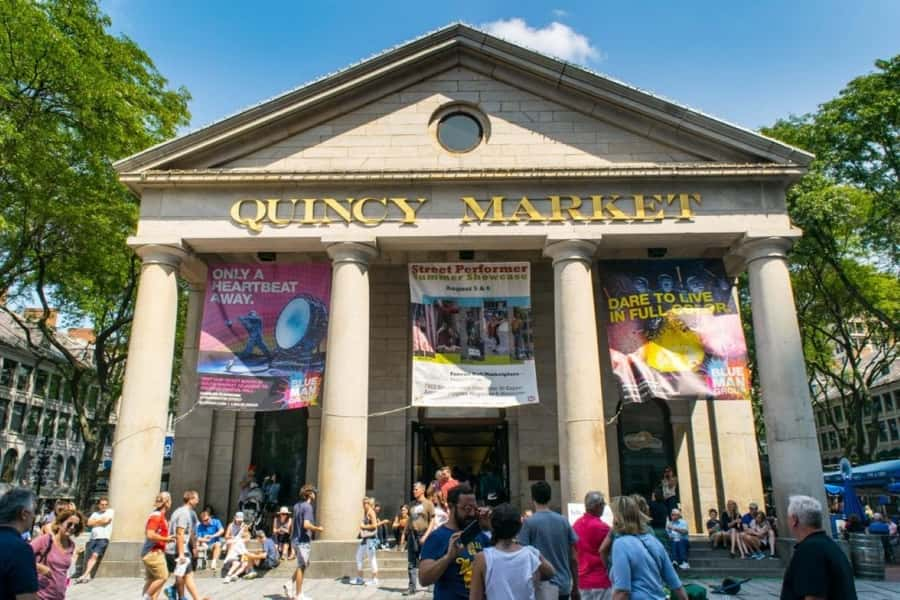
Faneuil Hall and Quincy Market
The first major stop is Faneuil Hall, with about 30 minutes for a guided visit and photographs. Known as the Cradle of Liberty, the building is tied to public meetings and political arguments that helped shape Boston before and during the Revolution.
Your guide can give the building more meaning than a quick exterior photograph allows. Look for the role of public speech and civic debate. Faneuil Hall is not just an old meeting place. It represents the way political ideas were discussed, challenged, and spread among ordinary citizens.
Nearby Quincy Market adds a different note. It is a practical and social part of the area, and the tour includes it among Boston’s major attractions. Food and drinks are not included, so do not count on the walk as a meal stop. If you want to eat here, plan to do so before or after the tour rather than expecting time for a full meal during the route.
The Faneuil Hall area can be busy, and the meeting point may feel crowded. That is another reason to locate the Samuel Adams Statue in advance. Once the walk begins, stay close to the guide, especially around busy pedestrian areas.
The Old State House and the Boston Massacre site
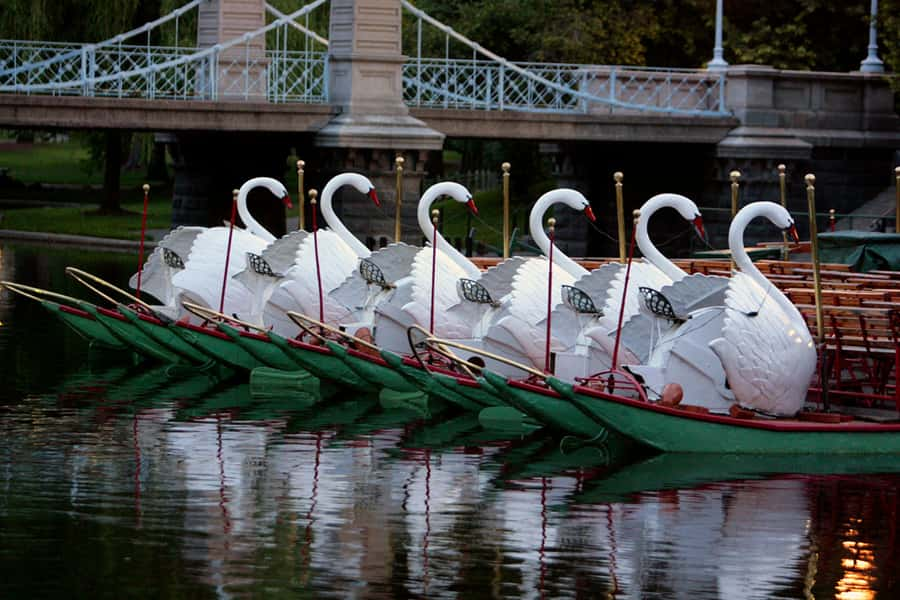
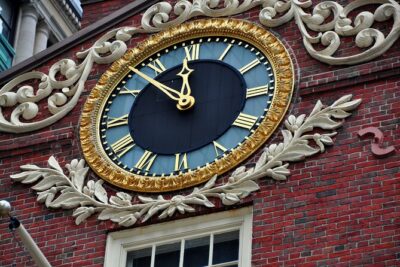
The Old State House receives about 25 minutes. This is one of the most important stops for understanding colonial Boston because it was a center of government and public life before independence.
The tour connects the building with George Washington and the first public reading of the American Declaration of Independence. That detail helps explain why the Old State House is more than an attractive old façade. It was a place where political power and public opinion met.
The Boston Massacre site is also part of the Freedom Trail discussion. This event became a powerful piece of colonial opposition to British rule, and a good guide can explain how an incident in Boston was turned into a wider political symbol.
This is where the guide’s storytelling style becomes especially important. Dates alone will not tell you why the event mattered. Listen for the link between the street, the crowd, the soldiers, and the way news and political images shaped public feeling.
More walking tours in Boston
- Harvard University Campus Guided Walking Tour
★ 4.5 · 3,632 reviews - The Full Revolutionary Story Epic Small Group Boston Walking Tour
★ 5.0 · 2,356 reviews - Boston’s Freedom Trail: A Revolutionary Walking Tour
★ 4.9 · 1,748 reviews - Boston: Freedom Trail History Small Group Walking Tour
★ 4.9 · 1,590 reviews
Old South Meeting House and the road to rebellion
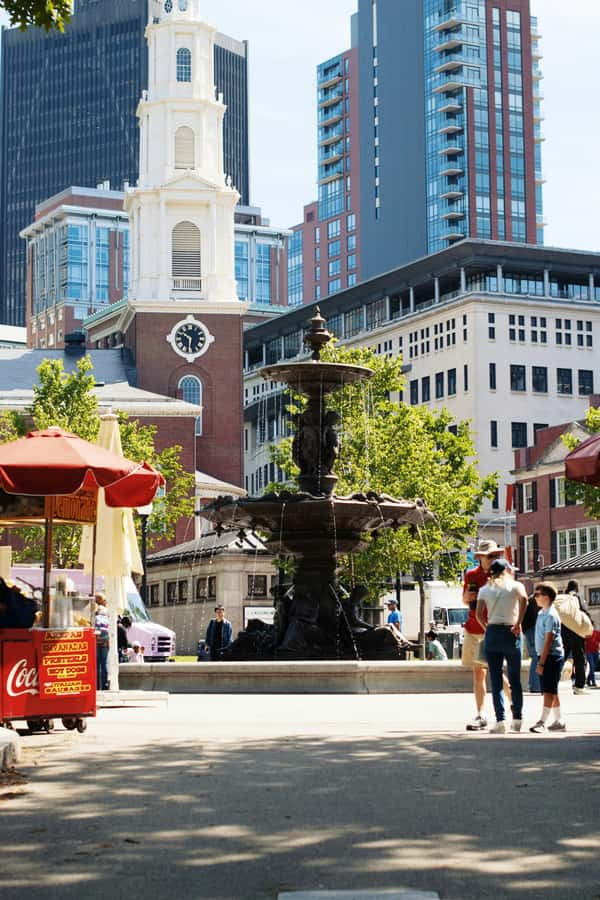
The Old South Meeting House is scheduled for about 20 minutes, including a guided visit and photo stop. It is connected to the Boston Tea Party and to the meetings that helped push Boston toward open resistance.
Admission to the Old South Meeting House is not included, so you should expect to view or discuss the site rather than automatically enter as part of the tour. The same note applies to entry tickets for the Old South Meeting House. Ask your guide what the group will see on the day, since the provided details specify that admission is separate.
The building still matters even if you do not go inside. It helps you picture how people gathered to argue over taxes, trade, and the authority of the British government. The tour’s value here comes from making the building part of a sequence: public debate at Faneuil Hall, government at the Old State House, and organized resistance at Old South Meeting House.
Boston Common and the graves of early leaders
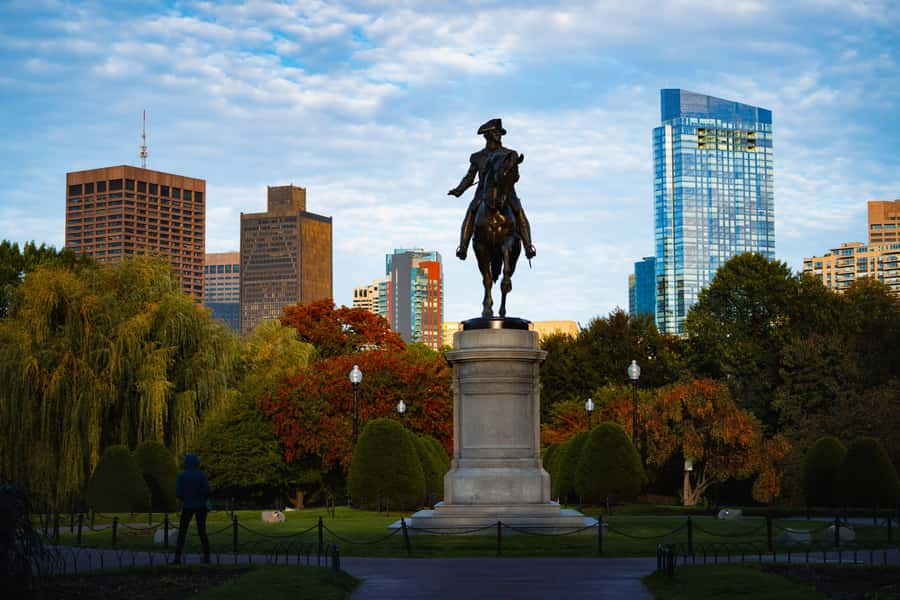
Boston Common receives the longest stop, about 40 minutes. It is identified as the oldest public park in the United States, and the tour uses it for several historic highlights rather than treating it as a quick crossing.
This is a welcome pause after the denser streets around Faneuil Hall. You have room to look around, take photographs, and hear stories connected to Paul Revere, Samuel Adams, and other important figures. The tour information specifically points to the graves of Paul Revere and Samuel Adams as highlights within Boston Common, though you should follow the guide’s instructions for the exact locations and route.
Boston Common also shows how Boston’s past remains part of everyday city life. It is a public park, not a museum set apart from the city. You get historical context while walking through a place people still use.
The 40-minute portion may be the most comfortable part of the walk for many people, but do not mistake it for an easy stroll. The full route includes uneven surfaces, cobblestones, hills, inclines, declines, and stairs. Wear shoes with good support. If you have back problems, are not used to regular exercise, or have a mobility impairment, this tour may not suit you.
Arriving at Cheers in Beacon Hill
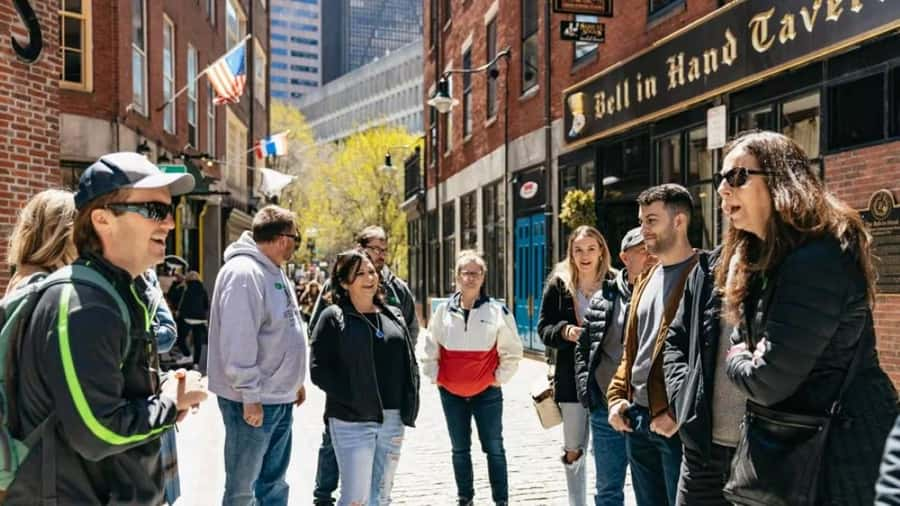
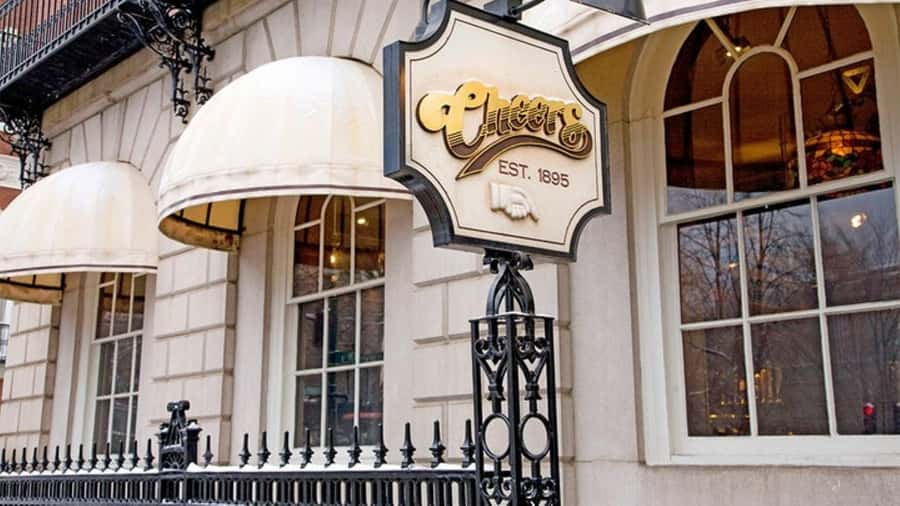
The final featured stop is Cheers, the bar made famous by the television series. Admission is included, and the scheduled visit lasts about 35 minutes.
The appeal is partly about the building and partly about the contrast with the earlier stops. After several hours of Revolutionary-era politics, the tour turns to a modern American television landmark. You can look around, take photographs, and hear how the real Boston location connects with the show that made the phrase everyone knows your name familiar around the world.
Keep your expectations realistic. This is a visit to a famous bar, not a full meal or a long drinking session. Food and drinks are not included, and the tour ends at Cheers according to the stop sequence. The meeting information also says the activity ends back at the meeting point, so confirm the exact end arrangement when booking.
The stop works best if you enjoy the contrast. Some people come mainly for the Freedom Trail and see Cheers as a fun extra. Others may be drawn by the television connection. Either way, it gives the tour a clear final moment rather than ending at another anonymous street corner.
How much walking and how difficult is it?
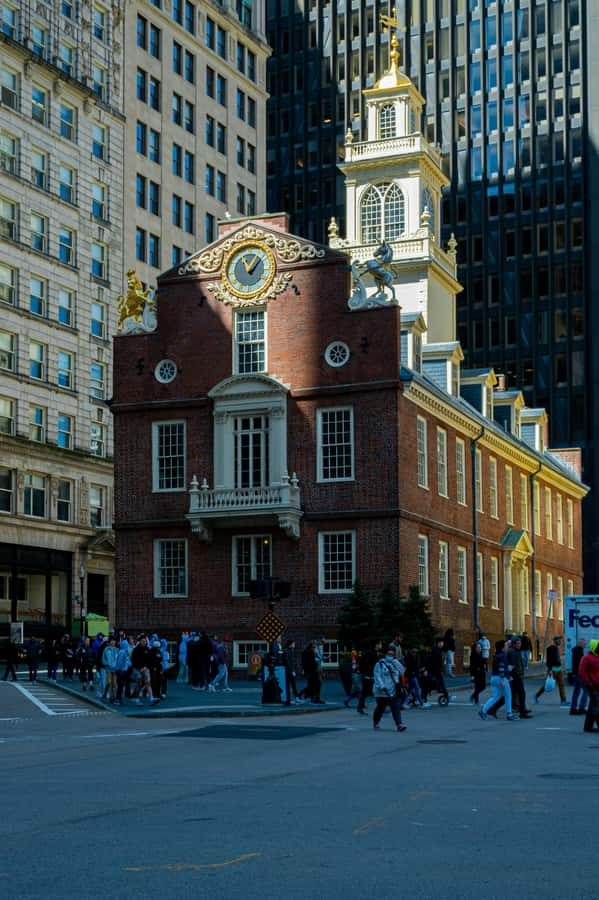
The stated duration is two and a half hours, and the route covers several central Boston sites on foot. There is no transportation and no hotel pickup or drop-off.
You should expect a steady walk with frequent stops. The tour operates in all weather, so check the forecast and dress accordingly. Comfortable shoes are essential, while a light rain layer or warm clothing may make the experience much easier on an unpleasant day.
The tour is not recommended for wheelchair users, people with mobility impairments, or people with back problems. Motorized scooters and other mobility devices are also not recommended because sidewalks, curbs, and footpaths may not have suitable ramps throughout the route. Oversize luggage, large bags, baby strollers, non-folding wheelchairs, non-folding strollers, and electric wheelchairs are not allowed.
Children under 18 must be accompanied by someone at least 18 years old. If you are planning a family visit, think about the walking conditions and length before booking.
Guide style and group atmosphere
The small-group setup is one of the strongest reasons to choose this experience. A large crowd can make a historic walk feel like a school assembly. A smaller group usually gives you a better chance to hear the guide, ask questions, and stay connected as the route moves through busy areas.
The best guide feedback focuses on humor, local detail, and personal attention. Barbara is specifically praised for combining historical explanation with local lore and for adapting stories to the people in her group. That kind of approach can make a difference in Boston, where several sites can look simple until someone explains what happened there.
Still, the experience depends on the guide assigned on your date. The tour promises a first-class local professional guide, but Barbara may not lead every departure. You should book this for the route and format first, with the guide’s personality as an important bonus rather than a guarantee.
Who should book this tour?
I would recommend it to a first-time Boston visitor who wants one efficient introduction to the city’s Revolutionary landmarks. It suits you especially well if you prefer history with a human voice, want a local guide to explain the sequence of events, and like finishing with a recognizable piece of television culture.
It is also useful for visitors who have only a half-day to spend in central Boston. The route puts several major sights into one organized walk, so you do not need to plan the order yourself. You can then return to the places that caught your interest.
I would be more cautious if you already know the Freedom Trail well or prefer to explore at your own speed. The route is fixed, the pace is organized around the group, and the walk can be physically demanding. You also need to budget separately for food, drinks, and any Old South Meeting House admission.
The cancellation policy is flexible: you can cancel up to 24 hours before the start for a full refund. Reserve now and pay later is also available, which helps if your Boston plans are still changing.
Final verdict: a lively first walk through Boston
Book this tour if you want the main Freedom Trail sights explained in plain language, with Boston Common, Faneuil Hall, and Cheers all included. The strongest features are the small group, the guide’s personal storytelling, and the balance between serious Revolutionary history and a lighter final stop.
Skip it if uneven streets, stairs, hills, or two and a half hours of walking will be a problem. Also skip it if you want a slow museum visit or a food tour. For an active first look at Boston, though, $51 is fair value, especially because Cheers admission is included and the guide helps turn a string of old buildings into a connected story.
FAQ
How long does the Boston Freedom Trail and Cheers tour last?
The tour lasts 2.5 hours. Starting times vary, so check availability for the date you want.
Where does the tour meet?
Meet at the Samuel Adams Statue at the rear entrance of the Faneuil Hall Visitor Center, near the corner of Congress Street and North Street in Dock Square.
How early should I arrive?
Arrive 15 minutes before the scheduled start time. Late arrivals cannot be accommodated.
What language is the tour conducted in?
The tour is conducted in English with a live guide.
Is admission to Cheers included?
Yes. Admission to Cheers is included in the tour price.
Are food and drinks included?
No. Food and drinks are not included.
Is admission to the Old South Meeting House included?
No. Entry tickets for the Old South Meeting House are not included.
Is the tour suitable for wheelchair users?
No. The tour is not recommended for wheelchair users, people with mobility impairments, or people with back problems. The route includes uneven surfaces, cobblestones, hills, inclines, declines, and stairs.
Newest Boston tours we have written up
- Boston’s Freedom Trail: A Self-Guided Audio Tour★ 4.0 · 18 reviews
- Boston’s Freedom Trail: A Self-Guided Tour of All 16 Sites★ 5.0 · 14 reviews
- Washington D.C. Cherry Blossom,Baltimore 3-Day Tour from Boston★ 4.5 · 7 reviews
- Boston Self-Guided Audio Tour Bundle: Freedom Trail & More★ 4.5 · 5 reviews
- True Crime Tour of Boston★ 4.0 · 17 reviews
- Family Friendly Guided Bike Tour of Boston★ 4.5 · 22 reviews
- Freedom Trail Experience★ 5.0 · 8 reviews
- Self-Guided Audio Tour of Boston North End★ 4.5 · 3 reviews
Boston Freedom Trail Tours, compared.
Freedom Trail History Small Group Walking Tour
Read our review →
Boston Freedom Trail Walking Tour with Costumed Guide
Read our review →
Boston Food & History: Pizza, North End & Freedom Trail
Read our review →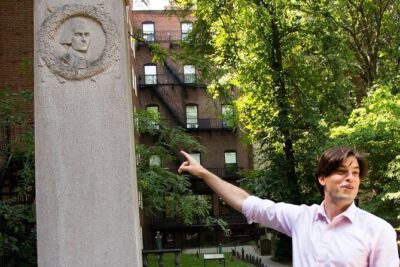
Boston’s Freedom Trail: A Revolutionary Walking Tour
Read our review →Freedom Trail History Small Group Walking Tour
Read our review →Boston’s Freedom Trail: A Revolutionary Walking Tour
Read our review →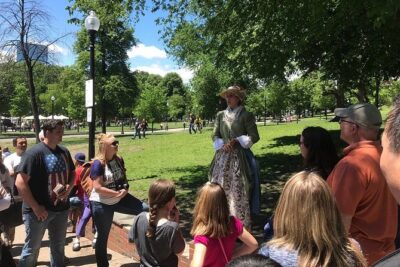
Boston Freedom Trail History Pub Crawl Small-Group Tour
Read our review →Browse the lists this tour appears in