
Review · BEACON HILL TOURS
Boston: Underground Railroad History Tour of Beacon Hill
Boston’s Beacon Hill tells a far bigger story than its elegant brick homes and pretty lanes suggest. This 2-mile walking tour follows the Black Heritage Trail through the former African-American community, connecting homes, schools, churches, and meeting places to the conflicts that helped lead the United States toward civil war.
I like the small-group format and the way the route links famous sights to less familiar places such as the Lewis and Harriet Hayden House and Smith Court. I also like the guides’ teaching style. Will, Dana, Joe, and William are praised for clear storytelling, visual aids, lively demonstrations, and thoughtful answers.
The main drawback is physical, not historical: you walk outdoors for about 150 minutes over steep hills and uneven, non-ADA-compliant sidewalks. The tour runs rain or shine, and the Underground Railroad gets less attention than some people may expect.
Key things to know before you go

- Follow the Black Heritage Trail: Visit 10 important landmarks tied to Boston’s Black community and the fight against slavery.
- Hear the story at street level: Homes, schools, churches, and meeting halls give the past a human scale.
- Expect a serious history lesson: The tour focuses on slavery, abolition, education, segregation, and the political tension before the Civil War.
- Allow three hours, even though the listed duration is 150 minutes: The walk can vary in length but will not exceed three hours.
- Wear sturdy, comfortable shoes: Beacon Hill’s slopes and old sidewalks are part of the route.
- Plan for an outdoor experience: Museum interiors are not included, and the tour operates in all weather.
Why Beacon Hill is the right place for this story
The tour begins at the Soldiers and Sailors Monument in Boston Common, close to the Boston Common Visitors Center at 139 Tremont Street. Look for the tall white granite column topped by a female figure holding a flag, with four bronze figures around its base.
This is a useful meeting point. Boston Common is easy to reach, and the open space gives the guide room to gather the group before heading into Beacon Hill. It also sets up the central contrast of the walk: the route moves from a broad public park into narrow residential streets where Black Bostonians built families, institutions, businesses, and political networks.
The first section covers the three decades before the American Civil War. Your guide explains how slavery, racial equality, education, integration, and anti-slavery politics shaped Boston life. This is not just a tour of old buildings. It is a walk through a national argument that was playing out on doorsteps and in schoolrooms.
I appreciate that the tour does not treat Boston as a simple hero in the anti-slavery story. The city had strong abolitionist voices, but racial inequality still affected daily life. That tension gives the walk its value. You see both the city’s role in the fight against slavery and the barriers Black residents had to challenge at home.
More Beacon Hill tours
- Downtown Freedom Trail, Beacon Hill & Back Bay Walking Tour
★ 4.5 · 473 reviews - 2-Hour Beacon Hill True Crime Expert Guided Tour
★ 5.0 · 182 reviews - Beacon Hill Boston History + Photo Walking Tour (SMALL Group)
★ 5.0 · 163 reviews
Boston Common to Louisburg Square
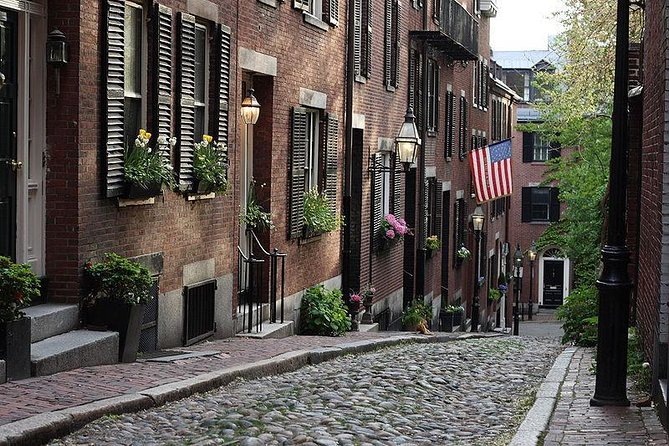
After a short introduction in Boston Common, the route heads toward Mount Vernon Street and Acorn Street. These early stops help you get your bearings in Beacon Hill while the guide explains how the neighborhood’s grand appearance can hide the lives of people who lived and worked there.
Acorn Street is one of Boston’s most photographed lanes. Its cobbles and narrow scale make it an attractive stop, but the tour uses it for more than a picture. Here, the guide shifts your attention from architecture to the people who moved through these streets and the social divisions that shaped the neighborhood.
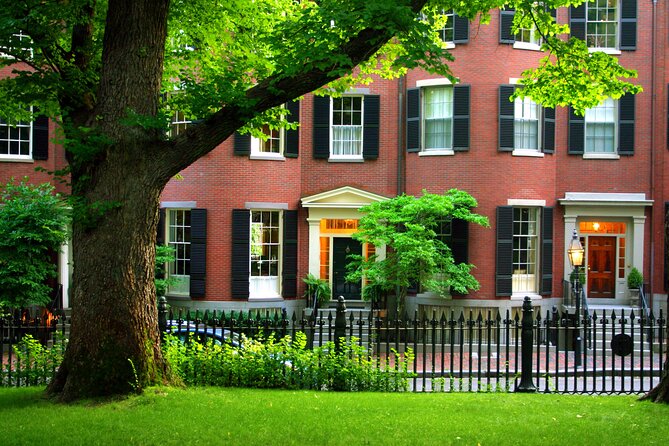
Louisburg Square brings another change in tone. The square is associated with Beacon Hill’s wealth and refined homes, making it a useful counterpoint to the Black community located only a short walk away. The point is not simply that rich and poor lived close together. It is that proximity did not mean equal access to schools, public life, political power, or personal safety.
The stops on Mount Vernon Street, Acorn Street, and Louisburg Square are short, usually five to ten minutes each. They work best as context rather than as long building visits. You will spend more time listening than entering sites.
Phillips School and the fight over education
The Phillips School stop gives the tour a sharper focus. Here, the guide explores the struggle for equal education and the debates over racial integration. This is one of the places where the broader political conflict becomes personal.
Education was not a side issue in the years before the Civil War. Access to schooling affected work, civic participation, independence, and the future prospects of children. The guide places the local debate within the larger fight for equality, helping you see why schools became such important sites of protest and organizing.
The tour then reaches the John J. Smith House. This stop connects you with a prominent Black Bostonian and gives the guide another chance to show how individual homes served as places of leadership and community activity. The experience is strongest when you focus on the people who lived here, rather than expecting grand interiors or elaborate displays.
The route remains outdoors, and admission inside museums is not included. If you want polished exhibits and long periods of quiet reading, this is not that kind of experience. The payoff comes from hearing the guide connect one address to the next.
Meeting houses, Charles Street, and Underground Railroad homes
At the Charles Street Meeting House, the tour turns toward religion, community life, and public debate. The stop lasts about 15 minutes, enough time for the guide to explain why meeting houses mattered to Boston’s Black residents and reform movements.
From there, you continue along Charles Street to the John Coburn House. The route then reaches the Lewis and Harriet Hayden House, one of the most important Underground Railroad-related stops on the walk. You hear about the risks faced by people who resisted slavery and about the homes that offered shelter and support.
The Underground Railroad was not a literal railroad, and this tour makes that point through place and story. The route shows how a private house could take on political importance. A doorway, a family, and a network of allies could become part of a much larger act of resistance.
One useful expectation to set: the tour gives the Underground Railroad its proper place within the wider story, but it is not a tunnel-and-train adventure. The focus is on the people, choices, and dangers behind the term. If that is the part of American history you most want to study, ask questions as you go. The guides are set up for discussion, and several have been praised for giving careful answers rather than rushing from stop to stop.
The Otis House Museum and Old West Church appear as pass-by sights. You will not get a full indoor visit, but they help mark the changing streetscape as you continue toward Charles Sumner’s former home.
More history tours in Boston
- Boston: Freedom Trail History Small Group Walking Tour
★ 5.0 · 6,450 reviews - Tour of Historic Fenway Park, America’s Most Beloved Ballpark
★ 4.5 · 3,013 reviews - Boston Food & History: Pizza, North End & Freedom Trail
★ 5.0 · 1,772 reviews - Boston: City Cruises Historical Sightseeing Cruise
★ 4.6 · 1,771 reviews
Charles Sumner and the political battle before the Civil War
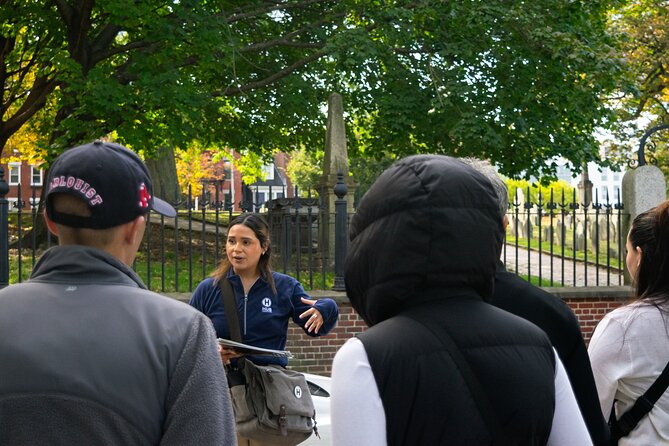
The Charles Sumner House is another substantial stop, lasting about 15 minutes. The guide uses it to explain the rise of anti-slavery political movements and the difficult choices facing people who opposed slavery in a country increasingly split over the issue.
This part of the tour helps prevent the story from becoming a list of sympathetic individuals. You learn how political movements grow, how public arguments become personal, and how Boston’s abolitionist activity fit into the national crisis. The guide also explains the limits and tensions inside the reform movement, rather than presenting every anti-slavery figure as part of one united cause.
I find this section especially useful if you already know the basic Civil War timeline. Instead of repeating dates and battles, it shows how the conflict gathered force in ordinary urban settings. A home, school, or church could become a meeting place for ideas that were deeply threatening to the existing order.
Smith Court, Abiel Smith School, and the African Meeting House
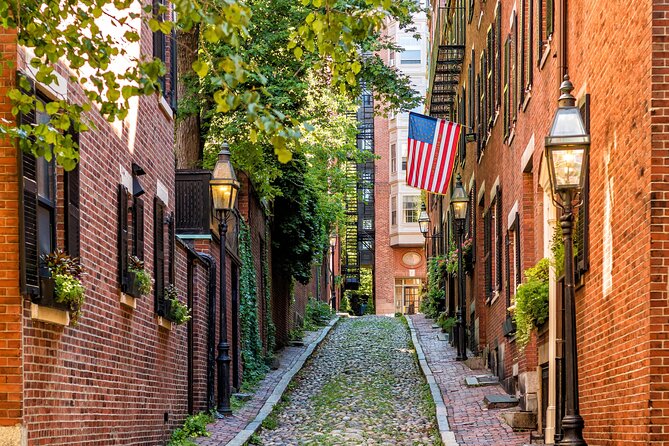
Smith Court Residences and the Abiel Smith School form the heart of the Black Heritage Trail portion of the walk. These stops focus on daily community life and the fight for education, giving you a closer look at how Black residents built institutions in a city that did not offer equal treatment.
The Abiel Smith School is particularly important because it brings the education debate back into view. The guide explains the pressure for better access and fair treatment, along with the arguments over separate and integrated schooling. You begin to see how the struggle involved parents, children, teachers, activists, and political leaders.
The African Meeting House is the longest indoor-oriented stop in the schedule, with about 20 minutes set aside for a break and guided visit. It is one of the essential landmarks on the route and a natural place to pause after the narrow streets and hills of Beacon Hill.
The building gives the tour a strong sense of place. A meeting house is not only a religious site. It can also serve as a center for organizing, education, debate, and mutual aid. Your guide uses the setting to tie together the people and causes introduced earlier in the walk.
Museum admission is not included, so check the exact format of your visit when you book. The supplied tour details describe a guided stop and break, but not a separate museum admission. Do not assume that every building on the route will offer a full interior tour.
George Middleton House and the return to Boston Common
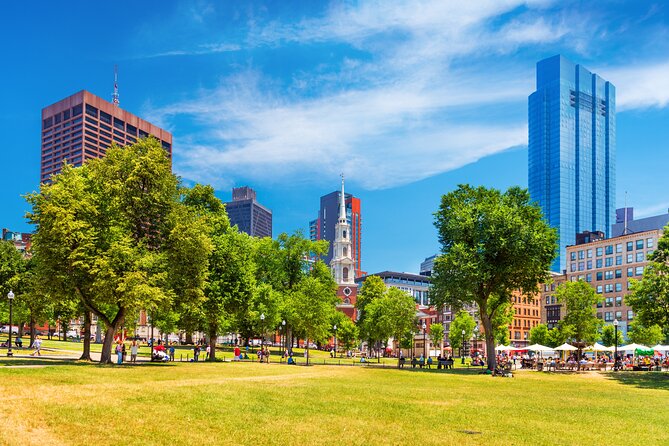
The George Middleton House comes next, with about 15 minutes of guided discussion. It adds another personal story to the route and reinforces a useful theme: Boston’s Black past is not limited to a handful of famous abolitionists. The neighborhood was shaped by many residents who worked, organized, raised families, and pushed for equal treatment.
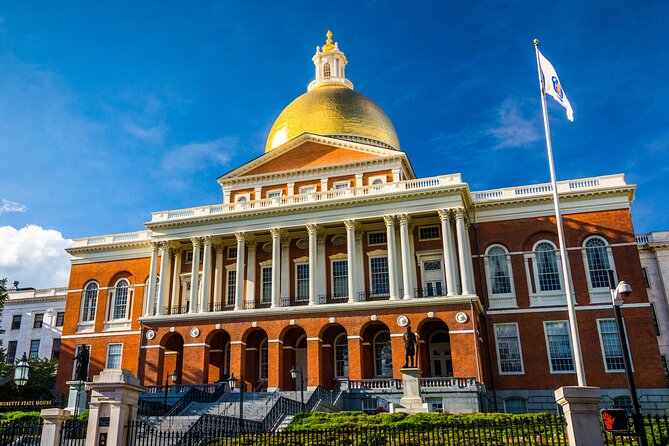
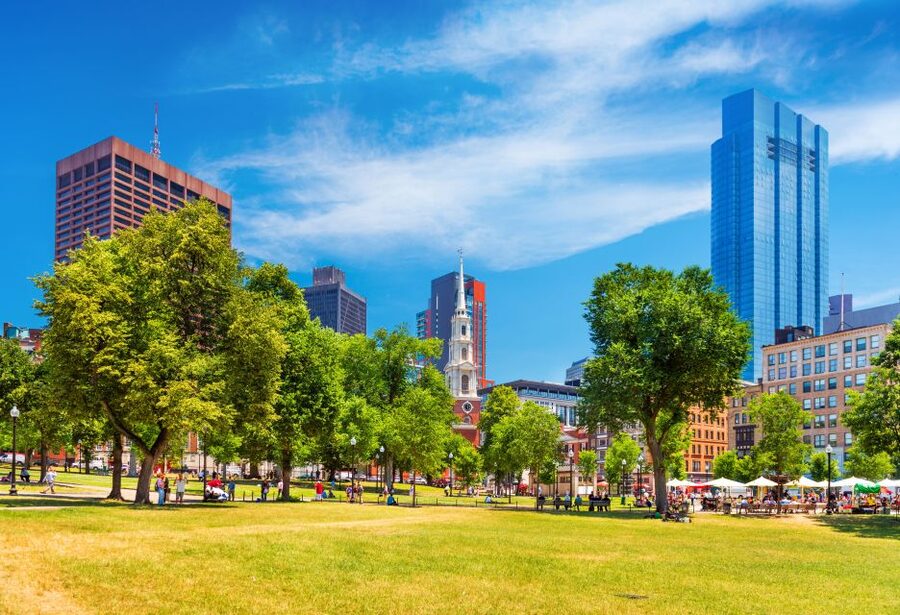
As the tour leaves Beacon Hill, you get scenic views of Park Street Church and pass the Massachusetts State House. These sights help connect the neighborhood story to the institutions and public spaces of the wider city.
The loop ends at the Robert Gould Shaw and the 54th Massachusetts Regiment Memorial on Boston Common. Allow about 20 minutes here. The monument provides a powerful closing point because it shifts the story from the decades before the war to Black military service during the Civil War.
The memorial also gives the guide a chance to tie together the themes of citizenship, sacrifice, and the long fight for recognition. Ending here makes sense geographically and historically. You return almost to the starting point, but with a different view of the park and the city around it.
The guides make or break this walking tour
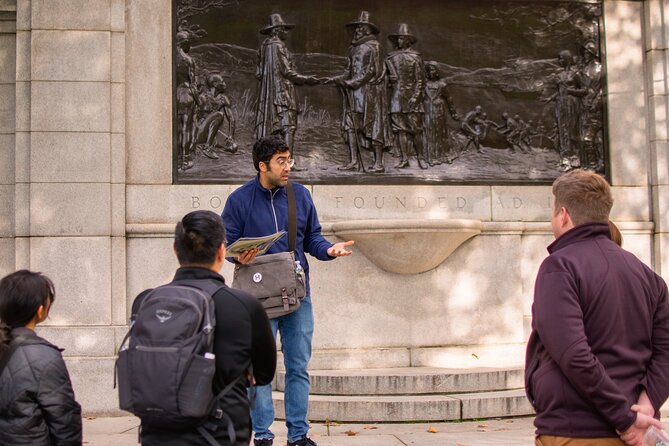
This experience depends heavily on the person leading it. The guides named in the tour feedback include Will, Dana, Joe, and William. Each is described as prepared, passionate, and willing to answer questions, with Will receiving especially strong praise for bringing scenes and individuals to life.
You may hear a guide act out parts of a story or use visual aids to make names and events easier to follow. That style will suit you if you prefer history with a human voice rather than a formal lecture. The guides also appear comfortable with questions, which matters on a subject as complicated as race, slavery, abolition, and national politics.
The small-group setting helps. You are not trying to hear a guide over a large crowd, and the route can move through Beacon Hill without becoming a parade. The walking pace is generally designed to allow conversation and stops, though the hills still require reasonable fitness.
Is the $35 price good value?
At $35 per person, this is a fair price for a 150-minute guided walk led by a local historian. You are paying for interpretation, not expensive admission tickets or transport. The route covers many landmarks, and the guide provides the connections that you would miss by looking at house plaques on your own.
The value is strongest if you want a focused introduction to Boston’s Black history. In one outing, you cover schools, homes, meeting houses, political figures, the Underground Railroad, and the 54th Massachusetts Memorial. You also avoid spending time planning a route through Beacon Hill’s steep and confusing streets.
The price is less appealing if you mainly want to enter historic buildings or visit museum galleries. Several sites are seen from the street or passed along the way, and indoor admission is not included. In that case, treat this as a guided orientation and plan separate museum visits if you want more time inside.
You can cancel up to 24 hours before the start for a full refund, and you can reserve now while paying later. Those policies are useful if Boston weather or your schedule remains uncertain.
Practical advice for the walk
Wear comfortable shoes with good grip. Two miles may not sound demanding, but Beacon Hill includes steep hills, old sidewalks, and uneven surfaces. The route is not suitable for wheelchair users or people with mobility impairments, and it is not a good choice if you have a low level of fitness.
Dress for the forecast. The entire experience is outdoors apart from the nature of the stop at the African Meeting House, and the tour runs rain or shine. Bring weather-appropriate clothing rather than relying on a sunny morning to last.
Do not bring luggage or large bags. Video recording is not allowed, so plan to listen and take limited written notes instead. English is the only stated tour language.
Children under six cannot join. Older children may appreciate the stories, but the subject is serious and the walking pace is better suited to people who can stay engaged for up to three hours.
Who should book this Beacon Hill tour?
I would choose this tour if you want more than Boston’s Revolutionary-era landmarks. It is a strong fit for anyone interested in Black American history, abolition, the Underground Railroad, education rights, or the political road to the Civil War.
It also works well for a short Boston visit. The meeting point is central, the route returns to Boston Common, and you see a large share of the Black Heritage Trail in one outing. Local residents can benefit, too. The tour covers material that can be easy to overlook, even if you already know the city well.
I would skip it if you need step-free access, dislike walking in bad weather, or want a museum-heavy experience. I would also adjust your expectations if your main interest is the Underground Railroad alone. That subject is part of the tour, but the larger focus is Boston’s Black community and the political and social conflicts before the Civil War.
FAQ
How long does the tour last?
The listed duration is 150 minutes, or two and a half hours. The timing can vary, but the tour will not last more than three hours.
How far do you walk?
The route covers approximately 2 miles, or 3.2 kilometers, through Boston Common and Beacon Hill.
Where does the tour begin?
Meet at the Soldiers and Sailors Monument in the center of Boston Common, near the Boston Common Visitors Center at 139 Tremont Street.
Where does the tour finish?
The tour ends at the Robert Gould Shaw and the 54th Massachusetts Regiment Memorial on Boston Common.
What landmarks are included?
The route includes the Black Heritage Trail, Phillips School, the John J. Smith House, Charles Street Meeting House, the John Coburn House, the Lewis and Harriet Hayden House, Charles Sumner House, Smith Court Residences, Abiel Smith School, African Meeting House, and George Middleton House. It also passes the Otis House Museum, Old West Church, Park Street Church, and Massachusetts State House.
Is the tour accessible for wheelchairs?
No. The route has steep hills and sidewalks that are not ADA compliant. It is not suitable for wheelchair users or people with mobility impairments.
Does the tour run in bad weather?
Yes. The tour operates rain or shine and takes place outdoors, so wear weather-appropriate clothing.
Is museum admission included?
No. Admission inside museums is not included. The tour price covers the guided walking experience and the listed trail and neighborhood stops.
Can I cancel the booking?
Yes. You can cancel up to 24 hours in advance for a full refund. You can also reserve now and pay later.
Newest Boston tours we have written up
- Boston’s Freedom Trail: A Self-Guided Audio Tour★ 4.0 · 18 reviews
- Boston’s Freedom Trail: A Self-Guided Tour of All 16 Sites★ 5.0 · 14 reviews
- Washington D.C. Cherry Blossom,Baltimore 3-Day Tour from Boston★ 4.5 · 7 reviews
- Boston Self-Guided Audio Tour Bundle: Freedom Trail & More★ 4.5 · 5 reviews
- True Crime Tour of Boston★ 4.0 · 17 reviews
- Family Friendly Guided Bike Tour of Boston★ 4.5 · 22 reviews
- Freedom Trail Experience★ 5.0 · 8 reviews
- The Ghosts of Boston’s Past Haunted Self-guided Tour★ 3.5 · 4 reviews
Beacon Hill Tours, compared.
Downtown Freedom Trail, Beacon Hill & Back Bay Walking Tour
Read our review →
2-Hour Beacon Hill True Crime Expert Guided Tour
Read our review →
Beacon Hill Boston History + Photo Walking Tour (SMALL Group)
Read our review →
Underground Railroad History Tour of Beacon Hill
Read our review →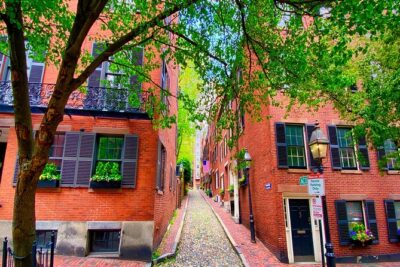
Beacon Hill + Back Bay History + Photo Walking Tour(SMALL Group)
Read our review →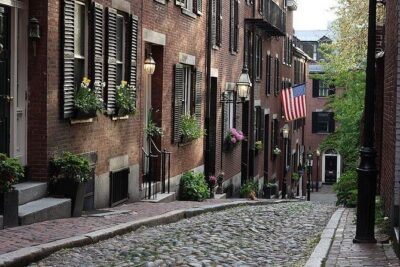
Self-Guided Boston’s Beacon Hill Underground Railroad Audio Tour Walking Tour
Read our review →
Browse the lists this tour appears in