

Review · BEACON HILL TOURS
Self-Guided Boston’s Beacon Hill Underground Railroad Audio Tour Walking Tour
The most powerful part of this Beacon Hill walk is its sense of place. You hear about people who sheltered freedom seekers, then stand outside the homes where those acts took place. The route makes Boston’s Underground Railroad feel like a local network of courage, not a distant chapter in a textbook.
I like the self-guided freedom and the strong storytelling. You can begin when it suits you, pause for photos, and return to a passage if you miss something. The narration uses several voices and gives you optional extra material about the people involved. The main caution is the app: most people find it clear, but a few have had trouble with activation, registration, or following the route.
Key points
- A $9.75 private tour for your own group: No guide or shared group is involved, so you set the pace.
- Nine meaningful Beacon Hill stops: The route includes the homes of John J. Smith, Lewis Hayden, Leonard Grimes, and John Coburn.
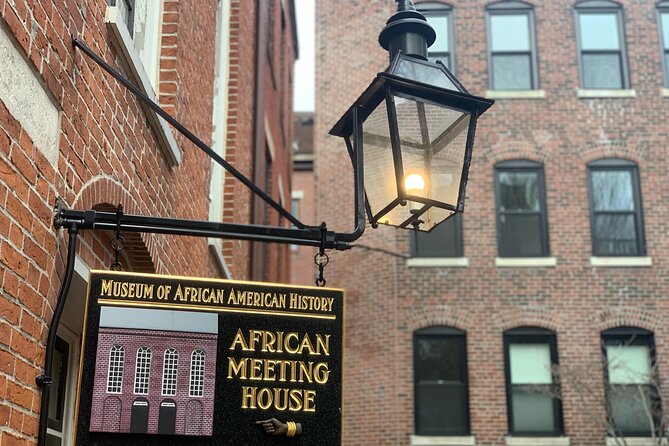
- A strong finish: The walk ends at the African American Meeting House, the oldest surviving Black church building in America.
- Dramatic, location-aware narration: The WalknTours app uses GPS, varied voices, pictures, directions, and optional extra material.
- Plan for hills and about an hour: The route takes roughly 45 to 55 minutes, with walking on Beacon Hill streets and some uphill sections.
- Prepare the app before reaching Charles Street: The ticket instructions tell you how to download WalknTours and enter your code.
Why Beacon Hill tells this story so well
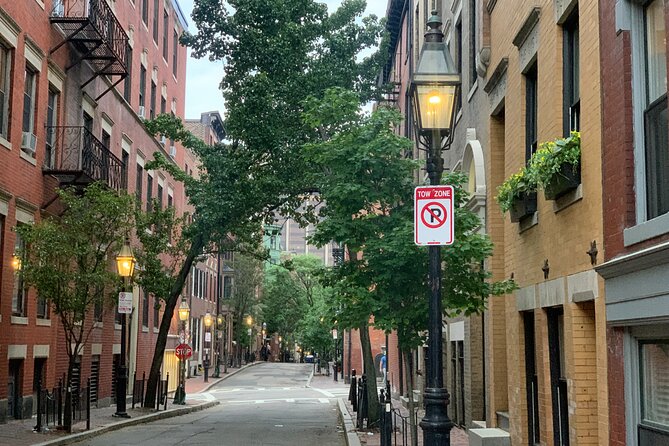
Boston’s Beacon Hill is often associated with handsome brick homes and quiet streets. This walk asks you to look again. Behind those tidy facades were boarding houses, meeting places, schools, private homes, and businesses tied to Boston’s African American community and the Underground Railroad.
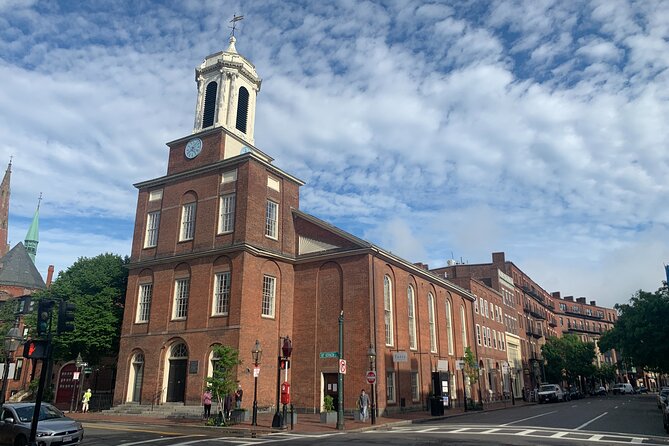
The route begins at the Charles Street Meeting House, at 70 Charles Street. From there, your phone leads you through a compact section of Beacon Hill, using narration instead of a person walking beside you. The tour ends at 46 Joy Street, home of the African American Meeting House.
That format matters. You are not just hearing a list of dates while moving from one address to the next. The audio explains how the Underground Railroad worked and introduces the people who acted as conductors and station masters. It also makes clear that the name refers to a secret network of assistance, not an actual train beneath Boston.
You should allow 45 to 55 minutes for the route. The walk can take longer if you stop to study buildings, listen again, or use the extra information about the people mentioned. Since your group is the only group on the activity, you do not have to keep up with a guide or strangers.
More Beacon Hill tours
- Downtown Freedom Trail, Beacon Hill & Back Bay Walking Tour
★ 4.5 · 473 reviews - 2-Hour Beacon Hill True Crime Expert Guided Tour
★ 5.0 · 182 reviews - Beacon Hill Boston History + Photo Walking Tour (SMALL Group)
★ 5.0 · 163 reviews
Starting at the Charles Street Meeting House
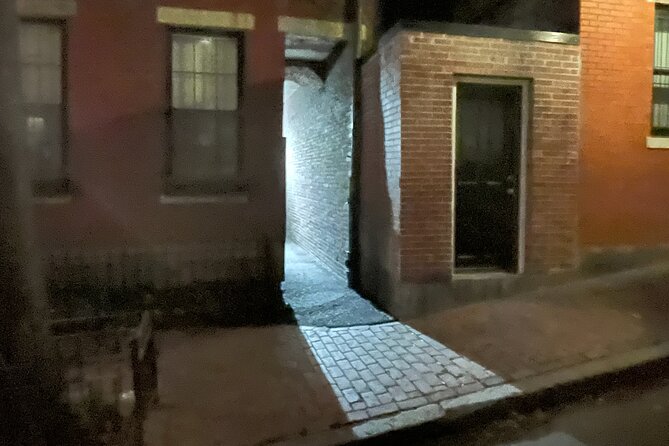
The Charles Street Meeting House is a fitting place to begin. You receive the basic story of the Underground Railroad and learn how people in Boston helped those seeking freedom. The opening gives you the framework needed for the stops that follow.
The app is designed to guide you from one location to the next. An arrow points toward the next stop, which is useful if you drift off course. Still, I would not wait until you are standing on the corner to solve technical problems. Open the ticket instructions in advance, download the WalknTours app, and enter the experience code before you start.
The tour is offered in English only. It works best for visitors who are comfortable listening to spoken narration while walking and occasionally checking a phone for directions. Service animals are allowed, and the route is near public transportation.
John J. Smith and the working network
One early stop focuses on the John J. Smith House. You learn about Smith’s role as a station on the Underground Railroad and the people he helped.
This is one of the route’s useful choices. Instead of presenting freedom seekers as an anonymous group, the narration connects the work to a specific home and a specific person. You begin to understand the risks involved in offering shelter, passing along information, or helping someone move to the next safe place.
The address is also a reminder that this work took place in ordinary residential surroundings. There is no grand museum setting here. You are looking at a Beacon Hill location and using the audio to supply the story that the street itself cannot explain.
Harriet Tubman and John Sweat Rock at 83 Phillips Street
At 83 Phillips Street, the narration turns to Harriet Tubman and then to John Sweat Rock, who lived at this address. Rock is presented through his many firsts in American history.
The stop broadens the tour beyond the mechanics of escape. You hear about people whose work shaped African American public life, law, education, and civic leadership. The connection to Tubman gives the walk a wider national frame, while the Phillips Street address brings the story back to Boston.
The app’s optional extra material is especially useful here. If you want more than the main narration, you can select the additional information about the people introduced along the route. If you are walking with children or a group with different interests, you can pause rather than forcing everyone through one fixed script.
More self-guided audio tours in Boston
- Self Guided Classic Freedom Trail Location Aware (GPS) Walking Audio Tour
★ 4.5 · 258 reviews - Boston Freedom Trail Self-Guided Tour with Audio Narration & Map
★ 4.5 · 98 reviews - Self Guided “Historic Boston Downtown Freedom Trail” Audio/GPS Walking Tour
★ 4.0 · 22 reviews - Boston’s Old North Church Admission with Self-Guided Audio Tour
★ 4.5 · 19 reviews
Lewis Hayden’s home and the courage of a station master
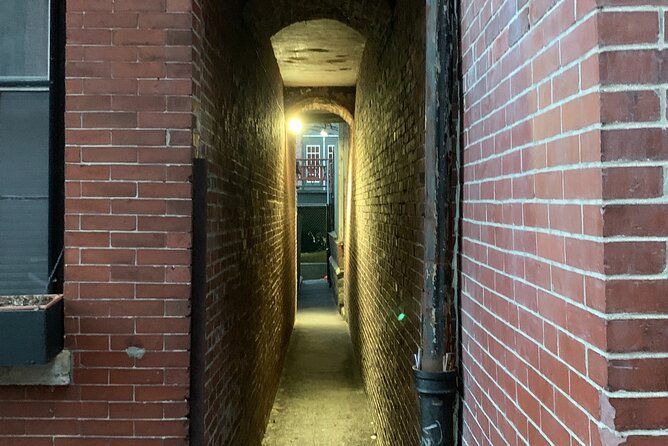
The next important stop is the former home of Lewis Hayden, described as a station master who helped save many runaways. The narration focuses on what happened at this Beacon Hill house and the courage required to take such action.
This is the kind of stop that benefits from audio. A plaque might give you a name and a date, but the narration supplies the human stakes. You hear how a private home could become part of a larger, concealed network.
The route does not turn these people into distant heroes without problems or fear. Its central subject is practical bravery: taking people in, making connections, and helping them move toward safety. That makes the story accessible even if you already know the broad outline of the Underground Railroad.
Leonard Grimes and the people behind the names
The route continues to a place once connected with Leonard Grimes, another conductor on the Underground Railroad. By this point, the pattern of the network becomes clearer. Different people filled different roles, and each address adds another link.
I appreciate that the route gives several individuals their own stops. You get more than one famous name, and the walk shows that the work depended on a community. The stops also help you picture the physical limits of the journey. You move through real streets rather than treating the Underground Railroad as a purely symbolic idea.
Because this is a walking tour, the narration cannot control your surroundings. Street noise, weather, or other activity may compete with the audio. Use headphones if that helps, but keep your attention on the pavement and on the app’s directions.
The Old Temperance Boarding House
The Old Temperance Boarding House was another stop on the Underground Railroad. The narration explains its place in the route and adds another type of setting to the story.
A boarding house could connect people who did not share a family home. That makes this stop useful for understanding how short-term shelter and movement might fit into the wider network. You are not simply visiting private residences. The route shows how different kinds of buildings could play a part.
This is also a good point to remember that the walk is not a museum tour with indoor exhibits. You mainly view sites from public streets while listening to the audio. If you need detailed interior access, this experience will not provide it.
The Phillips School and an important change in education
The old Phillips School site marks the first integrated school in Boston. The narration also explains that the school had the first African American teacher to teach at an integrated school.
This stop gives the tour a welcome shift in focus. The route is not only about escape and concealment. It also examines education and the institutions that shaped African American life in Boston.
For families, this can be one of the most useful sections. The idea of an integrated school is easy to connect to, and the story of the first African American teacher gives young listeners a clear human point of reference. The stop also shows how the city’s Black community pushed into public life through education, work, and civic action.
The Vilna Shul and Jewish assistance
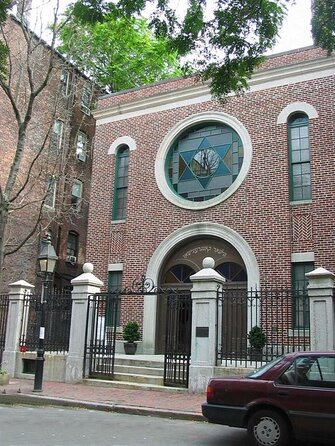
The walk passes the Vilna Shul, identified as Boston’s oldest immigrant synagogue. Here, the narration explains the role of the Jewish community in helping with the Underground Railroad.
This is a valuable part of the route because it widens the story beyond one community. The Underground Railroad depended on cooperation, and this stop shows how people from different backgrounds could assist the effort.
The Vilna Shul is also one of the route’s strongest visual landmarks. Even if you do not enter, the building gives you a concrete place to connect with the story. The audio helps you understand why this stop belongs in a walk about freedom and resistance.
John Coburn’s home and gaming house
The tour then reaches the former home and gaming house of John Coburn, who is described as another station master. The setting adds a less expected detail to the route.
A gaming house was not the sort of place most people first picture when they think about the Underground Railroad. That contrast makes the stop memorable. The narration shows that the network did not operate only through churches or quiet family homes. People used the places and connections available to them.
This is also a good example of why walking through Beacon Hill adds value. The streets let you connect a person’s work with the type of place he occupied. You get a sense of a neighborhood made up of homes, businesses, schools, and meeting places, all close enough to form a practical network.
Charles Sumner’s birthplace and the walk to Joy Street
The route includes the birthplace of abolitionist Charles Sumner. His inclusion adds a prominent public figure to a walk otherwise centered on local homes and community sites.
By this stage, you have heard about station masters, conductors, teachers, business owners, and community members. Sumner’s birthplace links those local stories to the larger abolitionist movement.
The final stretch leads you toward Joy Street and the African American Meeting House. The end point is not just a convenient finish. It gives the tour a strong place to pause and consider the people and institutions that made Boston’s freedom movement possible.
Ending at the African American Meeting House
The tour ends at 46 Joy Street, the African American Meeting House. It is described as the oldest extant Black church building in America.
That ending gives the walk a clear sense of purpose. You finish at a building tied directly to African American religious and civic life, after following a route through homes, schools, boarding houses, and community sites.
The tour does not include a live guide to answer questions at the end. You control how long you stay and what you do next. If you want a quiet moment to reflect, the self-guided format allows it. If you have another appointment, you can finish the narration and continue with your day.
How the app works, and where it can trip you up
The tour uses the WalknTours app with GPS-based location awareness. The narration plays as you reach the stops, and you can pause, rewind, or return to extra information. Pictures and walking directions are also part of the experience.
The main technical concern is activation. The instructions are available through the ticket’s View Ticket button, where you can find information about downloading the app and using the code. Save those instructions before arriving, and make sure your phone is ready to play audio.
The app’s arrow points toward the next stop, which should help if you lose the route. Even so, route-finding has not been perfect for everyone. Some people have found the directions easy, while others have lost their way or had trouble returning to the main narration after opening the extra material.
That makes this a better choice for someone comfortable with a phone-based activity. It is not difficult in principle, but you should be willing to manage an app while walking. If you have limited phone battery or unreliable mobile service, prepare carefully before setting out.
Price, timing, and who gets the best value
At $9.75 per person, this is an inexpensive way to spend about an hour in Beacon Hill. The value comes from the number of sites and the amount of narration packed into a short route, especially if you use the optional material about the people involved.
The private format also matters. Only your group participates, so you do not pay for a live guide while still getting a structured tour. You can begin and end when you want, and the listed operating hours run from midnight to 11:30 p.m. every day during the stated availability period.
The flexibility is useful for families, couples, and friends with tight schedules. You can also take it at night, as long as you are comfortable walking Beacon Hill after dark. One practical point: this is a real walking route with hills. Wear comfortable shoes, bring water, and consider the weather.
The tour is recommended by 90 percent of its listed audience and has a 4.6 rating from 29 ratings. Those figures suggest a strong experience overall, but they also show why you should take the app issue seriously. The content earns the praise, while the setup and route management are the weak spots.
Cancellation is free up to 24 hours before the scheduled start time. Within 24 hours, the cost is not refunded, and changes are not accepted.
Who should book this Beacon Hill audio walk
I would choose this tour if you want African American history tied to actual Boston addresses. It is especially useful for people who prefer to pause, rewind, take photos, or spend extra time at a stop instead of following a fixed group schedule.
Families can benefit from the varied voices, clear stories, and optional extra material. History-minded visitors will appreciate the range of people included, from Harriet Tubman and Charles Sumner to local station masters and teachers. The route also suits anyone who wants a short activity that fits around other Boston plans.
I would think twice if you want a live expert beside you. You cannot ask questions as you walk, and you need to solve app problems yourself. It may also be a poor fit if you dislike phone narration, have trouble walking uphill, or need the tour in a language other than English.
Should you book it?
Book this Beacon Hill tour if you want an affordable, independent walk that connects the Underground Railroad to homes, schools, religious buildings, and community spaces. The strongest reason to choose it is the combination of specific people and real locations, ending at the African American Meeting House.
Before booking, make sure every person in your group is comfortable using a phone app. Download WalknTours through the ticket instructions, locate the activation code, charge your phone, and wear good shoes. If you do that preparation, the $9.75 price buys a focused and moving hour of Boston history at your own pace.
FAQ
How long does the Beacon Hill Underground Railroad audio tour take?
The tour takes approximately 45 to 55 minutes, depending on your walking pace and how often you pause or use the additional material.
Where does the tour begin?
It begins at the Charles Street Meeting House, located at 70 Charles Street in Boston.
Where does the tour end?
The route ends at 46 Joy Street, at the African American Meeting House.
What is the African American Meeting House?
It is the oldest extant Black church building in America and serves as the final stop on the tour.
Is this a guided group tour?
No. It is a self-guided, private activity for your own group. The narration and directions are accessed through your phone.
What language is available?
The tour is offered in English.
Can I choose when to take the tour?
Yes. The tour is available every day during the listed operating period, from 12:00 a.m. to 11:30 p.m. You can begin and finish when you choose.
Is the tour suitable for most people?
Most travelers can participate, but the route includes a lot of walking and some hills. Comfortable shoes, water, and attention to the weather are wise.
Can I cancel for a full refund?
Yes, if you cancel at least 24 hours before the experience start time. Cancellations made within 24 hours are not refunded.
More self-guided tours in Boston
- Boston’s Freedom Trail: A Self-Guided Tour of All 16 Sites
★ 5.0 · 14 reviews - North End Boston Mafia Exploration Game and Tour
★ 4.0 · 9 reviews - Self-Guided Smartphone Ghost Walking Tour Boston App EMF Reader
★ 4.5 · 6 reviews - The Ghosts of Boston’s Past Haunted Self-guided Tour
★ 3.5 · 4 reviews
More audio tours in Boston
- Boston’s Freedom Trail: A Self-Guided Audio Tour
★ 4.0 · 18 reviews - Boston Harborwalk & Tea Party Self-Guided Walking Audio Tour
★ 5.0 · 17 reviews - Boston: City History and Highlights Audio App Walking Tour
★ 3.7 · 12 reviews - Boston Self-Guided Audio Tour Bundle: Freedom Trail & More
★ 4.5 · 5 reviews
Newest Boston tours we have written up
- Boston’s Freedom Trail: A Self-Guided Audio Tour★ 4.0 · 18 reviews
- Boston’s Freedom Trail: A Self-Guided Tour of All 16 Sites★ 5.0 · 14 reviews
- Washington D.C. Cherry Blossom,Baltimore 3-Day Tour from Boston★ 4.5 · 7 reviews
- Boston Self-Guided Audio Tour Bundle: Freedom Trail & More★ 4.5 · 5 reviews
- True Crime Tour of Boston★ 4.0 · 17 reviews
- Family Friendly Guided Bike Tour of Boston★ 4.5 · 22 reviews
- Freedom Trail Experience★ 5.0 · 8 reviews
- The Ghosts of Boston’s Past Haunted Self-guided Tour★ 3.5 · 4 reviews
Beacon Hill Tours, compared.

Downtown Freedom Trail, Beacon Hill & Back Bay Walking Tour
Read our review →
2-Hour Beacon Hill True Crime Expert Guided Tour
Read our review →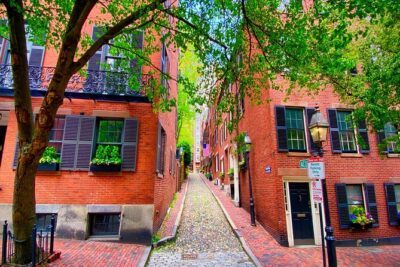
Beacon Hill Boston History + Photo Walking Tour (SMALL Group)
Read our review →
Underground Railroad History Tour of Beacon Hill
Read our review →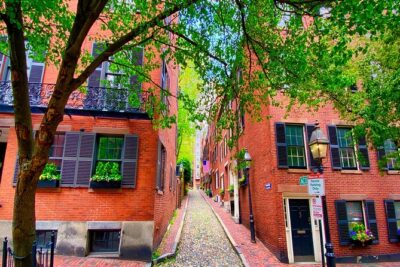
Beacon Hill + Back Bay History + Photo Walking Tour(SMALL Group)
Read our review →Underground Railroad History Tour of Beacon Hill
Read our review →
Browse the lists this tour appears in