
Review · BEACON HILL TOURS
Beacon Hill Boston History + Photo Walking Tour (SMALL Group)
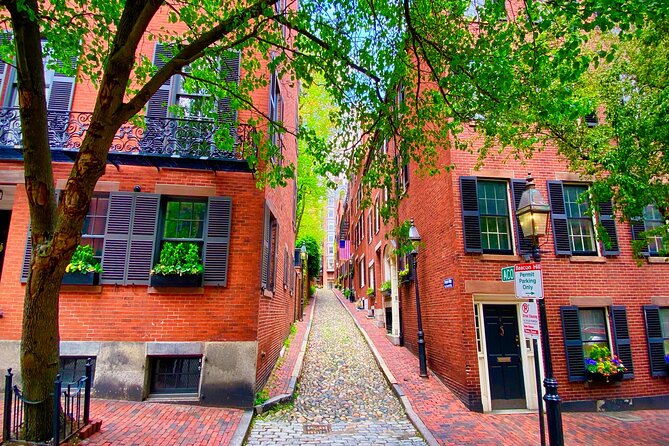
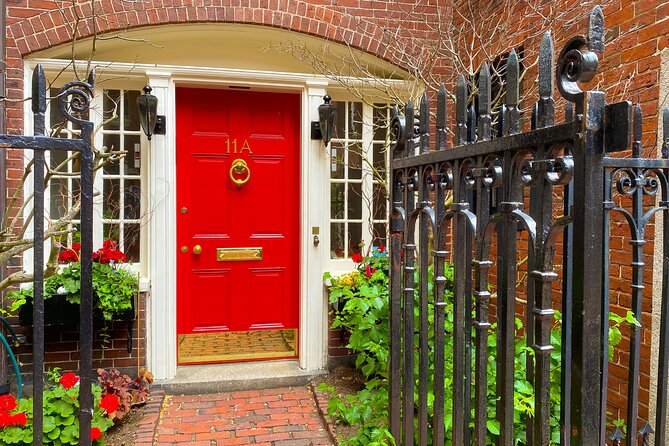
Beacon Hill is at its best when you slow down enough to notice the details: flower boxes, old door knockers, gas lamps, brick sidewalks, and the stories behind handsome townhouses. Saba Alhadi’s 90-minute small-group walk pairs those details with simple advice on angles, framing, and positioning, so you come away with better pictures as well as a better sense of the neighborhood.
I like the way this tour looks beyond the famous postcard view of Acorn Street, and I like that Saba may show historical photographs and point out places many people pass without noticing. The pace is relaxed, and the group size, capped at 15, leaves room for questions.
The main thing to understand is that this is a history walk with photo guidance, not a technical photography class. If you want detailed instruction on camera settings, you may find the photo advice too basic. Also, there are no restroom stops, and Beacon Hill’s brick and uneven surfaces require steady attention.
Key things to know before you book
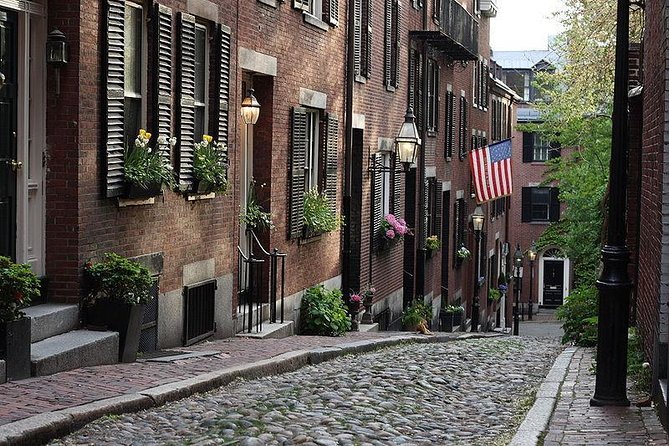
- Acorn Street is only one part of the walk: You also explore Louisburg Square, side streets, the Massachusetts State House, Boston Common, and other local sights.
- Saba Alhadi leads the tour: Her style mixes neighborhood stories with practical suggestions for using a phone or camera.
- The photography advice is casual and useful: Expect help with composition, angles, framing, and positioning rather than a formal camera workshop.
- The small group matters: With no more than 15 people, it is easier to hear the commentary, ask questions, and pause for pictures.
- Plan for an outdoor walk: There are no restroom stops, and hot weather, sun, brick sidewalks, and uneven spots can affect your comfort.
- The price is $45 per person: For a focused introduction to Beacon Hill with a guide, that is a fair price if you value stories and photo stops more than museum admission or advanced instruction.
Why Beacon Hill works so well for a photo walk
Beacon Hill gives you a lot to photograph in a compact area. Its narrow streets are lined with Federal-style and Greek Revival homes, antique gas lamps, iron details, colorful flowers, and doors that seem designed for close-up pictures.
The appeal is not only visual. This neighborhood has changed over time, from pastureland to one of Boston’s most sought-after residential districts. A good guide helps you see those changes instead of treating the area as a pretty backdrop.
That is where Saba’s approach fits. She draws attention to small features, including door hardware, architectural details, former homes, and the way Acorn Street changed from working-class housing to a highly prized address. She also uses photographs to help explain what buildings and streets looked like in earlier periods.
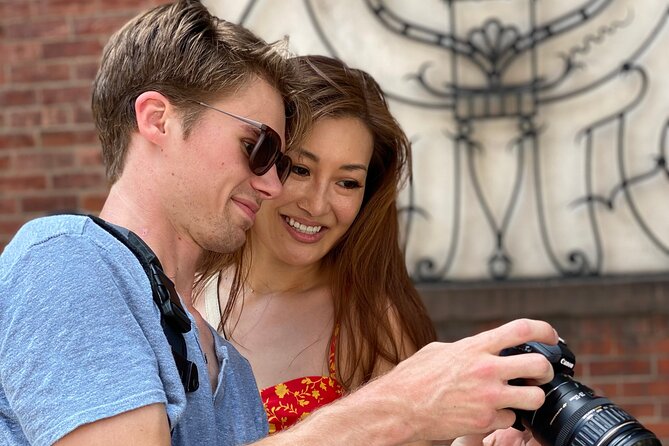
I would bring a phone or camera, but do not feel you need expensive equipment. The advice is aimed at ordinary picture-taking, and several people have found the composition tips useful with both phones and cameras. Saba has also taken group pictures on participants’ phones, which is handy if you want a photograph of everyone together.
More Beacon Hill tours
- Downtown Freedom Trail, Beacon Hill & Back Bay Walking Tour
★ 4.5 · 473 reviews - 2-Hour Beacon Hill True Crime Expert Guided Tour
★ 5.0 · 182 reviews - Boston: Underground Railroad History Tour of Beacon Hill
★ 5.0 · 141 reviews
Starting at 34 Beacon Street
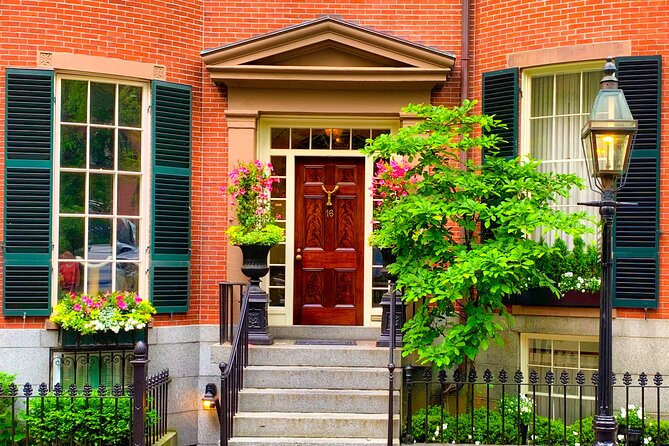
The meeting point is 34 Beacon Street, close to Boston’s central sights and public transportation. Arrive about 10 minutes early. You will want that small buffer because the tour begins on time and the group then moves through residential streets where catching up can be awkward.
The walk is designed to last about an hour and a half. That is long enough to cover several corners of Beacon Hill without turning into an exhausting half-day outing. The pace is described as casual, with time to stop, listen, and take pictures.
The neighborhood is more pleasant when you are not rushing. You may pause at a doorway, look closely at a lamp, or adjust your composition before moving on. That slower rhythm is one of the tour’s strengths, especially if you normally hurry through sightseeing and photograph everything from shoulder height.
Saba has led tours in the area for about 20 years, and her enthusiasm is an important part of the experience. The strongest response to her style centers on her warmth, attention to detail, and love of Beacon Hill. That does not mean every visitor will want the same balance of stories and photography, but it does tell you what kind of guide-led walk this is: personal, informal, and locally focused.
Acorn Street and the art of seeing familiar scenes
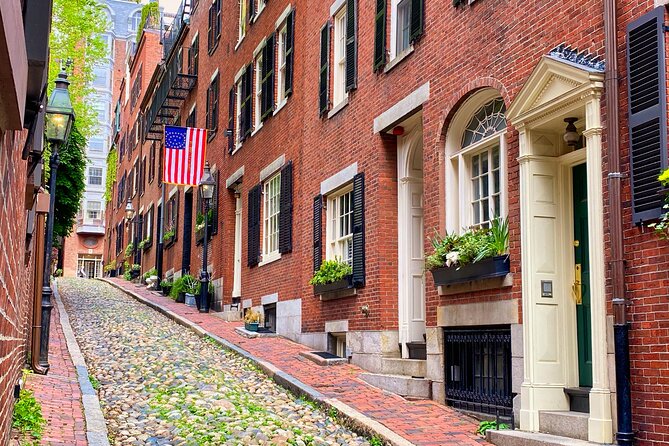
Acorn Street is the obvious photographic prize. Its narrow cobblestone surface, gas-lit lanterns, brick row houses, and flower boxes create the classic Beacon Hill image.
The stop itself is listed as about five minutes, but Acorn Street also appears within the wider Beacon Hill portion of the walk. You should expect a quick, focused opportunity rather than an extended photo session with a tripod and technical coaching.
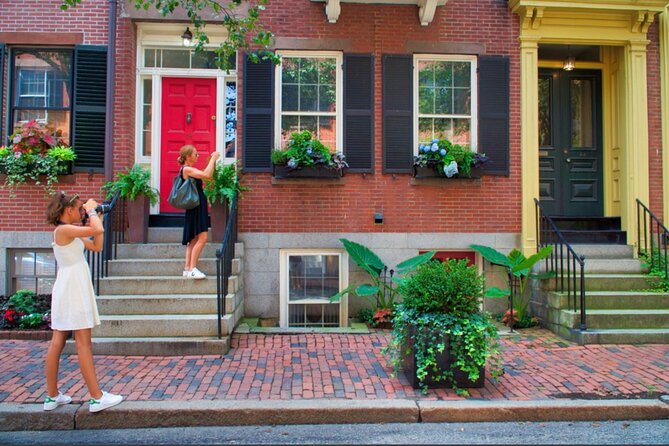
The useful lesson here is composition. Saba’s tips often concern where to stand, how to frame a doorway or street, and how to make a familiar view more interesting. That is basic advice, but it can make a real difference with a phone. A slight change in position can bring a lamp, flower box, and brick facade into a cleaner relationship.
Acorn Street can be busy with people taking pictures, so the small-group format helps. A guide can point out the best angles and keep the stop organized without leaving you to guess what deserves attention. Still, you should be considerate of residents. This is a living residential street, not a film set.
One unusual strength of the tour is its attention to change. You may learn how Acorn Street looked in the late 19th century and how its role shifted over time. That gives the famous view some social context, rather than presenting it as a frozen scene from the past.
Louisburg Square and Beacon Hill’s grander side
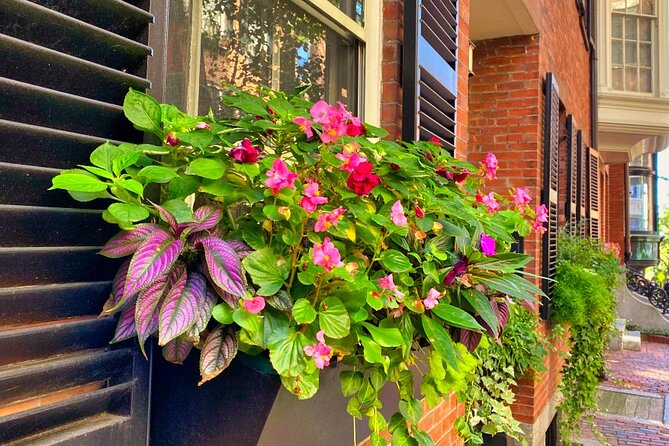
Louisburg Square offers a different mood. The square is known for elegant 19th-century townhouses, brick facades, decorative ironwork, and imposing entrances. The architecture reflects Federal and Greek Revival styles, giving you a chance to compare details with the narrower streets nearby.
This is a good place to practice looking at a whole facade before focusing on one small feature. Notice the shape of the entrance, the spacing of windows, the ironwork, and the way repeated townhouses create a formal setting.
The stop is short, about five minutes, so do not expect an in-depth architectural lecture on every building. The value comes from placing the square within the neighborhood’s social and architectural story. Beacon Hill is not only a collection of attractive homes. It also shows how Boston’s residential ideals, wealth, preservation efforts, and daily life have changed.
Saba’s commentary includes both past and present residents. The stories can range from famous names to more ordinary people who shaped the neighborhood. That wider focus is useful because Beacon Hill is easy to reduce to celebrity addresses and expensive real estate.
More photo tours in Boston
- Boston’s Architecture, History + Photo Walking Tour (SMALL Group)
★ 5.0 · 91 reviews - Beacon Hill + Back Bay History + Photo Walking Tour(SMALL Group)
★ 5.0 · 60 reviews - Boston’s North End History + Photo Walking Tour (SMALL Group)
★ 5.0 · 27 reviews - Boston: Private Walking Photography Tour
★ 3.3 · 10 reviews
The Massachusetts State House and the city beyond the homes
The Massachusetts State House is another brief stop. It was built in 1795 on land once owned by John Hancock, linking the neighborhood to the early political history of Massachusetts.
The stop lasts about five minutes and admission is not included because you are viewing the building from the outside as part of the walk. If you want a full interior visit, exhibits, or a longer political history lesson, you would need to plan that separately.
I like the contrast here. The walk moves from private residential streets to one of Boston’s major public buildings. That shift helps you understand Beacon Hill as part of the city rather than an isolated pretty quarter.
The tour also connects local buildings with notable figures such as John Hancock, Louisa May Alcott, and Nathaniel Hawthorne. The guide may use old photographs to make those connections easier to picture. This is especially helpful when a building looks ordinary from the sidewalk but once had a notable role.
Boston Common and the overlooked details
The itinerary includes Boston’s oldest public park, founded in 1630. The supplied route information does not give this stop a numbered position or a separate duration, so treat it as part of the broader route rather than a guaranteed long park visit.
Boston Common gives the walk a useful change of scale. After narrow streets and close architectural details, you reach one of the city’s major open public spaces. It adds civic context to a tour otherwise centered on residential Beacon Hill.
Another stop on the route is described as the first public botanical garden in America, founded in 1837. The supplied details do not name this stop or specify how long the group remains there. If this sight matters to your plans, confirm the exact route with the operator before booking.
That point is worth noting because the tour description includes several brief stops, but the main experience remains the Beacon Hill walk. You should book it for the neighborhood, its architecture, stories, and picture opportunities, not as a substitute for a full guided visit to every nearby attraction.
History beyond famous names
One of the more interesting aspects of the walk is its attention to Beacon Hill’s Black history and the lives of less famous residents. You may hear about a Black couple who fled north in disguise, the first home on Beacon Hill built by Black men, and the first racially integrated elementary school in the area.
The neighborhood also has a connection to the first kindergarten in America. These details broaden the story beyond wealthy homeowners and famous writers. They show that Beacon Hill has been shaped by work, education, race, migration, reform, and ordinary domestic life.
You may also hear how Beacon Hill changed from pastureland into an exclusive residential district, who first lived there, and which house is considered the oldest. Saba has used a photograph of a 1947 preservation protest to explain the fight to protect the brick sidewalks that help define the neighborhood today.
This is the kind of information that gives the walk lasting value. You can visit Beacon Hill alone and see the doors and lamps, but without context, you may miss why the brick paving matters or how the street’s social character changed.
What the photography guidance really includes
Set your expectations correctly. The tour teaches you how to make more appealing pictures while sightseeing. It does not promise a structured lesson in exposure, lenses, manual settings, or post-processing.
The most useful advice concerns:
- Choosing a better angle
- Finding a pleasing position
- Framing architectural details
- Using the street, lamps, and flowers as visual elements
- Making ordinary phone pictures feel less ordinary
- Finding scenes beyond the obvious postcard view
This suits beginners, casual phone photographers, and people who want a creative reason to slow down. It can also suit an experienced photographer who wants fresh locations and local stories. One experienced local photographer found spots he had not photographed before, which says something about the value of a guide who pays attention to less obvious corners.
It may not suit you if you are bringing advanced equipment and expect one-on-one instruction. A three-star assessment specifically objected to the limited amount of photography advice, while the guide clarified that the tour is not a photography workshop. The fair reading is simple: book this for photo opportunities and composition tips, not technical training.
Comfort, weather, and walking conditions
The tour requires a moderate level of physical fitness. You walk for about 90 minutes, mostly outdoors, and there are no restroom stops. Use a restroom before meeting the group.
Beacon Hill’s sidewalks are primarily brick, but some areas may feel uneven. Acorn Street itself has cobblestones. Watch your footing while photographing, especially when looking through a screen instead of at the pavement.
Weather can change the experience sharply. A cool, bright day should make the walk comfortable and bring out the color in the brick and flowers. A hot, humid day can be difficult because the route offers limited shade and much of the setting is brick and concrete.
The tour requires good weather. If poor conditions lead to cancellation, you are offered another date or a full refund. You can also cancel for a full refund up to 24 hours before the start time. Reconfirm your reservation at least 48 hours ahead by email or text, as requested by the operator.
Children must be accompanied by an adult, and service animals are allowed. The tour is offered in English and uses a mobile ticket.
Is $45 a fair price?
At $45 per person, this is not the cheapest way to walk around Beacon Hill, since the streets and public views cost nothing to enter. The price pays for the guide’s time, local stories, route planning, photo suggestions, and the chance to ask questions in a small group.
I consider that fair if you have limited time in Boston or want help seeing more than the famous street. A private tour would normally cost more, while a large group can make it harder to hear or stop for pictures. With a maximum of 15 people, this sits in a sensible middle ground.
The value is weaker if you already know Beacon Hill well, want a formal photography course, or prefer to explore alone with a guidebook. It is stronger for a first visit, a couple wanting better trip pictures, a family that likes stories, or a solo visitor who wants a friendly structure without committing to a long tour.
The experience is booked about 22 days in advance on average, so do not leave it until the last minute if your schedule is tight.
Who should book this Beacon Hill walk?
Book it if you want to:
- See Acorn Street and other photogenic corners without planning your own route
- Learn basic composition tips for a phone or camera
- Hear stories about residents, architecture, preservation, and social change
- Walk at a calm pace with time for questions
- Explore Beacon Hill in a group small enough to feel personal
- Have Saba take a group picture using your phone
Think twice if you need frequent restroom access, have trouble on brick or cobblestone surfaces, dislike outdoor walks in heat, or want advanced camera instruction. You should also be prepared for some topics and stops to receive only a few minutes of attention.
Should you book it?
I would book the Beacon Hill History and Photo Walking Tour if you want a friendly introduction to one of Boston’s most attractive neighborhoods and like the idea of learning to see better pictures in the process. The strongest reason to choose it is the combination of local storytelling and small visual details: a former home, an old photograph, a preserved sidewalk, a door knocker, or a street you might otherwise walk past.
Choose another experience if your main goal is a technical photography class or a full tour of the State House and botanical garden. For everyone else, $45 buys a focused, manageable walk led by Saba Alhadi, with enough history and practical photo guidance to make Beacon Hill more than a pretty backdrop.
FAQ
How long is the Beacon Hill photo walking tour?
The tour lasts approximately 1 hour and 30 minutes.
Where does the tour start and end?
It starts at 34 Beacon Street in Boston and ends on Charles Street.
How many people can join the tour?
The maximum group size is 15 people.
Is this a photography workshop?
No. It is a historical walking tour with casual photography guidance for people using a phone or camera. The advice focuses on angles, composition, framing, and positioning rather than advanced camera settings.
Are there restroom stops?
No. There are no restroom stops, so plan to use one before the tour begins.
What happens if bad weather cancels the tour?
Because the experience requires good weather, a cancellation caused by poor conditions gives you the option of a different date or a full refund.
More walking tours in Boston
- Harvard University Campus Guided Walking Tour
★ 4.5 · 3,632 reviews - Boston Freedom Trail Walking Tour with Costumed Guide
★ 4.5 · 2,531 reviews - The Full Revolutionary Story Epic Small Group Boston Walking Tour
★ 5.0 · 2,356 reviews - Boston’s Freedom Trail: A Revolutionary Walking Tour
★ 4.9 · 1,748 reviews
More history tours in Boston
- Boston: Freedom Trail History Small Group Walking Tour
★ 5.0 · 6,450 reviews - Tour of Historic Fenway Park, America’s Most Beloved Ballpark
★ 4.5 · 3,013 reviews - Boston Food & History: Pizza, North End & Freedom Trail
★ 5.0 · 1,772 reviews - Boston: City Cruises Historical Sightseeing Cruise
★ 4.6 · 1,771 reviews
Newest Boston tours we have written up
- Boston’s Freedom Trail: A Self-Guided Audio Tour★ 4.0 · 18 reviews
- Boston’s Freedom Trail: A Self-Guided Tour of All 16 Sites★ 5.0 · 14 reviews
- Washington D.C. Cherry Blossom,Baltimore 3-Day Tour from Boston★ 4.5 · 7 reviews
- Boston Self-Guided Audio Tour Bundle: Freedom Trail & More★ 4.5 · 5 reviews
- True Crime Tour of Boston★ 4.0 · 17 reviews
- Family Friendly Guided Bike Tour of Boston★ 4.5 · 22 reviews
- Freedom Trail Experience★ 5.0 · 8 reviews
- The Ghosts of Boston’s Past Haunted Self-guided Tour★ 3.5 · 4 reviews
Beacon Hill Tours, compared.
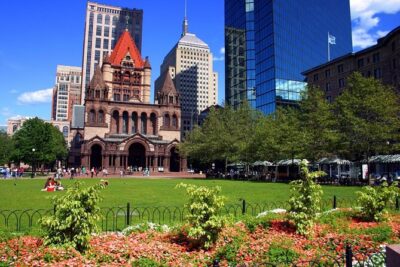
Downtown Freedom Trail, Beacon Hill & Back Bay Walking Tour
Read our review →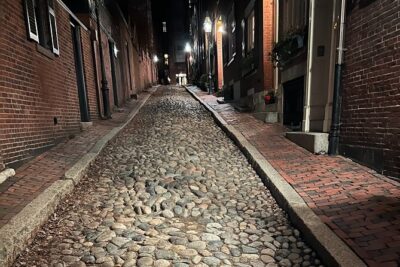
2-Hour Beacon Hill True Crime Expert Guided Tour
Read our review →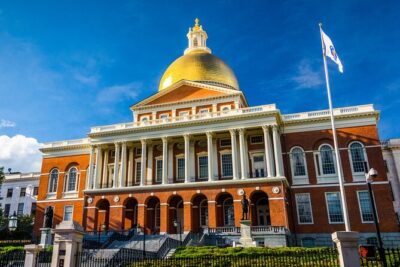
Underground Railroad History Tour of Beacon Hill
Read our review →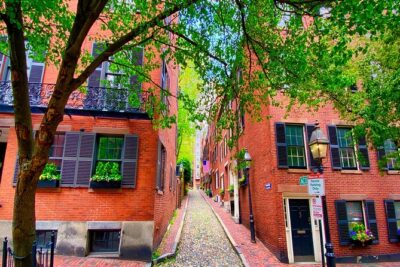
Beacon Hill + Back Bay History + Photo Walking Tour(SMALL Group)
Read our review →Underground Railroad History Tour of Beacon Hill
Read our review →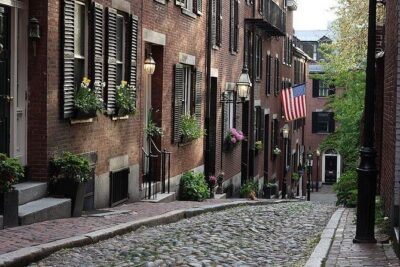
Self-Guided Boston’s Beacon Hill Underground Railroad Audio Tour Walking Tour
Read our review →
Browse the lists this tour appears in