
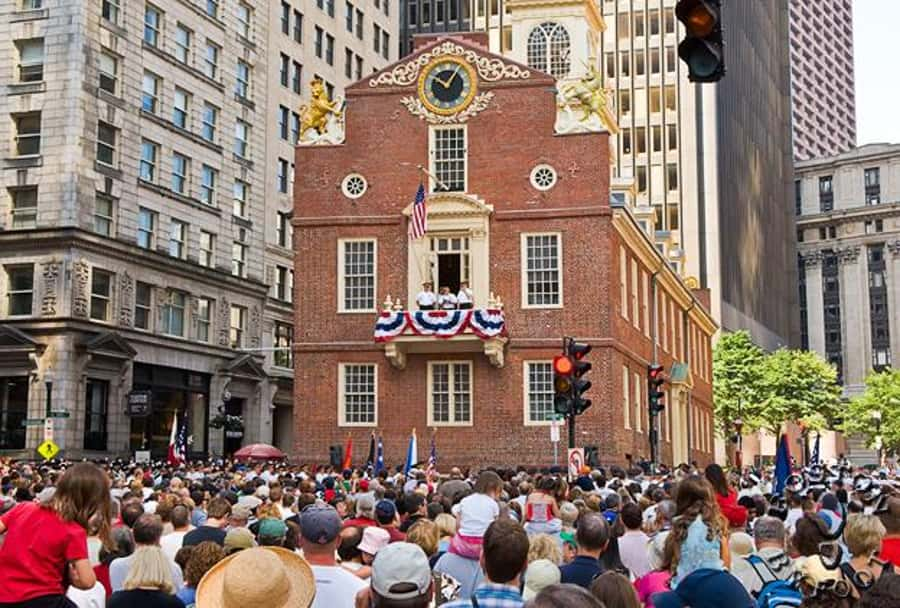
Review · BOSTON FREEDOM TRAIL TOURS
Freedom Trail: Small Group or Private 2 Hour Walking Tour
Boston’s Freedom Trail is more than a string of red-brick sites. It is the story of how arguments over taxes, trade, protest, and political power turned Boston into a center of rebellion. This two-hour walk puts those events in place, from the historic downtown to the North End, while asking you to judge the evidence for yourself.
I like the small private format, especially when you want to ask questions or set the pace. I also like the focus on lesser-known details, such as why Paul Revere made an effective messenger and how printed words and pictures stirred colonial anger. The main consideration is that two hours goes quickly, and a small group of up to two may not suit families or larger parties unless a private option is arranged.
Key points at a glance
- A focused two-hour route: Walk from Boston’s historic downtown toward the North End without committing to an all-day tour.
- Revolutionary stories with room for debate: Examine the Boston Tea Party and decide for yourself how the events of March 5, 1770, should be understood.
- Strong guide-led storytelling: Guides including Chad, Tressa, and John have been praised for clear explanations, humor, and the ability to bring events to life.
- Private attention for up to two people: The format is designed for a very small group, useful if you want to ask plenty of questions.
- A practical Freedom Trail introduction: See important buildings and sites connected with the years leading to the American Revolution.
- Easy planning: The walk is wheelchair accessible, offered in English, and allows cancellation up to 24 hours before departure for a full refund.
Why this Freedom Trail walk is worth your time
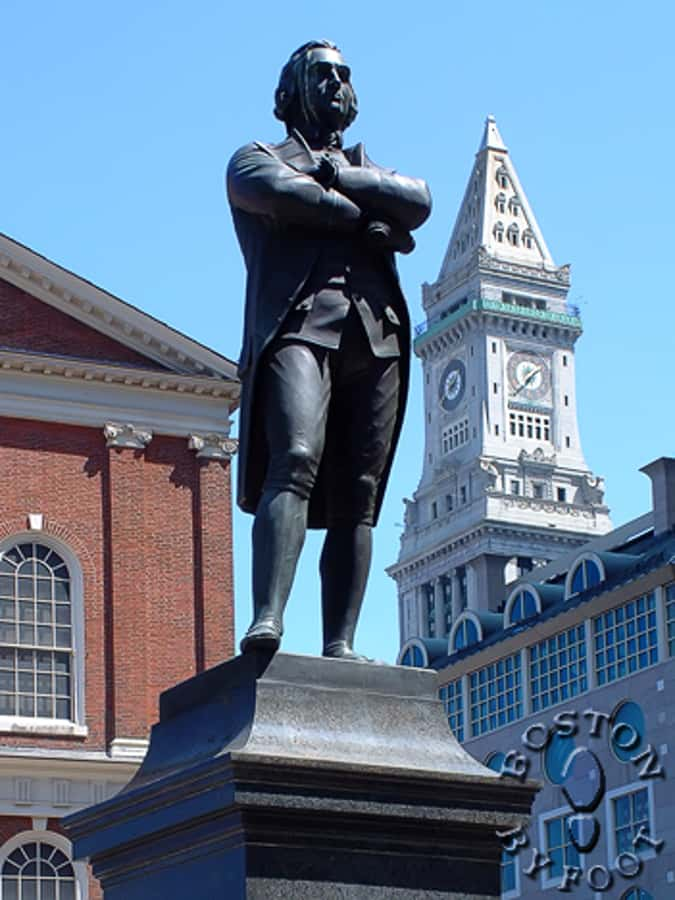
Many people first encounter Boston’s Freedom Trail as a list of famous stops. This tour takes a more useful approach. Instead of treating each building as an isolated monument, it links political arguments, public protest, trade, and communication into one story.
That matters because the American Revolution did not begin with a single dramatic moment. Boston became a center of resistance through years of tension in the 1760s and 1770s. You hear how economic pressure, social divisions, environmental change, and public debate reshaped the city and helped turn local disputes into a national crisis.
I especially like that the tour does not ask you to accept every familiar story at face value. The Boston Tea Party is presented with the details behind the event, while the March 5, 1770 confrontation is examined closely enough for you to consider if the label Boston Massacre truly fits.
The result should suit you if you enjoy history with questions attached. You are not simply shown where something happened. You are encouraged to think about who controlled the story, who paid the price, and how ordinary political arguments became a movement for independence.
More ways to walk the Freedom Trail
- Boston: Freedom Trail History Small Group Walking Tour
★ 5.0 · 6,450 reviews - Boston Freedom Trail Walking Tour with Costumed Guide
★ 4.5 · 2,531 reviews - Boston Food & History: Pizza, North End & Freedom Trail
★ 5.0 · 1,772 reviews
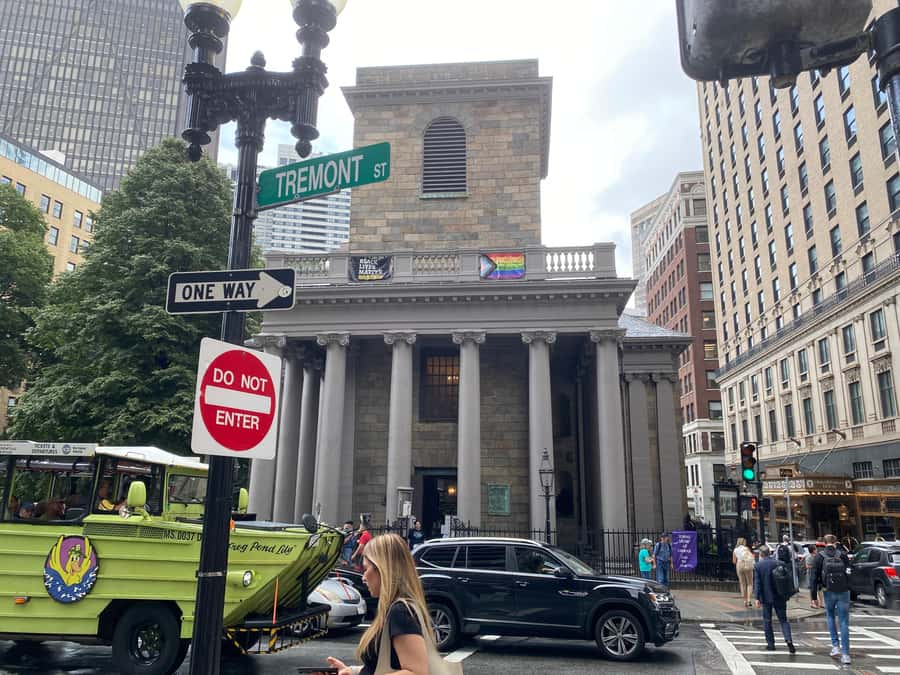
Starting near King’s Chapel and Boston’s historic core
The meeting point is at the corner of Tremont and Beacon streets, across from King’s Chapel. The starting information also identifies One Beacon Street as the tour’s starting location, so you should check the exact meeting instructions when booking and arrive at least 10 minutes early.
This part of Boston is a sensible place to begin. The streets around Beacon Hill and the historic downtown bring you close to the civic and religious centers that helped shape colonial Boston. Your guide uses the buildings and streets as evidence, giving you a physical sense of how close political power, public debate, commerce, and protest could be.
You will spend two hours walking through Boston’s downtown and North End, so comfortable shoes are important. The tour is wheelchair accessible, but the route is still an urban walking experience. Anyone who prefers a slower pace should use the private format to ask about timing before setting out.
The value of starting here is context. Before you reach the best-known Revolutionary sites, you begin to understand Boston as a working city with competing interests. That makes the later stories easier to follow. You are not just hearing that people were angry. You are learning what helped create that anger.
The Boston Tea Party beyond the familiar picture
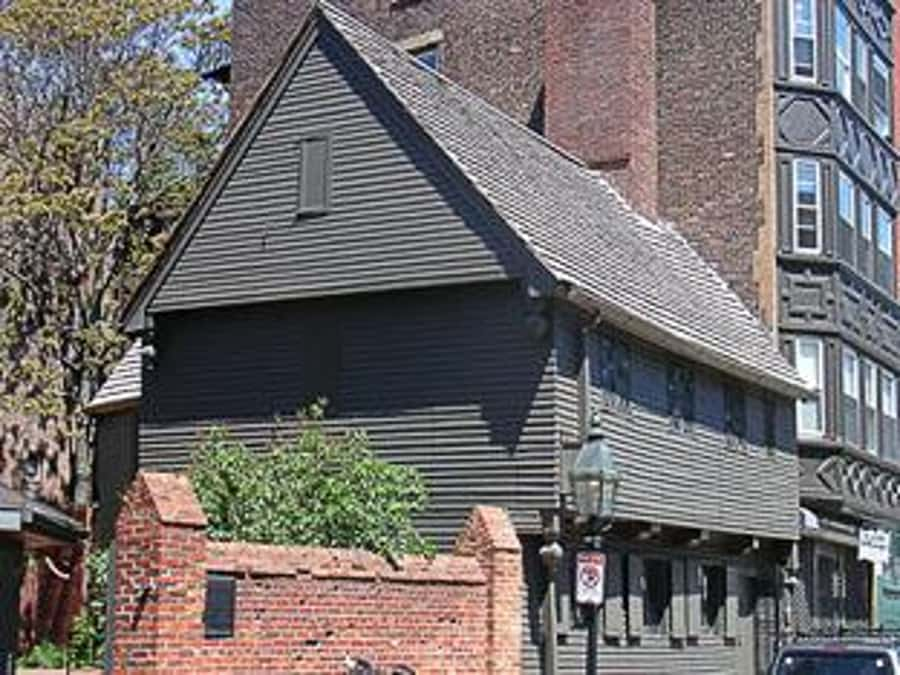
The Tea Party is often reduced to one memorable image: colonists dumping tea into Boston Harbor. This walk promises more detail behind the event, which is where the subject becomes useful.
You learn why tea became such a serious political issue and how colonial resistance worked as both protest and public performance. The point is not simply that people opposed a tax. The dispute raised larger questions about representation, trade, authority, and the rights of people living far from the British government.
A guide can also explain why the event carried such force beyond the night itself. Public acts of defiance had consequences, and Boston’s reputation as a center of resistance grew because people saw, repeated, and argued over what happened.
This is one of the tour’s strongest subjects for first-time visitors. You get a familiar story, but with enough background to understand why it mattered. If you already know the basic outline, the added political and social context should give you more to think about.
March 5, 1770 and the problem of the Boston Massacre
The tour asks you to decide for yourself if the event on March 5, 1770, was truly a massacre. That wording signals a useful historical approach. Names matter, and the name attached to an event can shape how people remember it.
Your guide explains what happened and why the incident became such a powerful piece of Revolutionary propaganda. You also learn how Boston’s presses used words and images to stir colonial emotion. In this setting, the event is not treated as a simple date to memorize. It becomes a lesson in public opinion and political messaging.
This is a valuable part of the walk because it shows how history is made in two ways. First, people experience an event. Then others describe, print, illustrate, and circulate it. Those descriptions can influence public anger just as strongly as the original incident.
The subject may be uncomfortable, and the tour does not appear designed to turn it into a quick heroic tale. That is a strength for anyone who wants a more careful account. Families with younger children may want to decide in advance how much detail is appropriate, since no age guidance is provided.
More walking tours in Boston
- Harvard University Campus Guided Walking Tour
★ 4.5 · 3,632 reviews - The Full Revolutionary Story Epic Small Group Boston Walking Tour
★ 5.0 · 2,356 reviews - Boston’s Freedom Trail: A Revolutionary Walking Tour
★ 4.9 · 1,748 reviews - Boston: Freedom Trail History Small Group Walking Tour
★ 4.9 · 1,590 reviews
Paul Revere, printing, and the power of a message
Paul Revere is often remembered for his midnight ride, but this tour looks at why he was such an effective messenger. That wider view makes sense. A messenger needs more than courage. He needs speed, connections, credibility, and a clear way to spread information.
The walk also considers Boston’s presses and the role of printed material in shaping public feeling. You see how words and images helped turn local events into shared political arguments. In an age before modern mass communication, a printed account could travel widely and give a protest a lasting public shape.
I like this focus because it connects the physical walking route with the larger question of communication. The Revolution was fought with weapons, but it was also fought with stories. A newspaper, image, speech, or warning could change how people understood an event.
Your guide’s ability matters here. The strongest feedback about this tour points to guides who explain clearly and use humor without losing the thread of the story. John was praised for explaining what happened, where it happened, and when, while Chad and Tressa were singled out for making the material engaging and easy to follow. Specific guides are not guaranteed, but those names give you an idea of the style to expect: informed, conversational, and story-focused.
Walking into the North End
The route finishes at Copps Hill Terrace, after moving through Boston’s historic downtown and North End. The North End gives the tour a different feel from the formal civic spaces near the start. It is closely tied to the city’s long urban story and provides a fitting setting for a walk that moves through changing eras.
You should not expect an interior museum visit or a long stop at every major Freedom Trail building. The experience is a guided outdoor walk, and its strength is the connections made between sites. You see places of importance while listening to the events and personalities that gave them meaning.
Ending at Copps Hill Terrace also helps you plan the rest of your day. You finish in or near the North End rather than returning to the starting point. That is useful if you want to continue exploring the neighborhood afterward, though you should arrange your next stop around the final location rather than assuming you will end near One Beacon Street.
The route’s main limitation is its pace. Two hours is enough for a focused introduction, but not enough to examine every building, museum, or Revolutionary-era story in Boston. You get a carefully chosen path, not a complete city tour.
What the $20 price means
At $20 per person, this is a modest price for a two-hour guided walk, particularly if you value interpretation rather than simply following the Freedom Trail on your own. The cost pays for a guide who can explain why the sites matter and help you connect separate events.
The value is strongest for first-time visitors and history fans. A self-guided walk costs less, but it also leaves you to sort out dates, names, and competing versions of events. Here, you can ask questions and get an explanation while standing in the setting where the story unfolded.
The pricing needs a little care because the experience is described as a private walk designed for groups of up to two, with a private group option also available. If you are booking for more than two people, confirm how the group arrangement and final price work before paying.
A recent rating of 4.1 from five reviews suggests a generally positive experience, but it is too small a sample to treat as a guarantee. Four reviews gave the tour five stars, praising the guides and the storytelling. One one-star review reported arriving without finding anyone and not taking part. That makes the practical details important: arrive early, use the stated meeting point, and make sure you have the current departure information.
The guide makes the difference
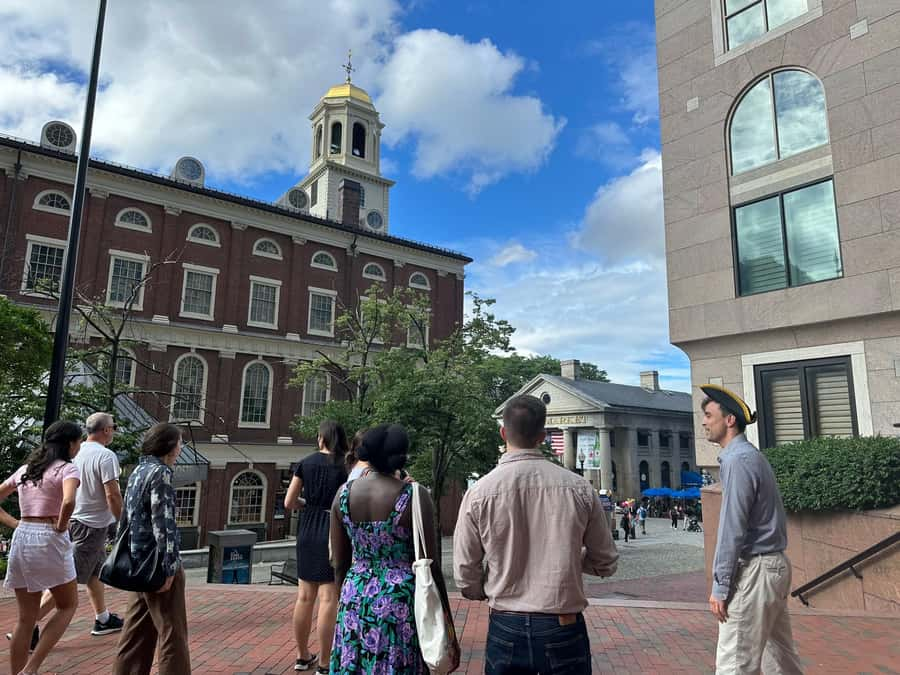
History walks depend heavily on the person leading them. The route itself is fixed, but the quality of the explanation can change the experience from a pleasant stroll into a memorable lesson.
The strongest praise here centers on three things. Guides are described as friendly, clear, and able to bring stories to life. John was especially praised for combining a sense of humor with precise explanations of what happened and where. Tressa was described as warm and well informed, while Chad was credited with making the tour a strong way to see and learn about Boston.
That combination should suit you if you like history explained in plain language. You do not need to arrive as a specialist. The tour is intended for both history fans and people who only know the broad outline of the Revolution.
A private group can also make the guide more useful. You can ask why one event mattered more than another, request clarification about a term, or slow down if a point deserves more attention. With a larger public group, questions may be harder to fit into the schedule.
Who should book this walk
I would choose this tour if you want a short, structured introduction to Boston’s Revolutionary story. It is especially useful on a first visit, when you want to understand the Freedom Trail before exploring more sites independently.
It should also work well for:
- Couples or pairs who want a private experience
- History fans who enjoy competing interpretations
- Visitors who prefer outdoor learning to a museum-only visit
- People who want the Tea Party, Boston Massacre, Paul Revere, and colonial printing placed in one connected story
- Anyone who likes asking questions rather than reading signs alone
You may want a different option if you need a full-day tour, extensive interior visits, or a route designed for a large family or group. The two-hour format is focused, and the information provided does not promise entry to buildings or museums.
The English-only format is another point to consider. If you need a tour in another language, this is not the right match. On the other hand, the route is wheelchair accessible, which makes it more practical for many visitors than an informal walk with unclear access.
Small details that make the day easier
Arrive 10 minutes before the scheduled departure. The meeting area is at Tremont and Beacon streets, across from King’s Chapel, while One Beacon Street is listed as the starting location. Confirm the exact instructions so you are not searching the wrong corner at the last moment.
The walk lasts two hours, and starting times vary by availability. Since the tour ends at Copps Hill Terrace, plan your next activity from the North End rather than from the starting point.
You can reserve now and pay later, which helps if your Boston plans are still shifting. Cancellation is free up to 24 hours before departure for a full refund. Those terms are useful in a city where weather, transport, and changing plans can affect a walking day.
Should you book the Freedom Trail tour?
Book it if you want the Freedom Trail explained through cause and effect, not just named landmarks. The best parts are the questions it raises about the Tea Party, the March 5 confrontation, Paul Revere’s role, and the influence of Boston’s presses.
At $20 per person, the tour offers good value for a focused two-hour introduction, especially when you are paired with a strong guide. Just confirm the meeting details, arrive early, and remember that the route covers a lot of ground without promising interior visits.
I would recommend it most to couples, serious history fans, and first-time Boston visitors who want a private conversation with a guide. If you are looking for a broad sightseeing tour or have a larger party, check the group arrangements before booking.
FAQ
How long is the Freedom Trail walking tour?
The tour lasts two hours.
Where does the tour meet?
The meeting point is at the corner of Tremont and Beacon streets, across from King’s Chapel. One Beacon Street is also listed as the starting location, so confirm the exact instructions when booking.
Where does the tour finish?
The walk finishes at Copps Hill Terrace.
Is the tour private?
The experience is designed for groups of up to two, and a private group option is available.
What language is the tour offered in?
The live tour guide speaks English, and English is the listed tour language.
Can I cancel the booking?
Yes. You can cancel up to 24 hours before departure for a full refund. You can also reserve now and pay later.
More 2-Hour Experiences in Boston
- 2-Hour Beacon Hill True Crime Expert Guided Tour
★ 5.0 · 182 reviews - 2 Hour North End ‘Little Italy’ Walking Tour
★ 4.5 · 125 reviews - Boston: 2-Hour Historic Walking Tour
★ 4.7 · 88 reviews - 2 Hour Boston Segway Tour
★ 5.0 · 77 reviews
Newest Boston tours we have written up
- Boston’s Freedom Trail: A Self-Guided Audio Tour★ 4.0 · 18 reviews
- Boston’s Freedom Trail: A Self-Guided Tour of All 16 Sites★ 5.0 · 14 reviews
- Washington D.C. Cherry Blossom,Baltimore 3-Day Tour from Boston★ 4.5 · 7 reviews
- Boston Self-Guided Audio Tour Bundle: Freedom Trail & More★ 4.5 · 5 reviews
- True Crime Tour of Boston★ 4.0 · 17 reviews
- Family Friendly Guided Bike Tour of Boston★ 4.5 · 22 reviews
- Freedom Trail Experience★ 5.0 · 8 reviews
- Self-Guided Audio Tour of Boston North End★ 4.5 · 3 reviews
Boston Freedom Trail Tours, compared.

Freedom Trail History Small Group Walking Tour
Read our review →
Boston Freedom Trail Walking Tour with Costumed Guide
Read our review →
Boston Food & History: Pizza, North End & Freedom Trail
Read our review →
Boston’s Freedom Trail: A Revolutionary Walking Tour
Read our review →Freedom Trail History Small Group Walking Tour
Read our review →Boston’s Freedom Trail: A Revolutionary Walking Tour
Read our review →
Boston Freedom Trail History Pub Crawl Small-Group Tour
Read our review →Browse the lists this tour appears in